
food · Articles
Kombucha and Gut-Friendly Drinks
Kombucha and Gut-Friendly Drinks
 Transact Shopping
FOOD & DRINK · GLOBAL
Kombucha and Gut-Friendly Drinks
What kombucha is, the evidence, alcohol and sugar, and who should be careful
Fermented soft drinks have moved from health shops to supermarkets, and the claims around them are ahead of the research in a fairly specific way.
What kombucha is
Sweetened tea fermented with a culture of bacteria and yeast. The fermentation consumes most of the sugar and produces organic acids, carbonation, trace alcohol and live cultures in unpasteurised versions.
Pasteurised versions on a shelf contain no live cultures, which matters if that is why you are drinking it.
The evidence
Laboratory and animal studies are numerous and human trials are few and small. Claims about digestion, immunity and detoxification are not established by good human evidence.
It is a pleasant low-sugar drink with some live cultures. That is a reasonable thing to buy and a long way from the marketing.
Alcohol
Fermentation produces alcohol, and commercial products are kept below the legal threshold for a soft drink. Home-brewed and some unpasteurised products can contain more, and levels rise if a bottle warms.
That matters for anyone avoiding alcohol entirely, in pregnancy, or for religious or recovery reasons.
Sugar and teeth
Check the sugar per 100ml rather than per bottle. These drinks are acidic, and acidity erodes enamel regardless of sugar, so drink with a meal rather than sipping all day.
Who should be careful
Anyone immunocompromised, pregnant or with a serious illness should avoid unpasteurised fermented products, and home-brewed kombucha in particular, since contamination is possible.
Start with a small amount, since a sudden increase in fermented foods commonly causes bloating.
Making your own
Home fermentation is cheap and requires real hygiene. Use proper equipment, keep everything clean, monitor the pH and discard anything that smells wrong or grows unexpected mould.
Bottles can build dangerous pressure if left to ferment sealed at room temperature. Use bottles rated for pressure and refrigerate to slow fermentation.
Reading the label
Check sugar per 100ml, whether it is pasteurised, and whether any live culture count is stated.
Where these fit
As a replacement for sugary soft drinks, they are a clear improvement. As a health intervention, the evidence does not support much. Buying them because you enjoy them is the honest reason.
Work out the cost per litre against making a jug of fruit-infused water, which costs almost nothing.
Sugar and teeth
Acidity erodes enamel regardless of sugar content, so drink these with a meal rather than sipping through the day. Do not brush immediately afterwards — wait an hour, since brushing softened enamel removes it.
Plain water between drinks helps a great deal.
Prebiotic drinks
Added fibres such as inulin feed gut bacteria and cause wind in some people. Fibre from food is better evidenced and cheaper.
WHERE TO BUY
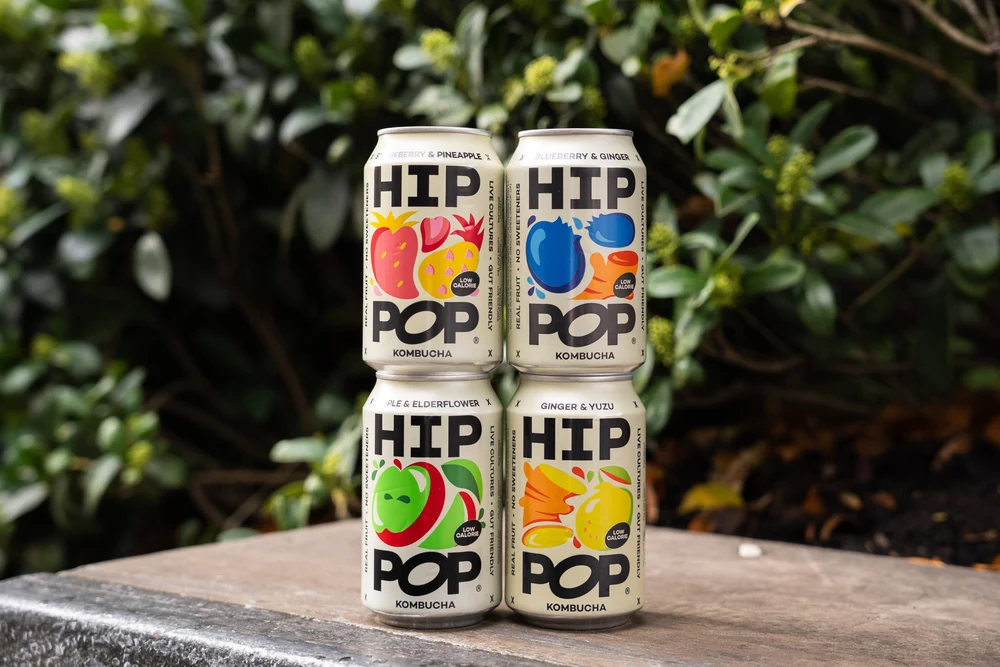
Ready to shop Hip Pop? Use the link below to visit the official store.
→ Shop Hip Pop — official site
Visit this site