
clothing · Articles
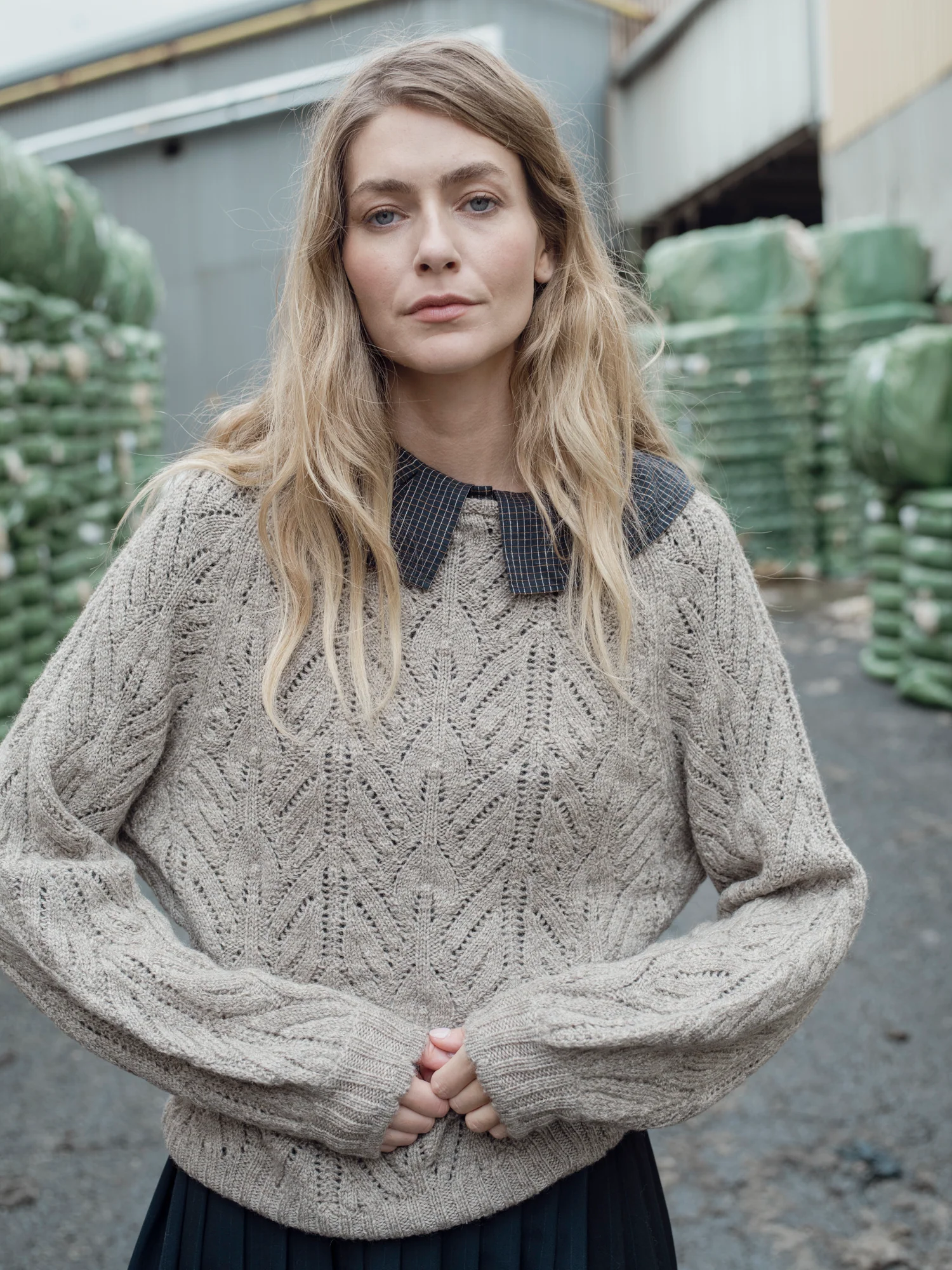
British Wool and Traceable Knitwear
British Wool and Traceable Knitwear
 Transact Shopping
FASHION · GLOBAL
British Wool and Traceable Knitwear
Why provenance matters, breeds and wool types, judging a garment and care
Wool sold as British is a small proportion of what is knitted, and the reasons for that are worth understanding before paying more for it.
Why most wool travels
Most fine knitwear uses merino from Australia and New Zealand, scoured and spun elsewhere, because British fleece is generally coarser and the processing infrastructure here shrank considerably.
A genuinely British garment means the fleece, the scouring, the spinning and the knitting all happened here, which very few can claim. Ask which stages are included.
Breeds and character
Bluefaced Leicester gives a fine lustrous yarn. Shetland is light, warm and hard-wearing. Herdwick and Swaledale are coarse and extremely durable, traditionally for rugs and outerwear.
Coarser wool is not lower quality — it is a different material suited to different jobs, and it softens with wear.
What to look for
Fully fashioned knitting, where panels are shaped on the machine rather than cut from a sheet, which wastes less and holds its shape. Linked seams rather than overlocked ones.
Check the composition and the weight in grams, and look at the ribbing, which should recover when stretched.
Traceability claims
Ask for the specific farm, region or a certification scheme rather than general language. British Wool operates an auction and certification system, and a garment naming the flock is telling you something checkable.
Care
Air rather than wash after most wears. Hand wash or a wool cycle, cool, with a wool detergent and never biological detergent, which digests protein fibres. Dry flat away from heat.
Fold rather than hang, store clean and sealed against moths, and remove pills with a fabric shaver.
Moths
Larvae eat protein fibres and are attracted to skin oils and food residue rather than to clean wool. Store knitwear clean in sealed boxes, vacuum wardrobes, and freeze an affected item for a few days to kill eggs.
Check stored knitwear periodically rather than discovering the damage in October.
Repairing
Darning a hole takes minutes and is a visible repair that many people now prefer. Several brands offer a repair service, which is worth asking about before buying.
Buying sensibly
Knitwear is cheapest in end-of-season sales and most expensive in autumn. Buy a second of anything that fits particularly well, since makers revise patterns quietly.
Second-hand wool is excellent value, since a good jumper outlasts several owners.
Wool and the environment
Wool is renewable, biodegradable and long lasting, and farming it has its own impacts. Keeping a garment for a decade matters more than the fibre, which is true of every material.
Check whether a brand takes garments back at the end of their life.
Cost per wear
A jumper worn weekly for ten years costs very little per wear, and wool is repairable.
WHERE TO BUY
Ready to shop HERD? Use the link below to visit the official store.
→ Shop HERD — official site
Visit this site