
other · Articles
Handball Kit and Staying Injury Free
Handball Kit and Staying Injury Free
 Transact Shopping
SPORT · GLOBAL
Handball Kit and Staying Injury Free
Ball sizes and resin, shoes and grip, protective kit and knee injuries
Handball is fast, physical and hard on the knees and shoulders, which shapes both the kit and the preparation.
Ball sizes
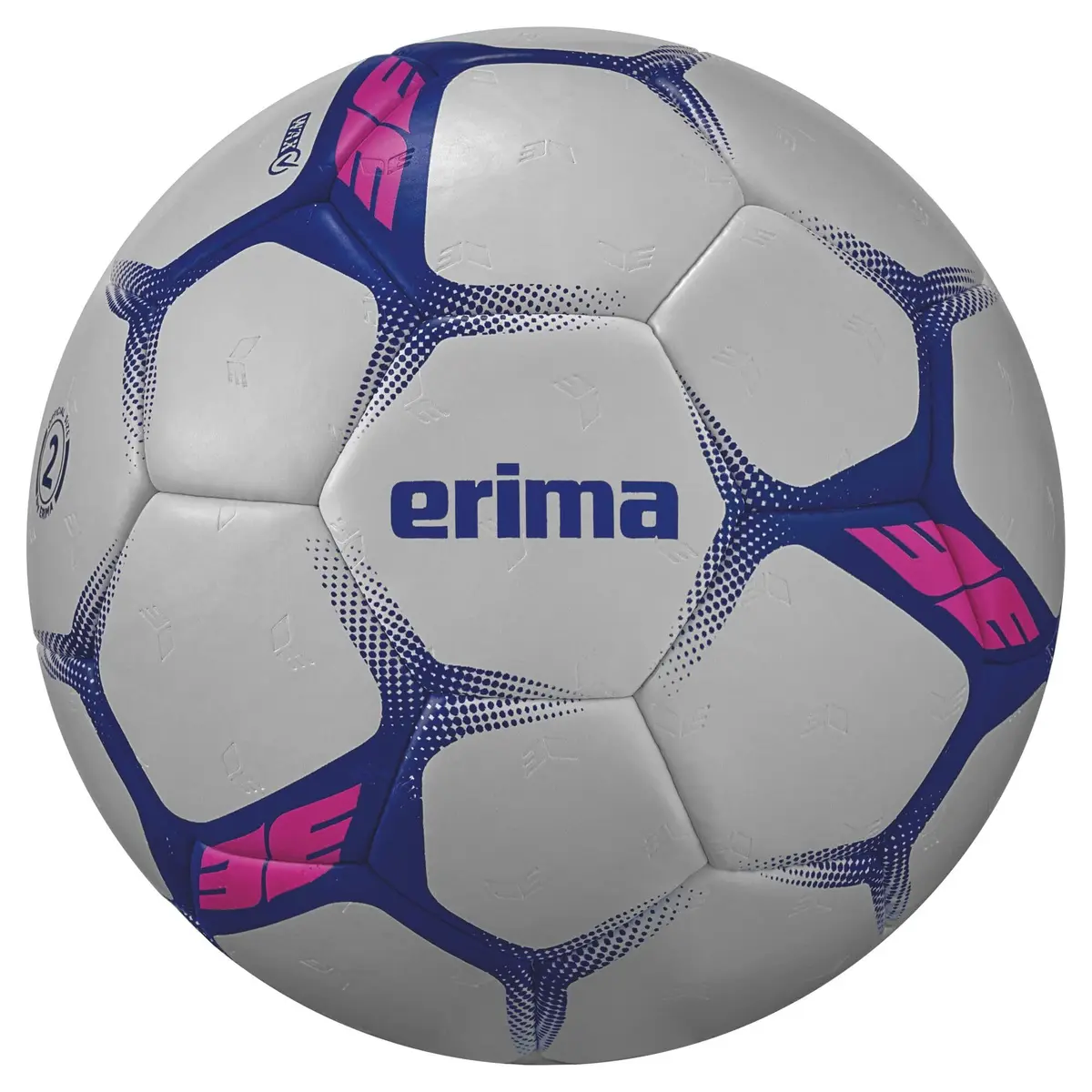
Sizes are set by age and category — size 1 for younger children, size 2 for women and older juniors, size 3 for men. Using a ball that is too large teaches poor technique and strains growing wrists and shoulders.
Check the surface, since training balls and match balls grip differently.
Resin
Widely used and widely banned. Many halls prohibit it because it marks floors and walls, and clubs have switched to resin-free balls or water-based products. Check the rules before turning up with a tin.
Remove resin from hands and kit promptly, since it hardens and is difficult to shift later.
Shoes
Indoor court shoes with a gum sole for grip on a sprung floor, a wide stable base and reinforced sides. Running shoes give no lateral support and are how ankles are sprained.
Most venues require non-marking soles.
Knees and shoulders
Cruciate ligament injuries are common in handball, particularly among women, and structured prevention programmes have good evidence for reducing them. Ask your club about warm-up protocols such as the widely used injury prevention routines.
Shoulder pain in throwing athletes needs proper assessment rather than resting and hoping.
Protection
Knee pads for court dives, ankle supports if you have a history of sprains, and a mouthguard, which protects teeth and jaw.
Kit and clothing
Technical fabrics rather than cotton, since handball is played hard indoors. Shorts with a proper fit and no long drawstrings that catch, and shirts that allow full overhead movement.
Check club rules on numbers and colours before ordering anything printed.
Goalkeeping
Long sleeves and padded trousers for court burns, and proper shoes with lateral support. Some keepers wear a face guard, which is worth considering for juniors.
Warming up properly
Ten to fifteen minutes including running, changes of direction, jumps and throwing before playing hard. Handball starts explosively, and cold muscles are where hamstring and calf injuries happen.
Structured prevention programmes take ten minutes and have good evidence behind them — ask your club to use one.
Juniors
Size the ball and the court to the age group, limit throwing volume for growing shoulders, and treat persistent pain as a reason to see a physiotherapist rather than to push through.
Buying kit
Check the ball size and the shoe sole requirement with your club before buying anything, since both are frequently specified. Entry-level equipment is entirely adequate while you learn.
Buy a second pair of shoes only once you know which fit you.
Kit care
Wash after every session, air shoes and empty the bag.
WHERE TO BUY
Ready to shop Handball Store? Use the link below to visit the official store.
→ Shop Handball Store — official site
Visit this site