
sports · Articles
Hockey Equipment and Protection
Hockey Equipment and Protection
 Transact Shopping
SPORT · GLOBAL
Hockey Equipment and Protection
Sticks and bow shapes, mandatory protection, goalkeeping kit and looking after it
Hockey equipment is chosen on position and level, and some of it is compulsory for good reason.
Stick length and weight
Stick length is based on height, traditionally reaching to around the hip bone. A stick that is too long makes low ball control difficult, which is where the game is played.
Lighter sticks are easier to move quickly; heavier ones hit harder. Most players are better served by control than by power.
Bow and composition
The bow is the curve along the shaft. A standard or mid bow suits most players and all-round play. Low bow and extreme late bow shapes suit aerial skills and drag flicks and are harder to control for beginners.
Higher carbon content means more power and less forgiveness on a mistimed hit. Beginners generally do better with more fibreglass.
Protection is not optional
A mouthguard and shin pads are compulsory in most leagues and at all junior levels, and gum shields protect teeth and jaw. A custom or well-fitted boil-and-bite guard is worn; an uncomfortable one is not.
Face masks are required for defending short corners in many competitions, and hand protection is standard for anyone playing indoor or in the circle.
Goalkeeping
Full kit — helmet to the relevant standard, chest protection, leg guards, kickers, gloves and abdominal protection. Never let anyone go in goal in partial kit, including in training.
Footwear
Hockey shoes are built for lateral movement on artificial surfaces. Running shoes provide no lateral support and are how ankles are injured.
Juniors
Size the stick by height rather than age, and replace it as they grow, since an oversized stick prevents technique developing. Check what your club and league require for protection.
Warm up properly, particularly the hamstrings and lower back, since the game is played in a bent position.
Sticks and maintenance
Check the stick for cracks and splintering at the head and along the shaft at the start of each season, since a failing composite stick can break under load. Replace the grip when it hardens.
Store sticks somewhere dry rather than in a car boot through winter, and never lean heavy objects against them.
Playing surfaces
Water-based and sand-dressed pitches play differently and wear shoes at different rates. Check what surface your club plays on before buying footwear.
Kit bags and hygiene
Empty the bag after every session and dry everything, since pads and gloves left sealed in a bag are where smells and skin infections start. Wash what can be washed and air the rest.
Cover any cut or graze before playing, and do not share water bottles or towels.
Care
Rinse sticks and kit after wet games, dry fully, and check for cracks in the stick and wear in pads at the start of each season.
WHERE TO BUY
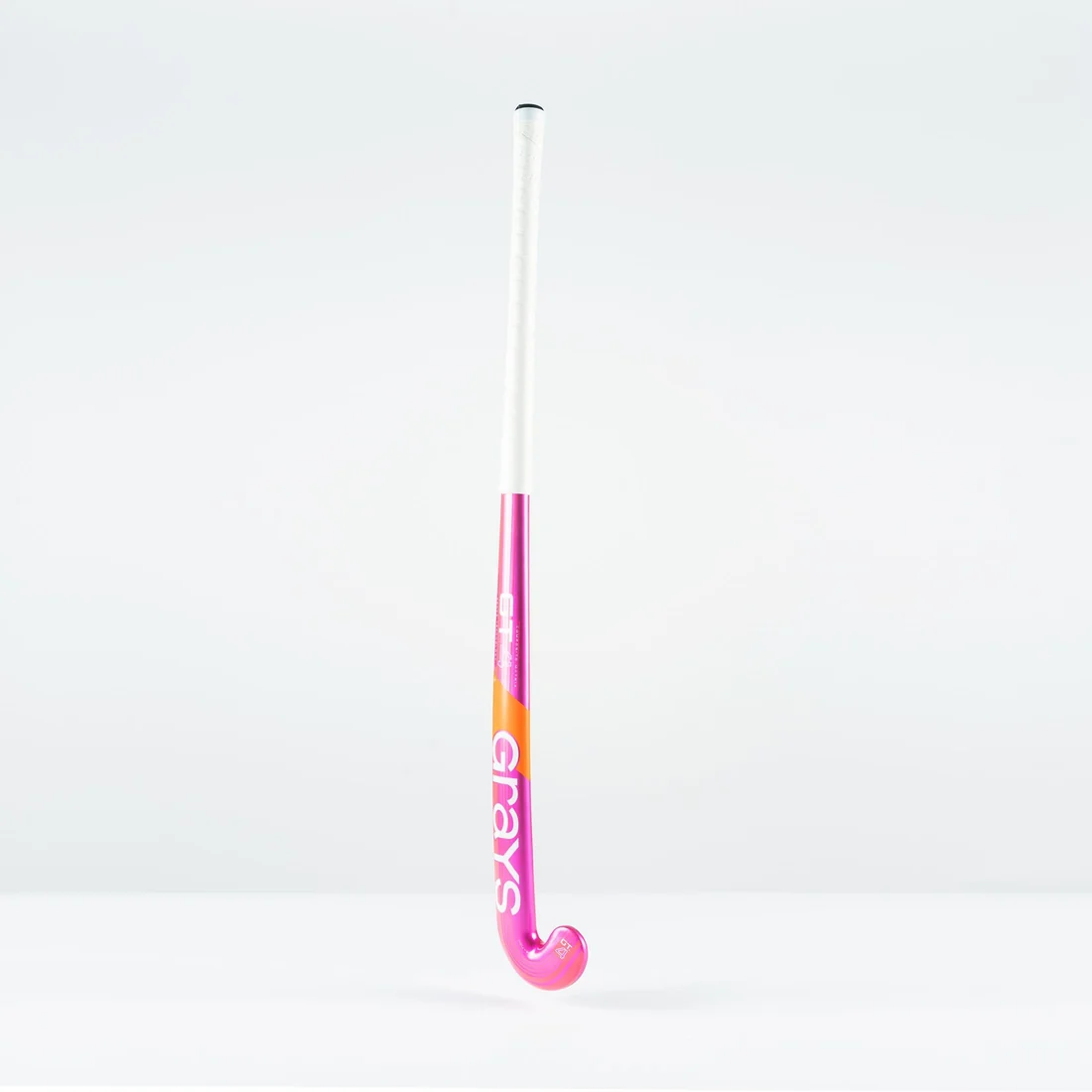
Ready to shop Grays Hockey? Use the link below to visit the official store.
→ Shop Grays Hockey — official site
Visit this site