
sports · Articles
Cricket Equipment and Safety
Cricket Equipment and Safety
 Transact Shopping
SPORT · GLOBAL
Cricket Equipment and Safety
Choosing a bat, knocking in, protective equipment and the neck guard question
Cricket equipment is chosen on feel and on safety standards, and one category of protection has changed substantially in recent years for good reason.
Choosing a bat
Weight and pick-up matter more than grade. A bat that feels light in the hands is one you can play late with, and most amateurs use bats that are too heavy.
Willow grade describes cosmetic appearance and grain rather than performance. A lower grade with good pick-up outperforms a beautiful bat that is too heavy.
Size by height for juniors rather than age, since the bat must not be too long to control.
Knocking in
New bats need compressing with a mallet over several hours, working the edges and the toe, then gradual use with old balls. Skipping it is how new bats crack in the first innings.
Many bats are pre-prepared and still need finishing. Check what the maker recommends.
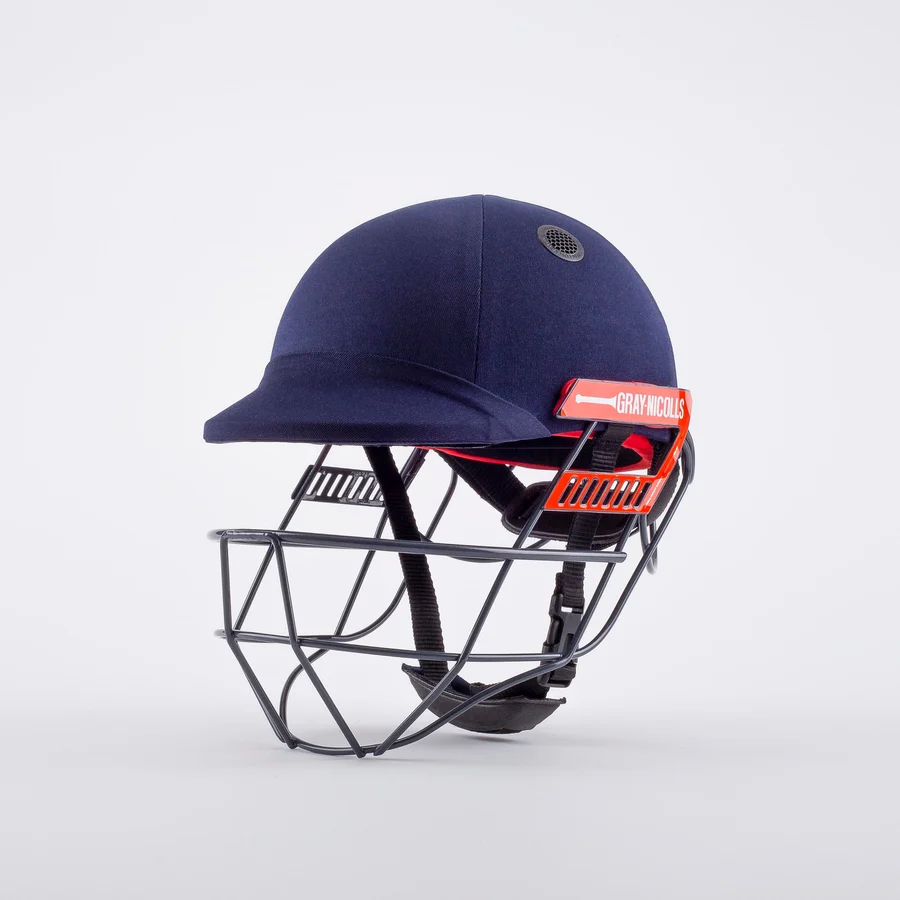
Helmets are the critical item
Buy one meeting the current British Standard, with the gap between the peak and the grille small enough that a ball cannot pass through. Adjustable grilles must be set correctly.
Replace any helmet that has taken a significant impact, and note that helmets have a stated lifespan.
Neck protectors
Attachments protecting the back of the neck are now mandatory at many levels and strongly recommended everywhere. They exist because of fatal injuries and are not optional equipment.
The rest of the kit
Pads, gloves, a box and an abdominal guard are needed by anyone batting or keeping wicket. Thigh and arm guards for faster bowling.
Juniors
Size the bat, pads and gloves properly, since equipment that is too big prevents technique developing and is genuinely unsafe. Helmets must fit the head now rather than being bought to grow into over a season.
Check what your club and league require, since junior helmet and neck protector rules are now explicit in most competitions.
Playing safely
Warm up properly, particularly shoulders for bowling, and follow bowling workload limits for young players, which exist because of stress fractures.
Balls and nets
Use appropriate balls for the age group and the surface, since a hard ball in an unsuitable setting is how injuries happen. Nets and cages should be checked for holes and gaps before a session starts.
Everyone facing a hard ball needs a helmet, including in the practice nets, where a large share of amateur head injuries occur.
Care
Oil the bat lightly, store it away from extreme heat and damp, and check it carefully for cracks at the end of each season.
WHERE TO BUY
Ready to shop Gray-Nicolls? Use the link below to visit the official store.
→ Shop Gray-Nicolls — official site
Visit this site