
auto · Articles
Motorcycle Helmets and Protective Clothing
Motorcycle Helmets and Protective Clothing
 Transact Shopping
AUTOMOTIVE · GLOBAL
Motorcycle Helmets and Protective Clothing
Standards and ratings, fit, armour levels and replacing kit
Motorcycle protective equipment is regulated and rated, and the ratings tell you considerably more than the price does.
Helmet standards
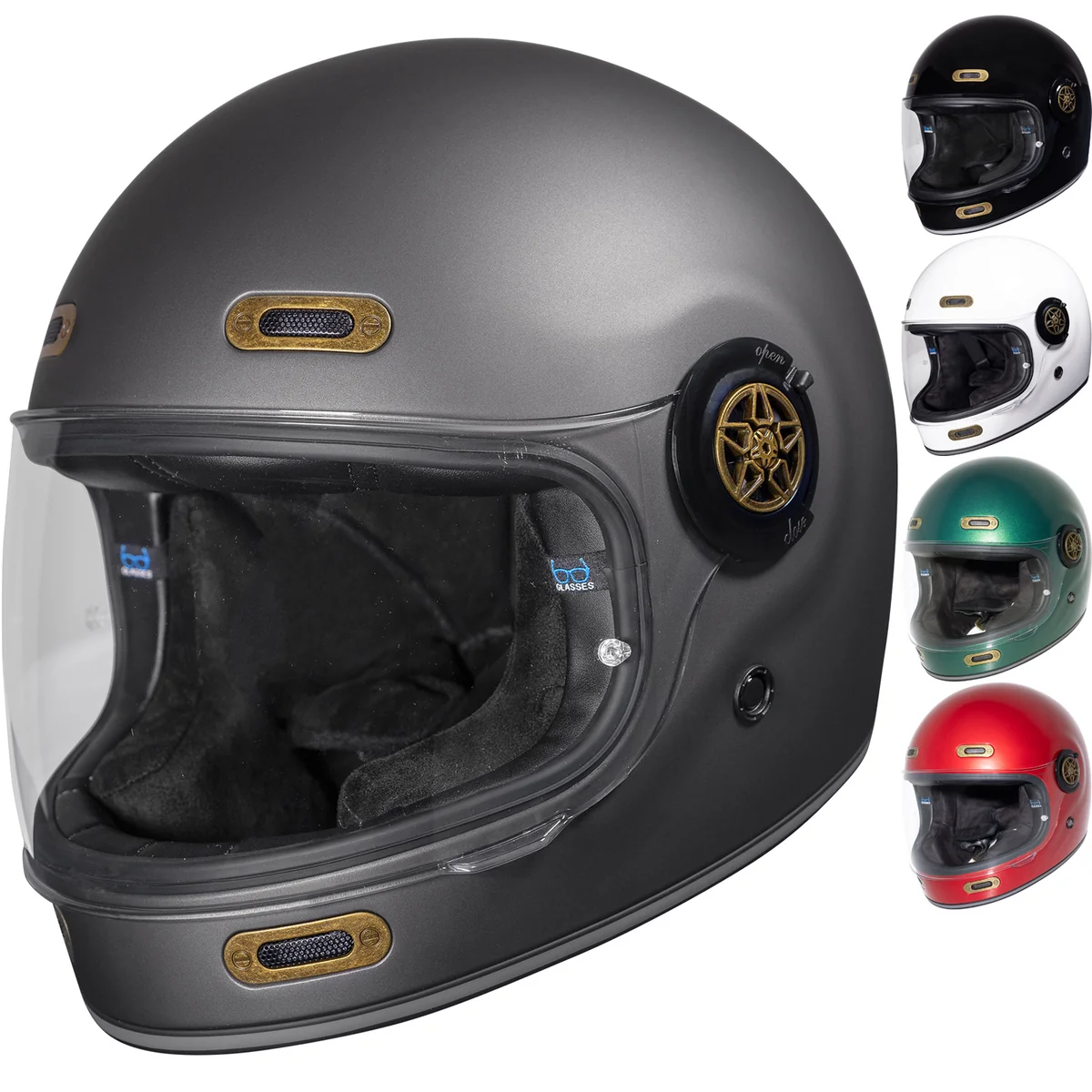
In Europe, helmets must meet ECE 22.06, which is a tougher standard than the earlier 22.05 and includes rotational impact testing. In the UK, the SHARP scheme additionally star-rates helmets independently.
A helmet meeting the standard is legal; a highly rated one performed better in testing. Both are worth checking.
Fit matters more than brand
Measure the head circumference just above the eyebrows, and try the helmet on for at least ten minutes. It should be snug with no pressure points, and the cheek pads should press the cheeks.
Head shapes differ — round, intermediate oval, long oval — and a helmet that fits your shape is more comfortable than a more expensive one that does not. Grip the helmet and try to rotate it: the skin should move with it.
Clothing and armour
Motorcycle clothing sold in Europe is personal protective equipment and must be certified. Garments carry a class rating, and armour is rated Level 1 or Level 2, with Level 2 absorbing more energy.
Check whether back protection is included, since many jackets ship with a foam placeholder rather than certified armour.
Where people economise wrongly
Gloves and boots. Hands go out in a fall and ankles take the machine's weight, and these are exactly where cheap kit fails.
Replacing
Replace a helmet after any meaningful impact, since the liner crushes once, and generally every five years regardless as materials degrade. Note the manufacture date inside.
Visibility and weather
Bright or reflective kit is genuinely effective, since the most common collision involves a driver not seeing a motorcycle. Reflective panels work in headlights where fluorescent colours do nothing.
Waterproof layers, winter gloves and a visor treatment for rain change how safe a wet ride is.
Buying used
Never buy a used helmet, since the impact history is exactly what matters and is invisible. Used textiles and boots are a reasonable buy provided the armour is present and undamaged.
Layering under kit
A base layer that moves moisture, a mid layer for warmth and the outer shell. Cotton next to the skin holds sweat and chills you at the first stop.
Earplugs matter more than riders expect, since wind noise at road speeds causes permanent hearing damage over a few years.
Check kit fits over the layers you actually ride in, since a jacket that fits over a t-shirt may not over a jumper.
Visors and care
Clean with warm soapy water only, since solvents and household cleaners craze the plastic. Replace scratched visors rather than living with them, since glare at night is dangerous.
WHERE TO BUY
Ready to shop GhostBikes? Use the link below to visit the official store.
→ Shop GhostBikes — official site
Visit this site