
health · Articles
Natural Oral Care and the Fluoride Question
Natural Oral Care and the Fluoride Question
 Transact Shopping
HEALTH · GLOBAL
Natural Oral Care and the Fluoride Question
What fluoride does, what natural pastes contain, and making an informed choice
Natural oral care products are popular, and one ingredient decision within them has more evidence behind it than anything else on the shelf.
Fluoride has strong evidence
Fluoride toothpaste is among the best-evidenced interventions in preventive health. It strengthens enamel and reduces decay substantially, which is why dental bodies worldwide recommend it.
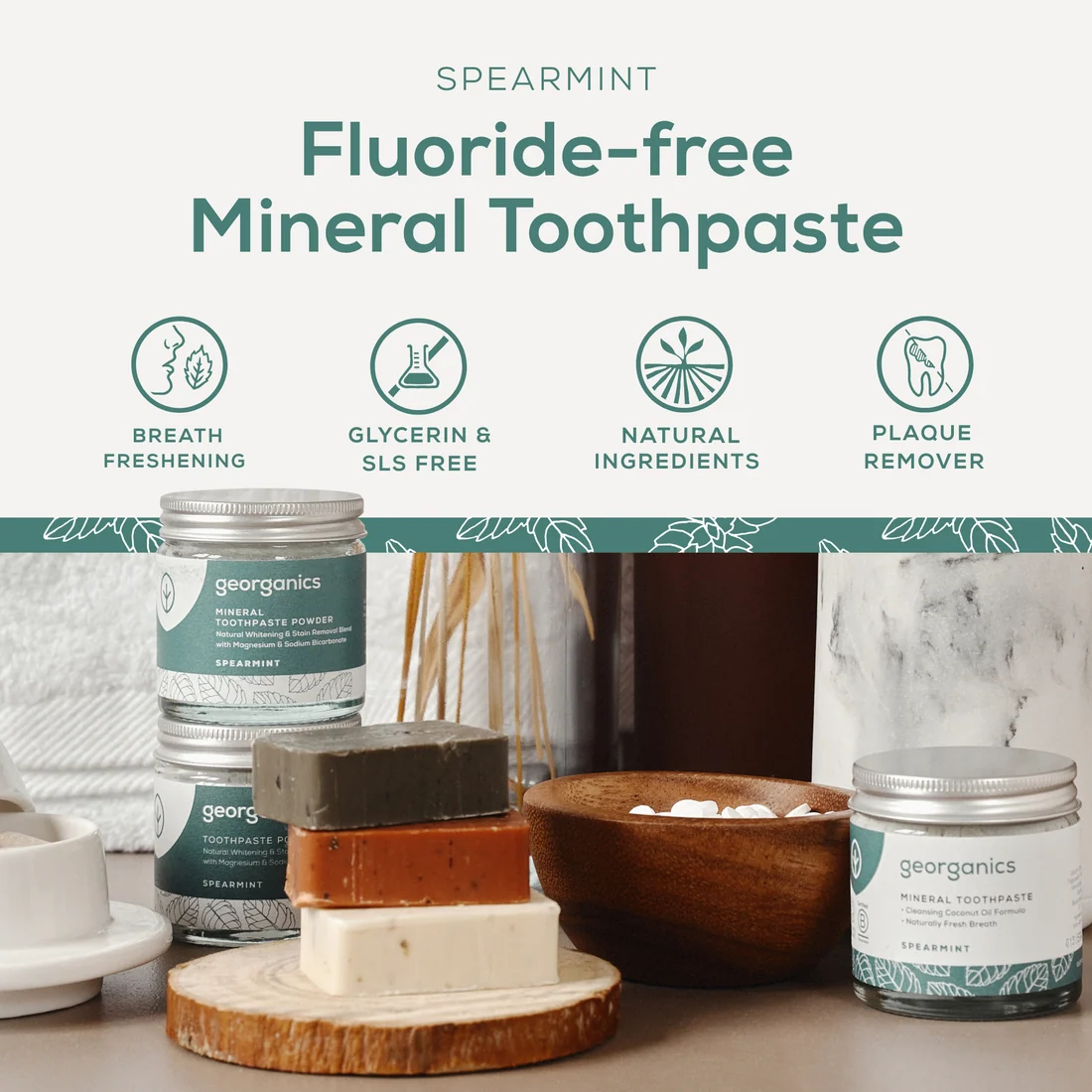
Many natural toothpastes contain no fluoride. That is a legitimate product and it is not equivalent, and the difference is meaningful for anyone at risk of decay.
If you choose fluoride-free, discuss it with your dentist, particularly for children, who benefit most.
Hydroxyapatite
The main studied alternative, and a component of enamel itself. There is a growing body of research suggesting it performs comparably in some studies, mostly from a small number of countries.
The evidence base is considerably smaller than for fluoride, which is the honest position rather than a dismissal.
Charcoal
Abrasive, with no evidence for whitening beyond removing surface stain, and dental organisations have warned about enamel wear. It also contains no fluoride.
Enamel does not grow back.
Oil pulling
Pleasant and traditional. Evidence for a benefit over ordinary brushing is weak, and it should not replace brushing.
What actually matters
Brushing twice daily for two minutes, spitting rather than rinsing so fluoride stays on the teeth, cleaning between teeth daily, limiting sugar frequency rather than only quantity, and seeing a dentist regularly.
The frequency of sugar matters more than the total, since each exposure acidifies the mouth for a period.
Toothbrushes
Electric brushes have better evidence for plaque removal than manual ones, particularly oscillating-rotating designs. A soft brush used properly beats a hard one used carelessly, which damages gums.
Replace heads every three months and after any illness, and never share a brush.
Mouthwash
Use mouthwash at a different time of day from brushing, since rinsing straight afterwards washes the fluoride off the teeth. Alcohol-free formulations suit dry mouths better.
Whitening
Only a dentist or a suitably qualified professional may legally carry out tooth whitening above a low peroxide concentration in the UK. Salons offering it are operating outside the law and there have been real injuries.
Whitening toothpastes remove surface staining rather than changing the underlying tooth colour.
Diet and teeth
Acidic drinks erode enamel regardless of sugar. Drink them with a meal rather than sipping all day, and wait about an hour before brushing afterwards.
Children
Use a toothpaste with the fluoride level appropriate for their age group, supervise brushing until around seven, and do not let them swallow the paste.
WHERE TO BUY
Ready to shop Georganics? Use the link below to visit the official store.
→ Shop Georganics — official site
Visit this site