
sports · Articles
Fitting Out a Small Boat
Fitting Out a Small Boat
 Transact Shopping
SPORT · GLOBAL
Fitting Out a Small Boat
Safety equipment first, autopilots and instruments, power and checks before leaving
Boat equipment is bought in the order people find interesting, and the order that matters is safety first, then navigation, then comfort.
Safety equipment comes first
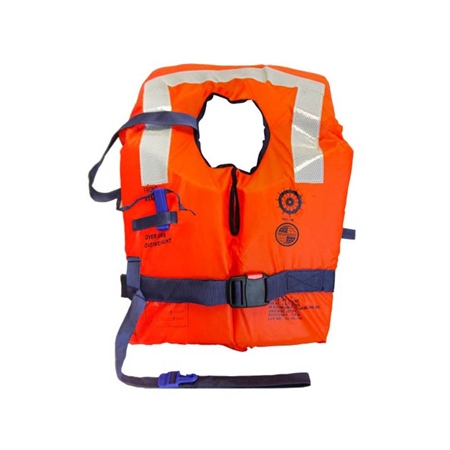
Lifejackets for everyone aboard, correctly sized and serviced, with crotch straps and lights. A VHF radio with DSC, registered with an MMSI number, and someone aboard who can use it.
Flares or an electronic alternative, a first aid kit, a bilge pump, a means of getting back aboard, and a way of calling for help that does not depend on a phone.
Tell someone ashore your plan and your expected return.
Autopilots
A tiller pilot holds a course and frees your hands, which genuinely reduces fatigue on a long passage single-handed. It steers a compass course rather than keeping a lookout.
Maintaining a proper lookout at all times is a legal requirement under the collision regulations, and an autopilot does not change that.
Instruments
Depth, speed and wind in that order of usefulness. Chartplotters are excellent and fail, so carry paper charts and know how to use them.
Power
Work out consumption in amp hours against usable battery capacity, remembering lead acid should not be discharged below about half. Instruments, autopilot and navigation lights add up over a night passage.
Before leaving
Check the forecast, the tides and your escape options. Fuel, water, engine checks and seacocks. Wind against tide produces conditions far worse than either alone.
Maintenance and corrosion
Salt water attacks everything. Rinse deck gear and electronics with fresh water, check anodes each season, and keep electrical connections protected and greased.
Check standing rigging, sheets and halyards for wear before each season, since these fail under load and at the worst moment.
Charts and updates
Keep electronic charts updated and carry paper backups with the tidal information for your area. Note that buoyage, depths and wreck positions all change over time.
Lifejackets specifically
Automatic lifejackets need annual servicing — the gas cylinder weighed, the firing head checked and the bladder tested for leaks. An unserviced jacket frequently does not inflate, which is the one time it matters.
Fit them properly, with the crotch strap done up, since an unsecured jacket rides up over the head in the water.
Cold water
Falling into cold water causes an involuntary gasp and rapid breathing that nobody can control. Float on your back until it passes rather than trying to swim immediately.
Training
A recognised course covering navigation, the collision regulations and sea survival is worth more than any single piece of equipment on the boat.
WHERE TO BUY
Ready to shop Gael Force Marine? Use the link below to visit the official store.
→ Shop Gael Force Marine — official site
Visit this site