
other · Articles
Gabion Walls and Retaining Structures
Gabion Walls and Retaining Structures
 Transact Shopping
GARDEN · GLOBAL
Gabion Walls and Retaining Structures
What gabions are for, filling them properly, retaining walls and planning
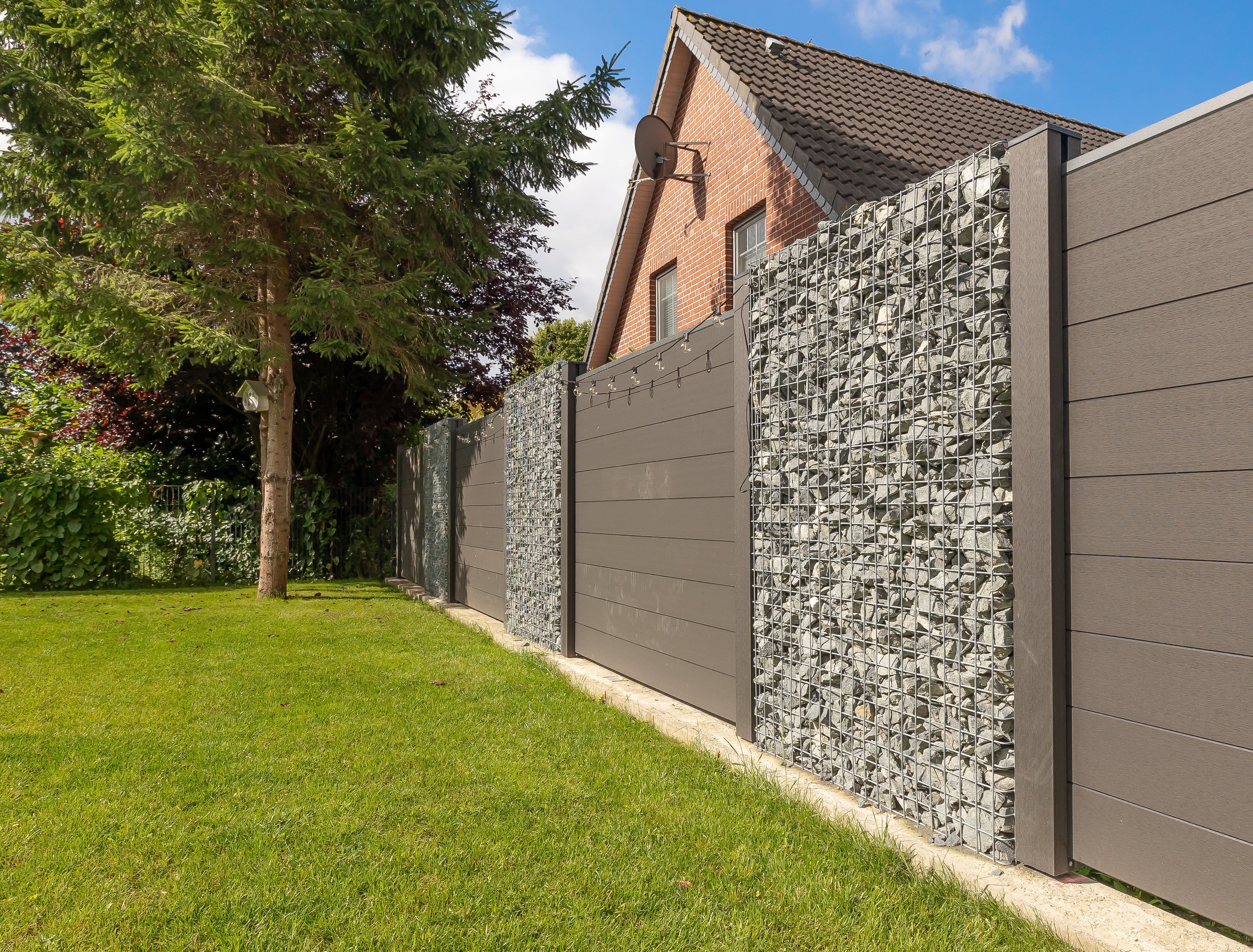
Gabions are steel baskets filled with stone, and they work because the structure is heavy, permeable and flexible rather than rigid.
Why they work
The weight of the stone resists the pressure behind it, and the gaps let water drain straight through. Water pressure behind a solid wall is what causes most retaining wall failures, and a gabion largely removes it.
They also flex rather than cracking if the ground settles, which suits uneven sites.
Filling them properly
Stone should be larger than the mesh aperture and angular rather than rounded, since angular stone locks together. Fill by hand in layers, placing the visible faces deliberately and packing the middle tightly.
Tipping stone in from a bucket produces a baggy, uneven basket that settles and bulges. Use internal bracing wires as the manufacturer specifies.
Retaining walls need designing
Anything retaining ground above around a metre, or supporting a driveway, a building or a neighbour's land, should be designed by a structural engineer. Retaining wall failures are dangerous and expensive.
The base must be level, compacted and usually wider than the wall, with a drainage layer and a geotextile behind to stop soil washing through.
Planning and boundaries
Height limits for walls and fences apply, generally two metres, and one metre next to a highway, with local variations. Anything on or near a boundary needs agreement with the neighbour, and building regulations may apply to a retaining structure.
Other uses
Free-standing screens, seating, raised beds and planters, where the loads are small and the design is straightforward.
Cost and effort
Gabions are cheap in materials and expensive in labour, since hand-filling is slow. Work out the stone tonnage before starting — a cubic metre of stone weighs around one and a half tonnes.
Plan where a delivery can be dropped and how far it must be barrowed.
Handling stone safely
Gloves, boots with toe protection and eye protection. Lift with the legs, keep loads close, half-fill a barrow and take more trips rather than straining.
Choosing the mesh
Wire thickness and coating determine how long a gabion lasts. Galvanised wire suits most gardens; heavily galvanised or PVC-coated wire suits coastal and wet sites where corrosion is faster.
Check the mesh aperture against the stone size before ordering either.
Filling material
Local stone is cheaper and looks right in the setting. Recycled concrete and brick work structurally and read as industrial. Glass and coloured aggregate suit decorative panels rather than retaining walls.
Order around ten percent more stone than calculated, since baskets settle and need topping up.
Wildlife
The voids suit insects, and stone walls warm in sun.
WHERE TO BUY
Ready to shop Gabiona? Use the link below to visit the official store.
→ Shop Gabiona — official site
Visit this site