
health · Articles
Protein Needs Through Life
Protein Needs Through Life
 Transact Shopping
FITNESS · GLOBAL
Protein Needs Through Life
How much at different stages, older adults and menopause, plant sources and practical intake
Protein requirements are usually discussed in the context of training, and the stages of life where intake matters most have nothing to do with the gym.
The baseline and beyond it
Around 0.8 grams per kilogram of body weight a day is a general minimum for adults. That figure is a floor for avoiding deficiency rather than an optimum.
People training regularly, those losing weight, and older adults all benefit from more, commonly quoted between 1.2 and 1.6 grams per kilogram.
Older adults
Muscle is lost steadily from midlife, and older muscle responds less readily to the same amount of protein. Research consistently supports a higher intake alongside resistance training to slow that loss.
Sarcopenia contributes directly to falls and to loss of independence, which makes this one of the more consequential nutrition points there is.
Menopause
Muscle and bone loss accelerate around and after menopause. Adequate protein, resistance training, calcium and vitamin D together have the best evidence, and none of them works as well alone.
Spreading it across the day
Total daily intake matters most, and spreading it across meals rather than concentrating it at dinner is generally better for muscle maintenance. Breakfast is where most people fall shortest.
Plant sources
Pulses, tofu, tempeh, nuts, seeds and wholegrains all contribute. Combining different plant proteins across a day covers the amino acid profile without any need to combine them in one meal.
Powders
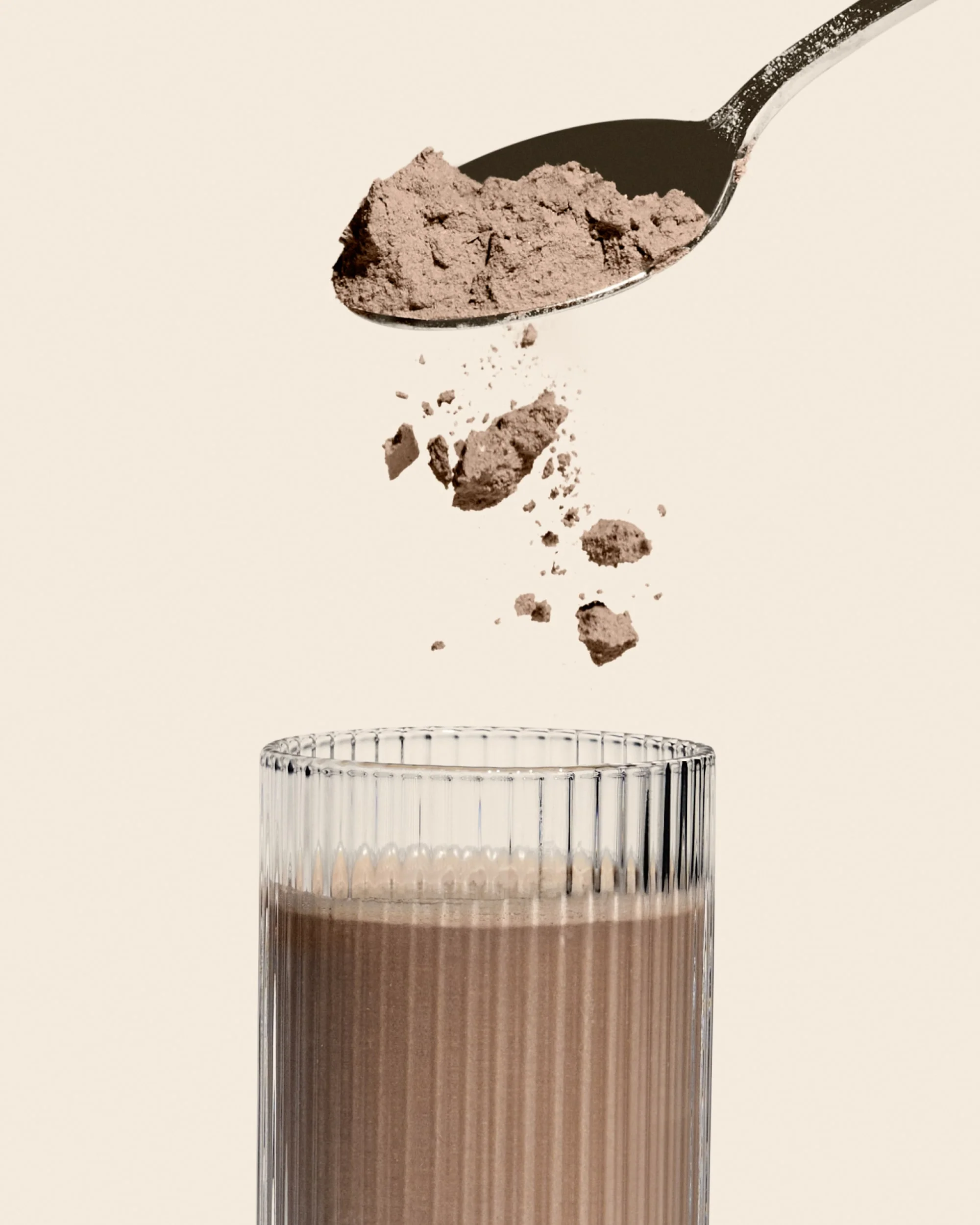
Convenience rather than necessity, and usually more expensive per gram than food. Work out what you already eat before buying one.
Food first
Dairy, eggs, fish, meat, pulses, tofu and grains cover protein needs for almost everyone. Work out what you actually eat over a few days before buying anything.
Most people are closer to the target than they assume, and shortfalls usually sit at breakfast.
Reading a label
Check protein per serving against the serving size, and look for third-party testing, which matters particularly for plant proteins.
Iron, calcium and the rest
Women of menstruating age are more likely to be low in iron, and calcium and vitamin D matter increasingly from midlife for bone density. Get tested rather than supplementing on a guess.
Pair plant iron sources with vitamin C, and leave an hour between iron and tea or coffee, which reduce absorption.
Resistance training
Protein does very little without a reason for the body to use it. Two or three resistance sessions a week is what makes the intake matter.
Check with a doctor before large changes in protein intake if you have any kidney condition.
Caution
Anyone with kidney disease should take medical advice before increasing protein substantially.
WHERE TO BUY
Ready to shop FREE SOUL? Use the link below to visit the official store.
→ Shop FREE SOUL — official site
Visit this site