sports · Articles
Getting Started in Coarse Fishing
Getting Started in Coarse Fishing
 Transact Shopping
SPORT · GLOBAL
Getting Started in Coarse Fishing
Licences and rules, basic tackle, handling fish and staying safe
Fishing is inexpensive to start and carries legal requirements that catch out beginners more than any tackle question does.
You need a licence
In England and Wales, anyone aged thirteen or over fishing for coarse fish, trout or salmon in freshwater needs a rod licence from the Environment Agency. Scotland and Northern Ireland have their own arrangements.
A licence is not permission to fish anywhere — you also need the fishery owner's permission, usually a day ticket or club membership. Fishing without either is theft and enforcement is real.
Close seasons and rules
A statutory close season applies on rivers in England and Wales, usually mid-March to mid-June. Individual fisheries set their own rules on bait, keepnets and barbless hooks.
Read the fishery rules before casting rather than afterwards.
Basic tackle
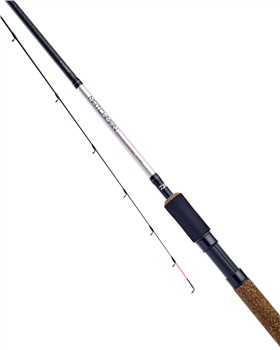
A rod and reel suited to the method, line, hooks, floats or feeders, shot, a landing net, an unhooking mat and forceps. Start with a simple float setup, which teaches more than any specialist rig.
Barbless or micro-barbed hooks are easier on fish and easier to remove from yourself.
Handling fish
Wet hands before touching a fish, support it properly, keep it over a mat and return it quickly. Fish out of water for a long photograph suffer real harm.
Safety
Water is the risk rather than the fish. Never fish near overhead power lines, since carbon rods conduct and this has been fatal. Take care on banks, especially alone and in the dark.
Weil's disease is carried in water contaminated by rat urine, so cover cuts, wash hands before eating and see a doctor about flu-like symptoms after being near water.
Bait and tackle care
Keep live and fresh bait cool and use it fresh, since most fisheries have rules about what may be brought on. Rinse reels and rods after fishing in salt or muddy water and let everything dry before storing.
Check line for nicks before each session and replace it periodically, since old line fails at the worst moment.
Leaving no trace
Discarded line and hooks kill birds and wildlife. Take every scrap home, including the small offcuts, and use the bins provided.
Fishing with children
Short sessions, a simple float, somewhere with plenty of small fish and a buoyancy aid near deep water. Catching something quickly matters far more than catching something large.
Teach unhooking and returning fish properly from the very first session.
Join a club, which usually costs less than repeated day tickets and gives access to better water.
Learning
A single session with a coach or an experienced angler teaches more than a whole season spent working it out alone.
WHERE TO BUY
Ready to shop Fishing Tackle & Bait? Use the link below to visit the official store.
→ Shop Fishing Tackle & Bait — official site
Visit this site