
clothing · Articles
Merino Base Layers
Merino Base Layers
 Transact Shopping
OUTDOORS · UNITED KINGDOM
Merino Base Layers
Why merino works, micron and weight, layering and washing
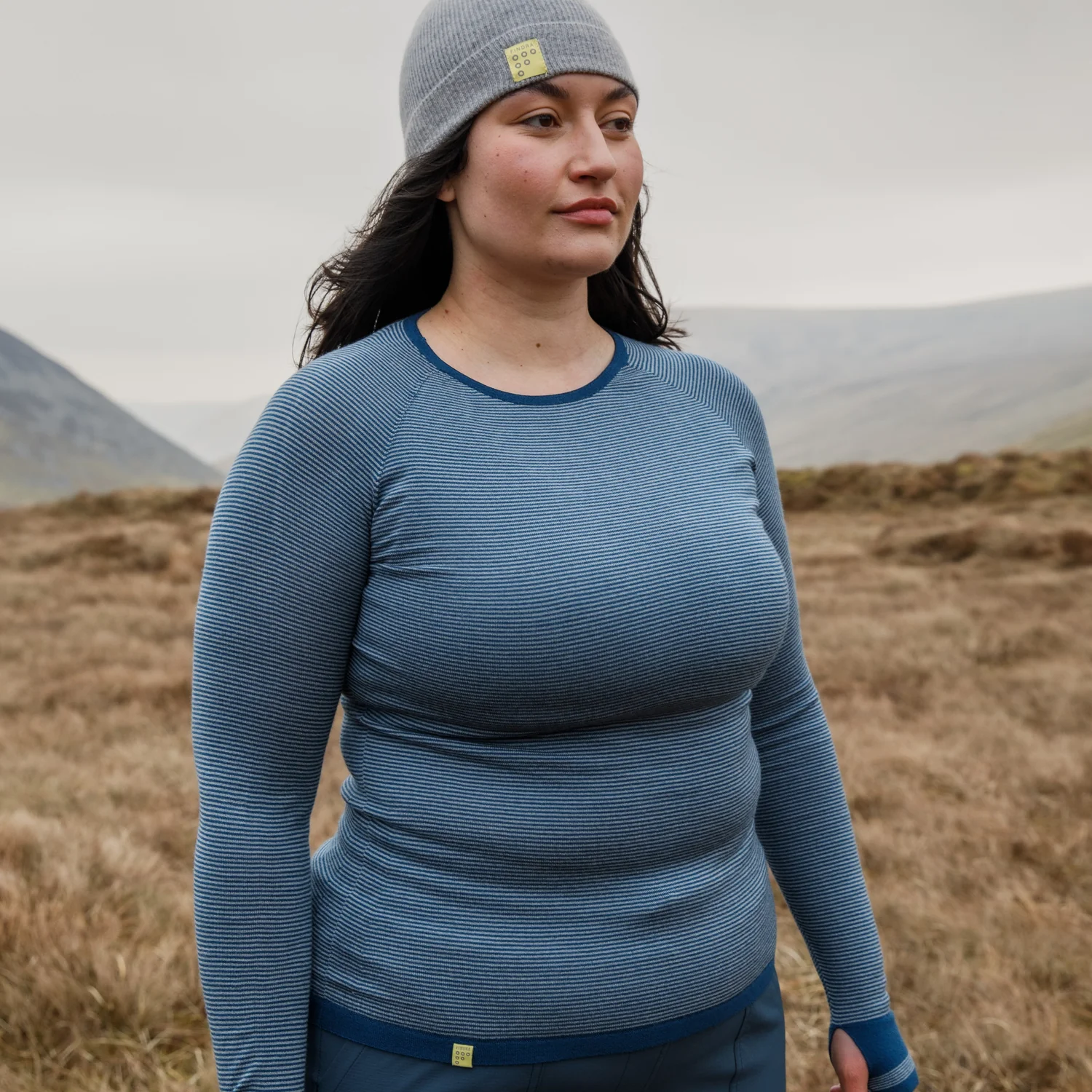
Merino has become the default base layer for outdoor use, and the reasons are specific properties rather than general natural-fibre goodness.
Why it works
Merino absorbs moisture into the fibre itself rather than holding it on the surface, so it feels dry against skin when damp and continues to insulate. Cotton does the opposite and stops insulating entirely once wet.
It also resists odour considerably longer than synthetics, because the fibre structure does not hold the oils that feed odour bacteria. That matters on multi-day trips.
Micron and weight
Micron measures fibre diameter, and lower numbers are finer and softer. Around 17 to 19 micron is next-to-skin comfortable; above 22 begins to feel prickly for many people.
Fabric weight in grams per square metre tells you the season. Around 150gsm is a summer or high-output layer, 200gsm is year-round, and 250gsm and above is for cold and low activity.
Blends
A small proportion of nylon at the seams and cuffs improves durability considerably, since pure merino wears through at friction points. That is a sensible compromise rather than a cheapened product.
Layering
Base layer against skin to move moisture, mid layer to trap warmth, shell to block wind and rain. Remove a layer before you get warm rather than after, since trapped sweat is what makes you cold when you stop.
Washing
Cool wash on a wool or delicate cycle with a wool detergent, never biological detergent, which contains enzymes that digest protein fibres. Never fabric softener.
Dry flat away from heat, and air between wears rather than washing every time, which is what wears merino out.
Cost per wear
Merino costs more and is worn for several days between washes, which changes the arithmetic considerably. One good base layer used constantly outperforms three cheap ones.
Check for reinforced shoulders and cuffs if you wear a rucksack, since that is where merino wears through.
What merino suits
Hiking, cycling, skiing, travel and anywhere you cannot wash clothes daily. It is less suited to heavy abrasion — climbing against rock, or under a pack strap all day — where a synthetic blend lasts longer.
For very high sweat rates, synthetics move moisture faster; merino holds more before feeling wet.
Buying
Check the micron, the weight and the blend, and try it on for length in the body and the sleeve, since base layers ride up under a pack.
Check the seams are flatlocked, since raised seams under a pack strap cause rubbing over a long day.
Moths
Store clean and sealed, since larvae are attracted to skin oils rather than to clean wool.
WHERE TO BUY
Ready to shop FINDRA? Use the link below to visit the official store.
→ Shop FINDRA — official site
Visit this site