
pets · Articles
Bringing a Puppy Home
Bringing a Puppy Home
 Transact Shopping
PETS · GLOBAL
Bringing a Puppy Home
The first days, vaccination and the socialisation window, toilet training and what to buy
The first few weeks with a puppy shape a great deal of what follows, and the timing of one of them is genuinely time-limited.
The first days
Keep it quiet. A puppy has left its mother and littermates and needs sleep — sixteen to twenty hours a day is normal. Limit visitors, give it a safe space it can retreat to, and let it settle before introducing anything new.
Register with a vet immediately and check what vaccinations it has already had.
The socialisation window
The critical period runs to around twelve to sixteen weeks, during which positive exposure to people, sounds, surfaces, traffic and handling shapes how a dog copes for life. That window closes and does not reopen.
Because vaccinations are not complete, carry the puppy outside to see the world, invite people in, and use a puppy class run on reward-based methods. Not socialising because of vaccination timing is the commonest mistake.
Toilet training
Out every hour, after every sleep, meal and play, and reward outside immediately. Accidents are the handler's timing rather than the dog's fault, and cleaning with an enzyme cleaner rather than ammonia stops repeat marking.
What to buy
A well-fitted harness and a fixed lead, a crate or a pen as a safe space, food it is already eating, and safe chews. Skip anything aversive — choke chains, prong collars and shock collars are advised against by veterinary and behaviour bodies.
Feeding a puppy
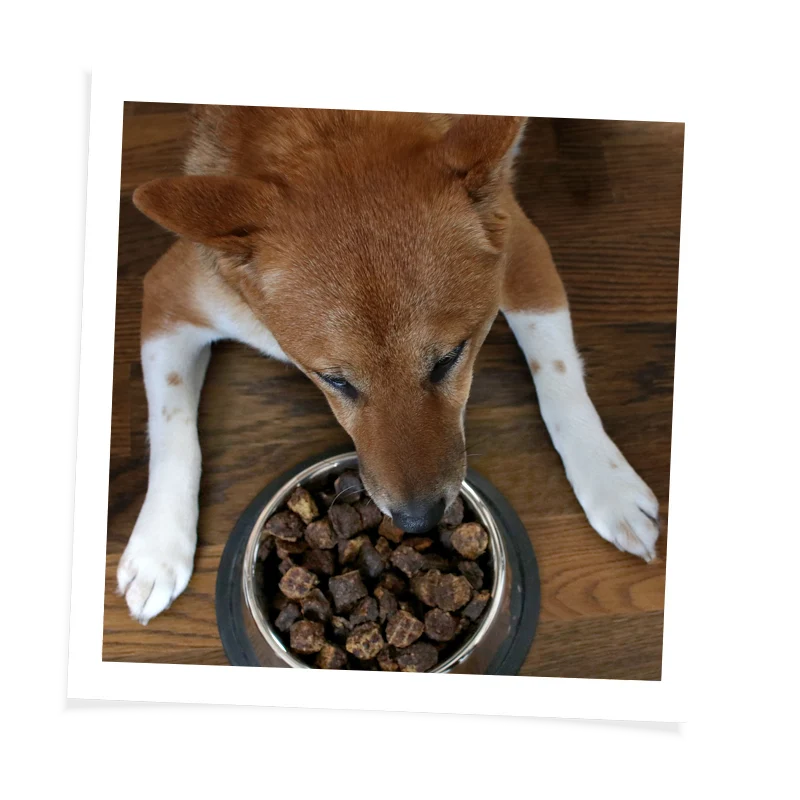
Keep to the food the breeder or rescue used for the first weeks and change gradually over one to two weeks if you switch. Puppies need a complete food formulated for growth, and large breeds have specific requirements.
Feed by weight rather than by scoop and adjust to body condition rather than to the bag.
What is toxic
Chocolate, grapes and raisins, onions and garlic, macadamia nuts, alcohol, and anything containing xylitol. Cooked bones splinter.
Contact a vet immediately rather than waiting for symptoms.
Training and behaviour
Reward what you want rather than punishing what you do not, and keep sessions short and frequent. A puppy class run on reward-based methods teaches the handler as much as the dog.
Bite inhibition, being left alone in small doses and being handled for grooming and vet visits are the three things worth working on early.
Costs
Food, insurance, vaccinations, neutering, worming, flea treatment, equipment and training add up considerably. Budget for a decade rather than for the first month.
Insure from the first day, since conditions that appear later may be excluded.
Legal points
Microchipping is compulsory and the registered details must be kept current.
WHERE TO BUY
Ready to shop Fidelis FR? Use the link below to visit the official store.
→ Shop Fidelis FR — official site
Visit this site