Ferryhopper UK · Articles
Island Hopping in the Mediterranean Without the Chaos
Island Hopping in the Mediterranean Without the Chaos
TRAVEL · UNITED STATES
Island Hopping in the Mediterranean Without the Chaos
How ferry booking actually works, and the mistakes that strand people
Mediterranean island hopping looks spontaneous in photographs and is considerably more structured in practice. Ferry networks run on seasonal timetables, several competing operators serve the same routes, and the connection you assumed existed frequently runs twice a week rather than daily.
The thing that catches people out
Routes are not evenly connected. Two islands close together on a map may have no direct service at all, requiring a return to a hub port in between. Planning a route by looking at a map rather than a timetable is the most common way a trip falls apart, and it usually surfaces on the day.
Check actual sailings between each pair of islands before committing to an itinerary, and build in a buffer day before any flight home. Ferries are cancelled for weather with limited notice, particularly in shoulder season, and there is no alternative route when that happens.
Fast versus conventional
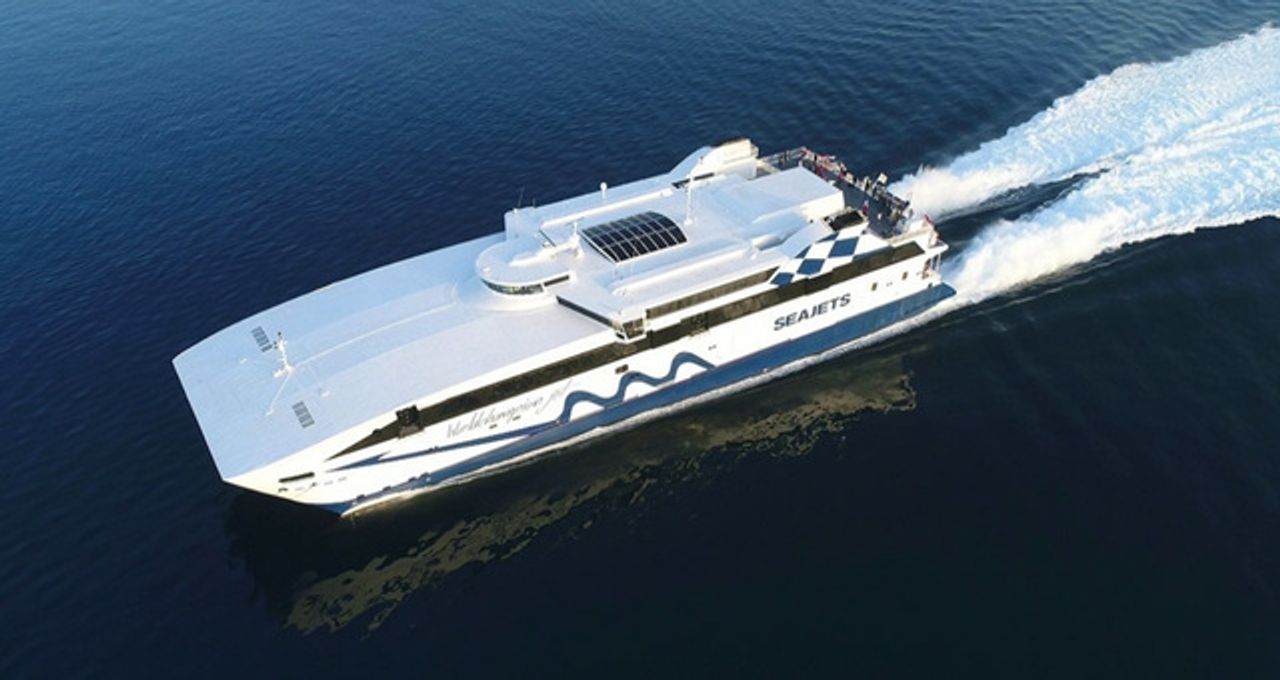
Most popular routes offer both. Fast ferries cost significantly more and halve the journey time. Conventional ferries are cheaper, more comfortable in rough water, and usually the only option that carries vehicles. Fast craft are also cancelled more readily in high winds, which is worth knowing if your onward connection is tight.
Book vehicles early
Car deck space sells out long before passenger space in high season. If you are travelling with a vehicle, that is the binding constraint on your entire itinerary and should be booked first, before accommodation.
Foot passengers have more flexibility, though the popular July and August crossings still fill. Booking a week or two ahead in peak season is sensible; booking on the day is a summer gamble.
Tickets, luggage and seating
Most operators offer deck passage, assigned airline-style seats and cabins on longer crossings. Deck passage is the cheapest and is perfectly comfortable on a short daytime hop; for an overnight sailing a cabin is worth the difference.
Luggage allowances are generous compared with airlines, but large bags are usually left in a racked area near the entrance rather than kept with you. Keep documents, medication and valuables in a small bag you carry.
At the port
Arrive earlier than you think, particularly at large hub ports where the correct gate may be a fifteen-minute walk from the entrance. Bring the booking reference and photographic identification, which is checked on most international crossings and some domestic ones.
Take motion sickness tablets before boarding rather than after symptoms start, since they work preventatively and not retrospectively. Open decks help considerably more than cabins in rough water.
Plan the ferries first and the accommodation second. The boats determine what is possible.
WHERE TO BUY
Ready to shop Ferryhopper? Use the link below to visit the official store.
→ Shop Ferryhopper — official site
Visit this site
Visit store