
other · Articles
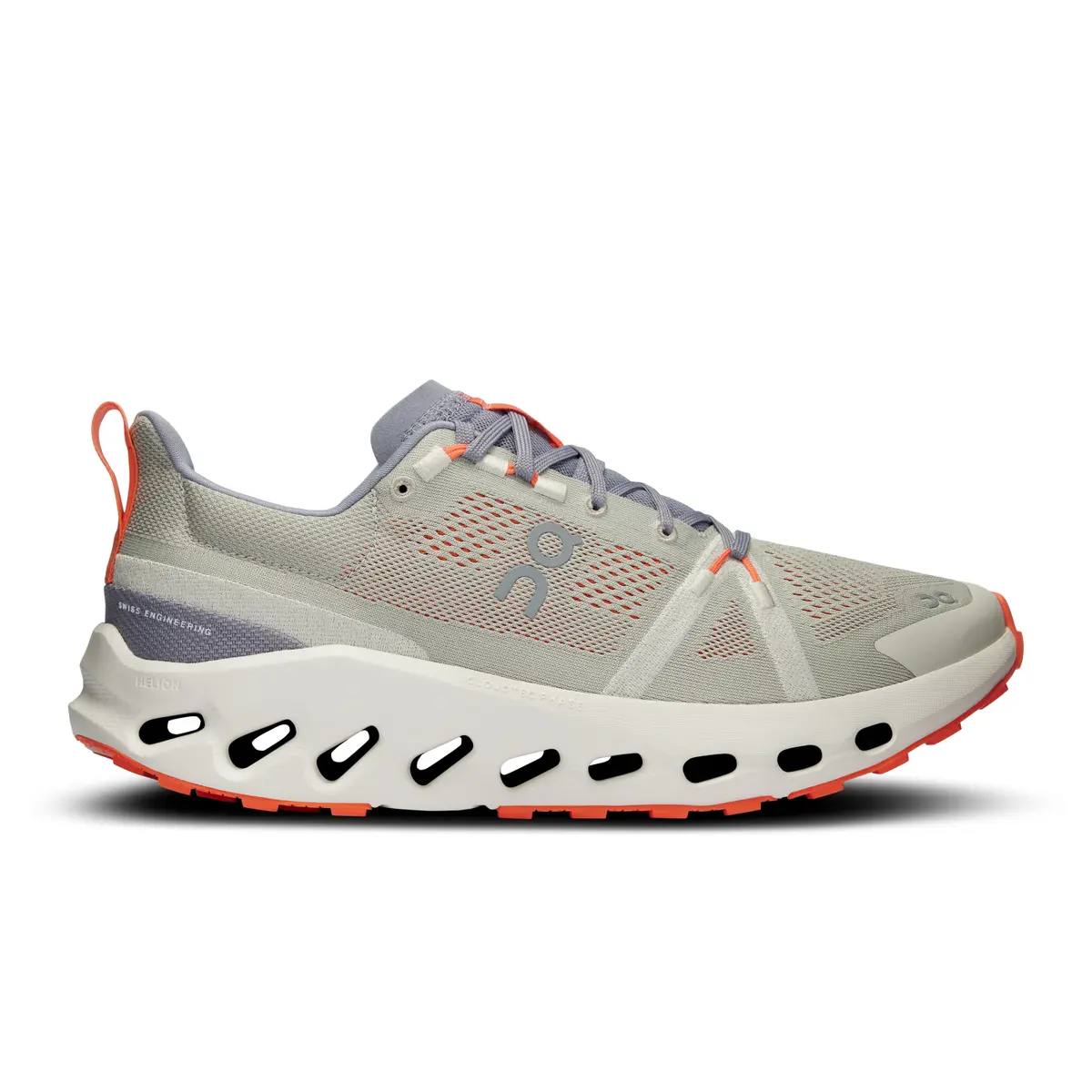
Trail Running Shoes
Trail Running Shoes
 Transact Shopping
FITNESS · GLOBAL
Trail Running Shoes
How they differ from road shoes, lugs and rock plates, drop and fit
Trail shoes are built for surfaces that move underfoot, and the features that make them work are easy to match to the terrain you actually run on.
The main differences
Aggressive outsole lugs for grip, a stiffer and more protective midsole, reinforced uppers to resist abrasion, and usually a more secure fit through the midfoot.
Road shoes on wet rock or mud have effectively no grip, which is the single biggest reason people fall.
Lugs by terrain
Shallow lugs of around three millimetres suit hardpack trails and gravel. Five to six millimetres suit mixed and soft ground. Eight millimetres and above are for deep mud and fell running and feel awful on tarmac.
Rubber compound matters as much as depth — softer, stickier compounds grip wet rock better and wear faster.
Rock plates and protection
A thin plate between the midsole and outsole protects the foot from sharp stones, at the cost of some ground feel. It matters on rocky ground and is unnecessary on smooth trails.
Drop and stack
Heel-to-toe drop is a matter of what you are used to rather than what is correct. Changing drop significantly shifts load between the calf and the knee, so change gradually.
Higher stack cushions long distances; lower stack gives stability on technical ground.
Fit
A half size larger than your road shoes, since feet swell over distance and descents push toes forward. Heel lock is critical, and a secure midfoot prevents sliding on cambers.
Replacing
When the lugs are rounded off, which happens sooner on shoes used on roads.
What else to carry
A phone, a lightweight waterproof, something to eat, and on remote ground a foil blanket and a whistle. Tell someone your route and expected return.
A head torch for anything near dusk, since trails get dark far earlier than roads.
Building up
Trail running loads the ankles and calves differently from road running, so increase gradually. Persistent pain needs a physiotherapist rather than different shoes.
Socks and blisters
Technical socks rather than cotton, fitted properly with no wrinkles, and dealt with the moment you feel a hot spot. Most trail blisters come from grit and damp rather than from the shoe.
Gaiters keep stones and mud out on rough ground and weigh almost nothing.
Road and trail together
A shoe with moderate lugs handles mixed routes that include tarmac between trails, and it grips less on wet rock than a dedicated trail shoe. Two pairs suit anyone running both regularly.
Rotating between pairs lets each midsole recover and makes both last longer.
Safety
Tell someone your route, carry a phone and a layer, and slow down on descents.
WHERE TO BUY
Ready to shop Endurance Store? Use the link below to visit the official store.
→ Shop Endurance Store — official site
Visit this site