
sports · Articles
Barbells, Plates and Lifting at Home
Barbells, Plates and Lifting at Home
 Transact Shopping
FITNESS · UNITED KINGDOM
Barbells, Plates and Lifting at Home
Bar specifications, collars and safety, plate types and setting up
Barbell equipment is bought on price and lived with on specification, and a few numbers determine whether a bar is safe and usable.
Bar specifications
Standard bars take 25mm plates and are lighter duty. Olympic bars take 50mm plates, are typically 20kg and 2.2 metres for a men's bar, and have rotating sleeves.
Look for the tensile strength in megapascals and the stated weight capacity. A cheap bar with no stated rating will bend permanently under a load it should handle.
Knurling should give grip without shredding hands, and a centre knurl matters for squats and not much else.
Collars are not optional
Plates slide when a bar tips even slightly, which shifts the load suddenly. Use collars, or deliberately train without them so a failed lift can be dumped safely — decide which and be consistent.
Plate types
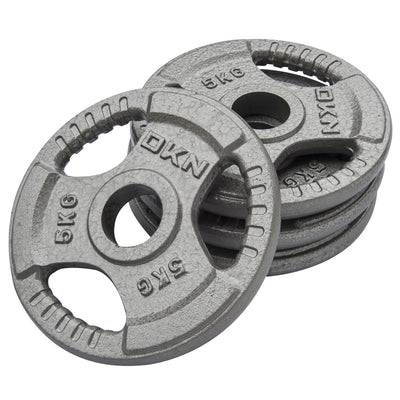
Cast iron is cheapest and noisy and damages floors. Rubber-coated plates are quieter and kinder to equipment. Bumper plates are designed to be dropped and are what you need for Olympic lifting.
Check whether plate diameter is full size, since a set of small plates changes the bar height off the floor for deadlifts.
Training alone
Never bench press without safety arms or pins set at the right height, tested empty before loading. Keep a phone within reach and tell someone you are training.
The floor
Rubber matting protects the floor, reduces noise for anyone below and stops equipment sliding. Check the floor loading, particularly upstairs.
Buying second-hand
Weights do not wear out and the used market is full of barely used equipment. Check bars for bends and rust, and collect it yourself, since delivery on heavy items frequently costs more than the item.
Check a bar rolls straight on a flat floor.
Racks and safety
A squat rack or stand with adjustable safety arms is what makes training alone safe. Set the pins so a failed lift lands on them rather than on you, and test the height with an empty bar.
Check the rack is rated for the load and either bolted down or heavy enough not to tip.
Programming and progress
A simple programme followed consistently beats a complicated one abandoned in three weeks. Progressive overload — adding a little weight or a repetition over time — is what produces results.
Warm up properly, leave a day between hard sessions for the same muscle groups, and log what you lift.
Noise and neighbours
Dropping weights transmits through a building structure far more than people realise. Matting, lowering rather than dropping, and reasonable hours prevent most complaints.
Technique first
A few sessions with a qualified coach prevents habits that take years to undo and cause most training injuries.
Speak to a doctor first if you have a heart condition or have been inactive for a long period.
WHERE TO BUY
Ready to shop DKN? Use the link below to visit the official store.
→ Shop DKN — official site
Visit this site