
home · Articles
Electric Fires and Stoves
Electric Fires and Stoves
 Transact Shopping
HOME · GLOBAL
Electric Fires and Stoves
How they heat, running costs, installation types and safety
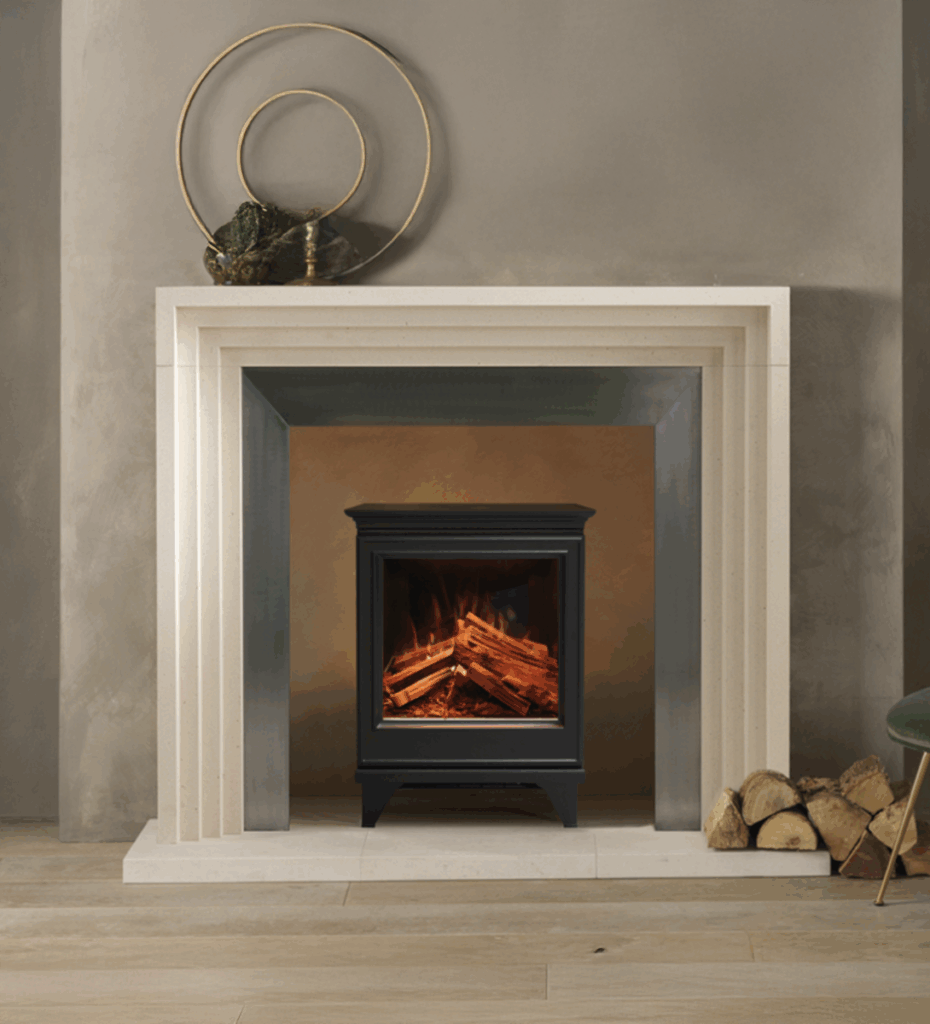
Electric fires give the appearance of a fire with none of the flue, fuel or fumes, and it is worth being clear about what they do and do not provide.
They are electric heaters
Every electric fire converts electricity to heat at essentially 100 percent efficiency, which sounds impressive and means all of them heat identically for the same wattage. Nothing about the flame effect changes that.
Most run at 1kW or 2kW, which heats a small to medium room and will not heat a house.
Running cost
Multiply the kilowatts by your electricity unit rate to get the hourly cost. Electricity typically costs considerably more per unit than gas, so an electric fire used for hours daily is expensive heating.
Used as supplementary heat in one occupied room while the central heating is turned down, it can be cheaper overall.
Flame effects
LED and reflection systems produce the flame, and the better ones use a holographic or water-vapour effect that is convincing. Most can run the flame with the heat off, which is the feature people use most.
Installation types
Freestanding units plug in anywhere. Inset fires fit an existing fireplace opening. Wall-mounted and media-wall units need a recess and usually a spur, and electric suites combine a fire and a surround.
Anything hardwired should be installed by a registered electrician, and adding a spur is notifiable work in many jurisdictions.
Safety
Never run a heater from an extension lead or a multi-way adapter, since the current draw is high. Keep furniture, curtains and drying clothes well clear.
Check for a tip-over cut-out and overheat protection, and keep the air inlets clear of dust.
Heating a room efficiently
Draught-proofing, closing doors and curtains, and heating the room you occupy rather than the whole house all save more than any appliance choice. A cheap thermometer tells you whether a room is genuinely cold or just feels it.
Around eighteen to twenty-one degrees suits most living rooms.
Older or vulnerable households
Ask about winter fuel support and any grants available, which are widely underclaimed, and keep a warm room and a working carbon monoxide alarm if any fuel-burning appliance is used.
Media walls and installation
Recessing a fire into a stud wall needs the clearances the manufacturer specifies, a spur for the supply and heat separation from anything above it. Televisions mounted directly over a heat source need checking against both manufacturers' guidance.
Plan the cable routes before building anything.
Compared with gas and wood
No flue, no servicing, no carbon monoxide and no local air quality impact, which is a genuine advantage in a flat or a smoke control area.
WHERE TO BUY
Ready to shop Direct Fireplaces? Use the link below to visit the official store.
→ Shop Direct Fireplaces — official site
Visit this site