
other · Articles
Kitting Out a New Sport Without Overspending
Kitting Out a New Sport Without Overspending
 Transact Shopping
FITNESS · GLOBAL
Kitting Out a New Sport Without Overspending
What to buy first, where cheap is fine, safety equipment and trying a sport
Taking up a sport is where people spend most and know least, and the order of purchase matters more than the budget.
Try before buying
Clubs, taster sessions and hire almost always exist, and most sports have far more equipment sitting unused in garages than in circulation. Borrow or hire for the first few sessions.
What you need becomes obvious after three sessions and is rarely what the shop suggested.
Where cheap is genuinely fine
Base layers, shorts, bags, water bottles, towels and most accessories. Entry-level own-brand kit from a large retailer performs close to branded equivalents for a fraction of the price.
Buy cheap, use it, and replace the specific things that annoy you.
Where it is not
Anything protective — helmets, mouthguards, body protectors, eyewear and buoyancy aids — and anything that determines whether you can stop, such as brakes and footwear grip.
Footwear for the specific sport matters, since lateral sports need lateral support that running shoes do not provide, and that is where ankles are injured.
Sizing and fit
Fit determines whether protective equipment works at all. A helmet bought to grow into moves on impact and protects far less.
Second-hand
Excellent for most equipment and not for helmets, since the impact history is exactly what matters and is invisible.
Looking after kit
Wash technical fabric promptly without fabric softener, air dry rather than tumble drying, and empty the bag after every session. Kit left damp in a bag is where smells and skin infections start.
Rotate two pairs of shoes so each dries fully, which makes both last considerably longer.
Where to start
Clubs, council leisure centres and beginner courses cost far less than equipment and teach technique, which prevents most injuries. Many clubs lend equipment to new members for the first few weeks.
Ask experienced people at the club what they wish they had bought first, which is usually different from what the shop suggests.
Selling on
Sports equipment holds value reasonably well and the used market is large. Sell what you stopped using rather than storing it.
Buying for children
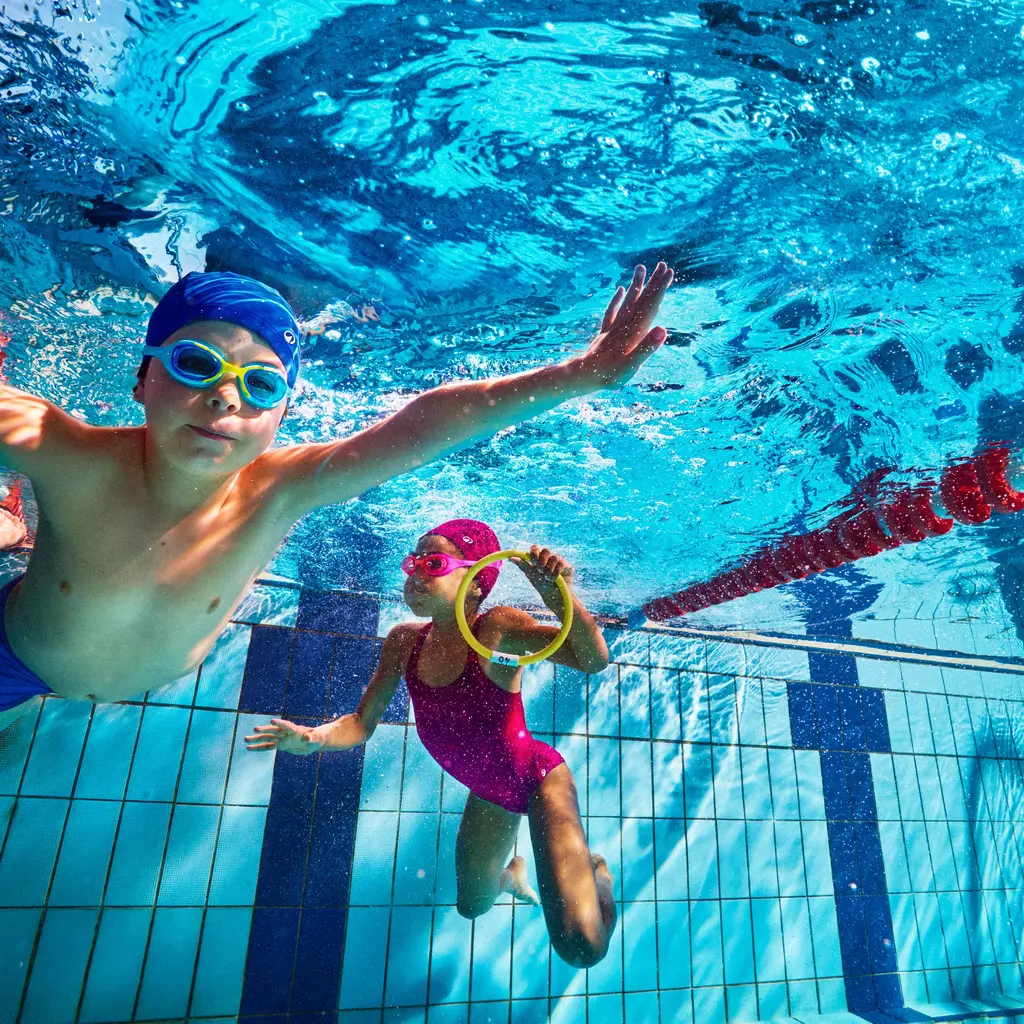
Children grow out of kit before wearing it out, which makes second-hand and club swap schemes the sensible route for everything except protective equipment and footwear.
Check the fit of helmets and pads as they grow, since a protective item that no longer fits protects considerably less.
Kit that lasts
Higher elastane content feels better and degrades faster, particularly with heat and chlorine. Buy a second of anything that fits well.
Building up
Increase gradually, since most beginner injuries come from doing too much too soon rather than from equipment.
Speak to a doctor first if you have a heart condition or have been inactive for a long period.
WHERE TO BUY
Ready to shop Decathlon Ireland? Use the link below to visit the official store.
→ Shop Decathlon Ireland — official site
Visit this site