
garden · Articles
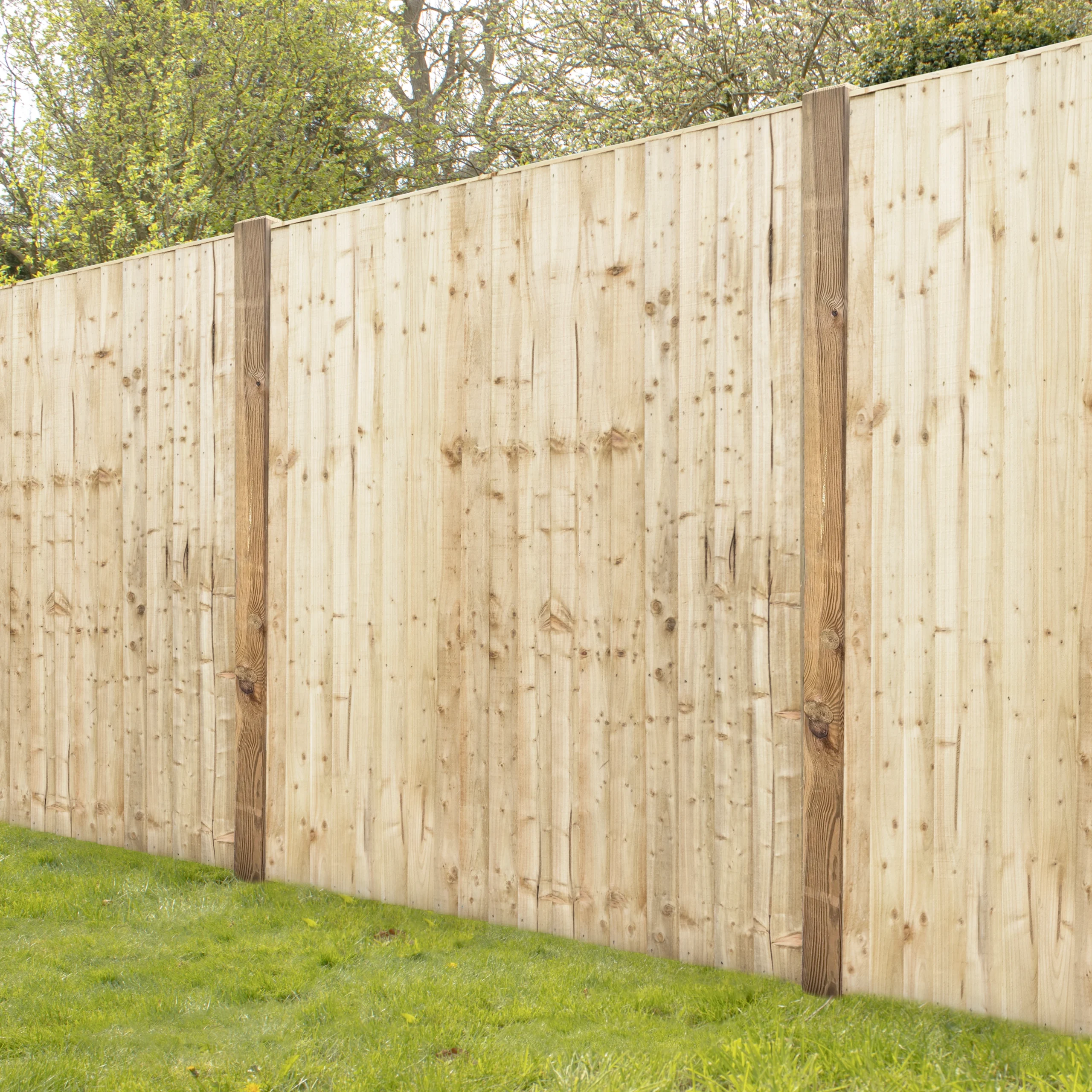
Putting Up a Garden Fence
Putting Up a Garden Fence
 Transact Shopping
GARDEN · GLOBAL
Putting Up a Garden Fence
Boundaries and permission, post types and depth, panels and maintenance
Fencing is straightforward physically and complicated legally, and the questions about ownership are worth settling before anything is dug.
Whose fence is it
Check the title deeds and the Land Registry plan, where T marks indicate responsibility for a boundary. There is no reliable rule about which side you own, despite what people say.
You need permission to go onto a neighbour's land, and you cannot attach anything to their fence. Talk to them before starting — most boundary disputes begin with a surprise.
Height and permission
In England, fences are generally permitted development up to two metres, and one metre where they adjoin a highway used by vehicles. Conservation areas and listed properties have tighter rules.
Check with the council rather than assuming, and check for covenants in your deeds.
Before you dig
Services run through gardens. Use a cable and pipe detector, check for drain runs and inspection covers, and contact your utility if anything is marked. Striking a service is dangerous and expensive.
Posts do the work
Posts should go in roughly a quarter to a third of their above-ground height, commonly 600mm for a 1.8 metre fence, in concrete with the concrete sloped away from the timber.
Use timber treated to a use class suitable for ground contact, or concrete posts with gravel boards, which keep the panels out of wet ground and are what makes a fence last.
Setting out
String line and spirit level throughout. Work from a fixed point and check the spacing for each panel individually rather than measuring once.
Maintenance
Treat cut ends with end-grain preservative, recoat every couple of years and keep plants and soil off the timber.
Gates and access
Hang gates on the post with the strongest fixing and allow for the ground rising in wet weather. A gate that drags within a year is usually a post that has moved.
Leave a gravel board gap or a hedgehog hole at the base where you can, which lets wildlife move between gardens.
Alternatives
Hedges take longer, need cutting and support far more wildlife, and they survive gales. Check nesting season rules before cutting, which run roughly March to August.
Treatment and life
Pressure-treated timber for a fence should be specified for its use class, with anything in ground contact treated for it. Brush end-grain preservative onto every cut, which adds years to the fence.
Recoat exposed timber every couple of years and keep soil and compost heaped away from panels.
Wind
Solid panels catch wind. Slatted or hit-and-miss designs let it through and survive gales considerably better.
WHERE TO BUY
Ready to shop David Musson Fencing? Use the link below to visit the official store.
→ Shop David Musson Fencing — official site
Visit this site