food · Articles
Drinking More Water Without Sugar
Drinking More Water Without Sugar
 Transact Shopping
FOOD & DRINK · GLOBAL
Drinking More Water Without Sugar
How much you need, sparkling and flavoured drinks, teeth and practical habits
Hydration advice is full of fixed targets, and the useful version is simpler and more individual than a number of glasses.
How much
Requirements vary with body size, activity, heat and diet, so a fixed daily figure suits nobody precisely. Drink to thirst and check urine colour — pale straw is about right, dark suggests drinking more.
Food contributes a meaningful proportion, and tea, coffee and milk all count towards fluid intake despite the persistent myth about caffeine.
Where the sugar is
Soft drinks are the largest single source of added sugar in many diets, particularly for children. Fruit juice counts as free sugar too, which is why guidance limits it to a small glass a day.
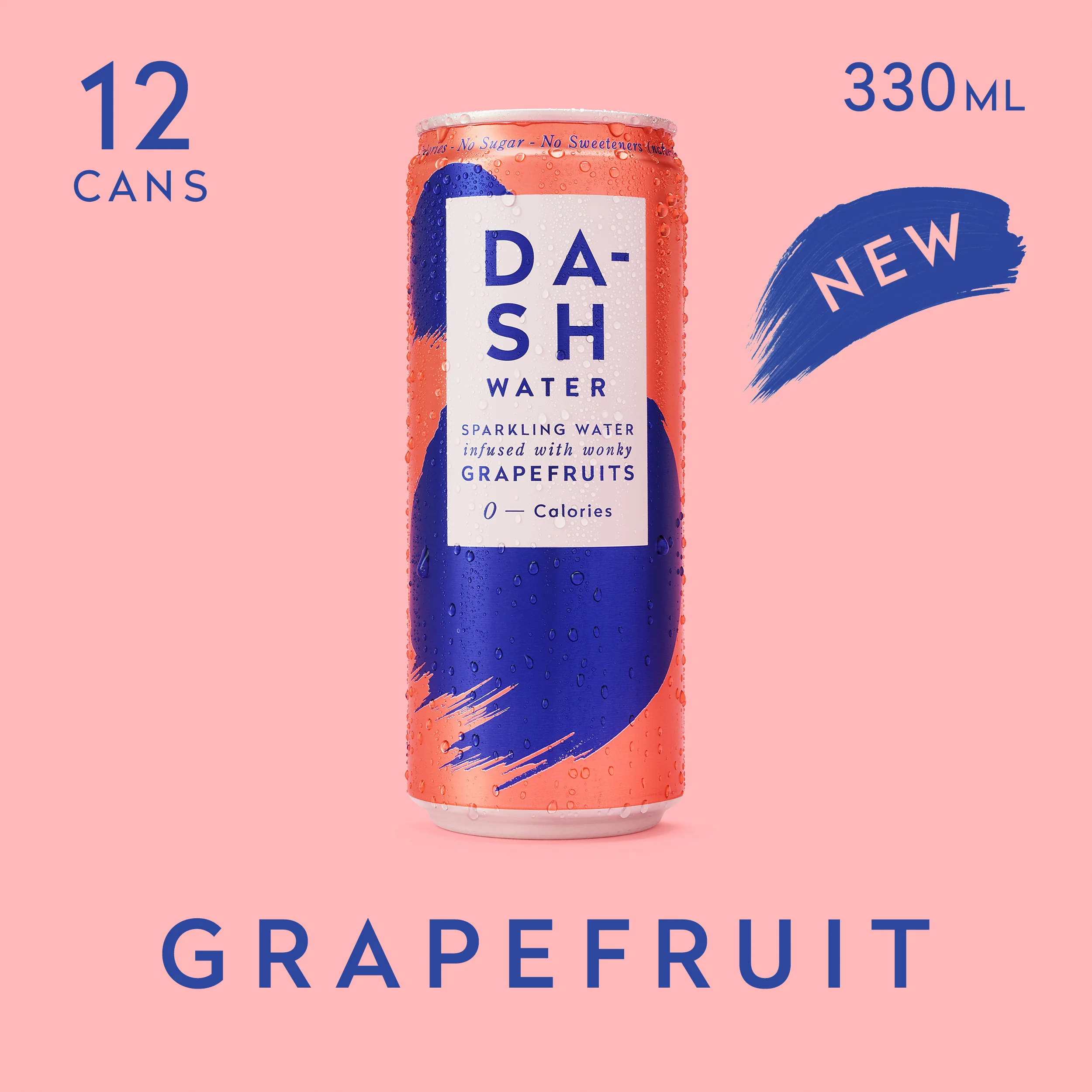
Unsweetened flavoured sparkling water is a genuine improvement on sugary drinks and on artificially sweetened ones for taste preference reasons rather than proven health ones.
Teeth
Carbonated drinks are acidic, and acidity erodes enamel regardless of sugar content. Sipping continuously through the day is worse than drinking the same amount with a meal.
Do not brush immediately after an acidic drink — wait an hour, since brushing softened enamel removes it. Plain water between drinks helps.
Practical habits
A bottle you actually like, kept where you work. A glass with every meal. Drinking a glass on waking, which is when most people are most dehydrated.
When you need more
Heat, exercise, altitude, illness with fever or diarrhoea, and breastfeeding. Older adults feel thirst less reliably and should drink to a routine rather than to thirst.
Children and drinks
Water and milk are the recommended drinks for children, with juice limited to a small glass with a meal and squash diluted well. Sugary drinks between meals are the main driver of childhood tooth decay.
Avoid giving drinks in a bottle at bedtime, which bathes teeth overnight.
Bottles
Wash reusable bottles daily in hot soapy water and dry them fully, since the lid and the seal are where bacteria collect.
Caffeine and other drinks
Caffeine has a half-life of around five hours, so an afternoon coffee is still in your system at bedtime. Energy drinks combine caffeine with substantial sugar and are not recommended for children.
Tea, coffee and milk all count towards fluid intake despite the persistent myth about caffeine dehydrating you.
Reading a drinks label
Compare sugar per 100ml rather than per bottle, since bottle sizes vary considerably. Anything above about 11 grams per 100ml is in the highest sugar band.
No added sugar does not mean no sugar, since fruit juice content counts as free sugars.
When to ask a doctor
Sudden persistent thirst, needing to urinate far more than usual, or unexplained weight loss are worth checking rather than treating as a hydration matter.
WHERE TO BUY
Ready to shop Dash Water? Use the link below to visit the official store.
→ Shop Dash Water — official site
Visit this site