
food · Articles
Decaffeinated Coffee Worth Drinking
Decaffeinated Coffee Worth Drinking
 Transact Shopping
FOOD & DRINK · GLOBAL
Decaffeinated Coffee Worth Drinking
How caffeine is removed, why decaf has improved, brewing it and who benefits
Decaf has a poor reputation earned decades ago, and the processes and the quality of the beans used have both changed considerably.
How caffeine is removed
The Swiss Water process uses water and carbon filtration with no added solvent, and is the most common speciality method. Carbon dioxide processing uses pressurised CO2 and is used at scale.
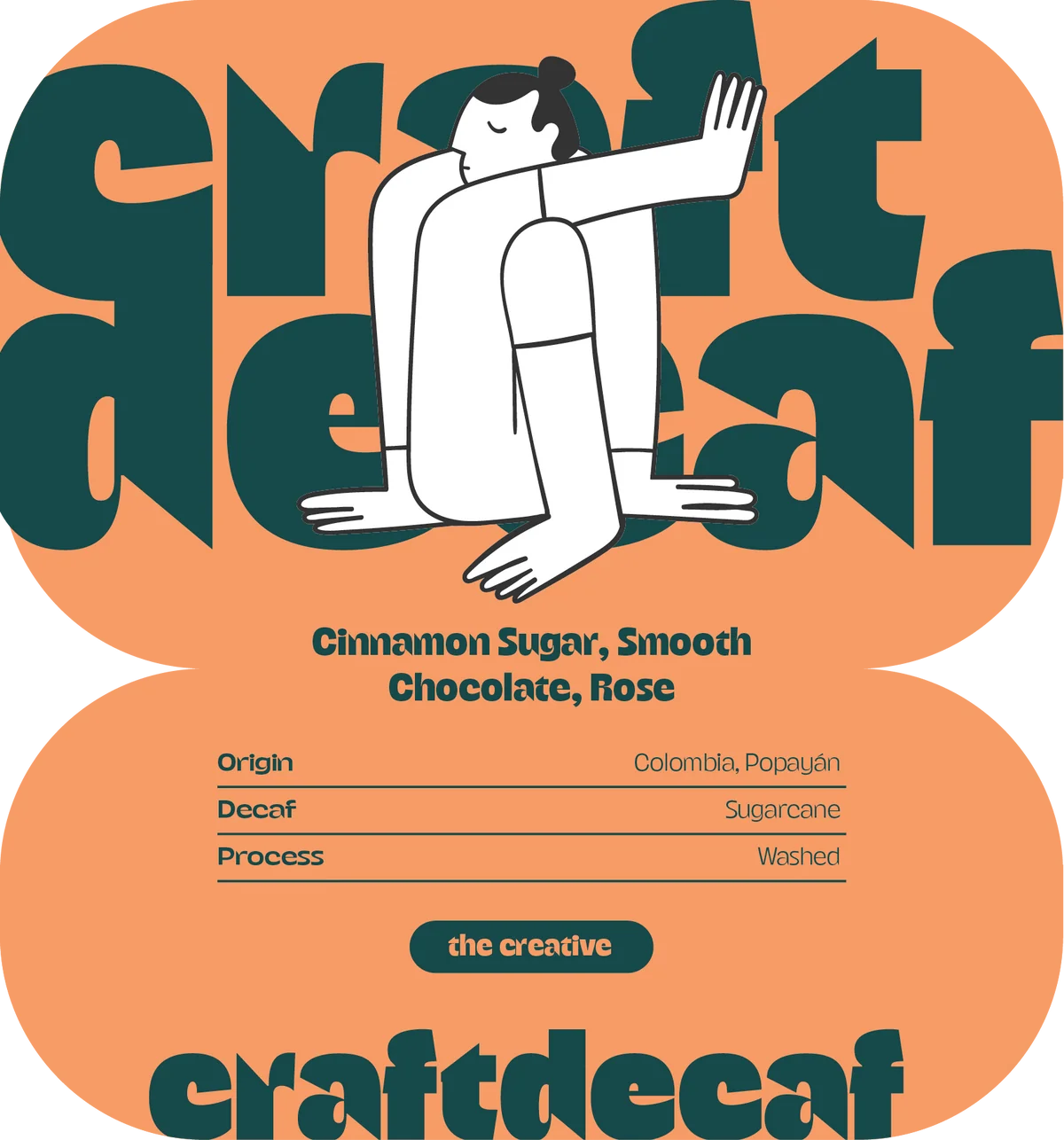
Sugarcane or ethyl acetate processing uses a compound derived from fermented sugarcane, and is common in Colombian decaf. Traditional solvent methods using methylene chloride are still used and are tightly regulated for residue.
Look for the method on the bag — speciality roasters state it, and that is usually a sign the beans were worth decaffeinating.
Why it used to be bad
Poor quality beans were used, since nobody decaffeinated good coffee, and older processes stripped flavour along with the caffeine. Both have changed, and good decaf now tastes like coffee rather than like a compromise.
It is not caffeine free
Decaf retains a small amount, typically a few milligrams per cup against around eighty in a regular one. That matters for anyone advised to avoid caffeine entirely.
Brewing it
Decaffeinated beans are more porous and brittle, so they grind finer at the same setting and can extract faster. Grind a little coarser and expect to adjust.
They also stale slightly faster, so buy smaller bags with a roast date.
Storing it
Airtight, cool and dark, away from strong smells and not in the fridge. Buy whole beans with a roast date and grind immediately before brewing.
A burr grinder does more for the cup than any machine.
Brewing a good cup
Around 60 grams of coffee per litre of water is a useful starting ratio. Sour and fast means grind finer; bitter and slow means grind coarser, which solves most problems.
Water matters — very hard or very soft water both produce poor results, and a filter jug improves the cup noticeably in hard water areas.
Half caff and cutting down
Blending decaf with regular is an easy way to reduce intake without losing the drink, and it suits people who get headaches when stopping abruptly.
Caffeine withdrawal headaches last a few days. Reducing gradually over a fortnight avoids most of it.
Tea and other sources
Tea, cola, chocolate and some painkillers contain caffeine too, which is worth counting if you are cutting down.
Who it suits
Anyone cutting caffeine in the afternoon, people who are pregnant, anyone with anxiety, reflux or an arrhythmia, and anyone who simply wants a coffee at nine in the evening.
Caffeine has a half-life of around five hours, which is why an afternoon cup affects sleep.
WHERE TO BUY
Ready to shop Craft Decaf? Use the link below to visit the official store.
→ Shop Craft Decaf — official site
Visit this site