
other · Articles
Commercial Kitchen Equipment and Compliance
Commercial Kitchen Equipment and Compliance
 Transact Shopping
BUSINESS · GLOBAL
Commercial Kitchen Equipment and Compliance
Gas safety and interlocks, extraction, refrigeration records and buying used
Commercial catering equipment is bought on specification and lived with under inspection, and the compliance requirements shape what you can install.
Gas equipment and interlocks
Commercial gas work must be carried out by an engineer registered for commercial catering appliances, which is a different qualification from domestic. Annual inspection and records are required.
A gas interlock system, which shuts off the gas if the ventilation is not running, is a standard requirement in commercial kitchens. Retrofitting one is an expense worth knowing about before buying a range.
Extraction
Anything producing heat, steam or grease needs extraction to outside with grease filters and a documented cleaning schedule. Grease build-up in ductwork is a recognised fire risk and is an insurance condition.
Extraction rates are calculated from the equipment beneath the canopy rather than the room size.
Refrigeration and records
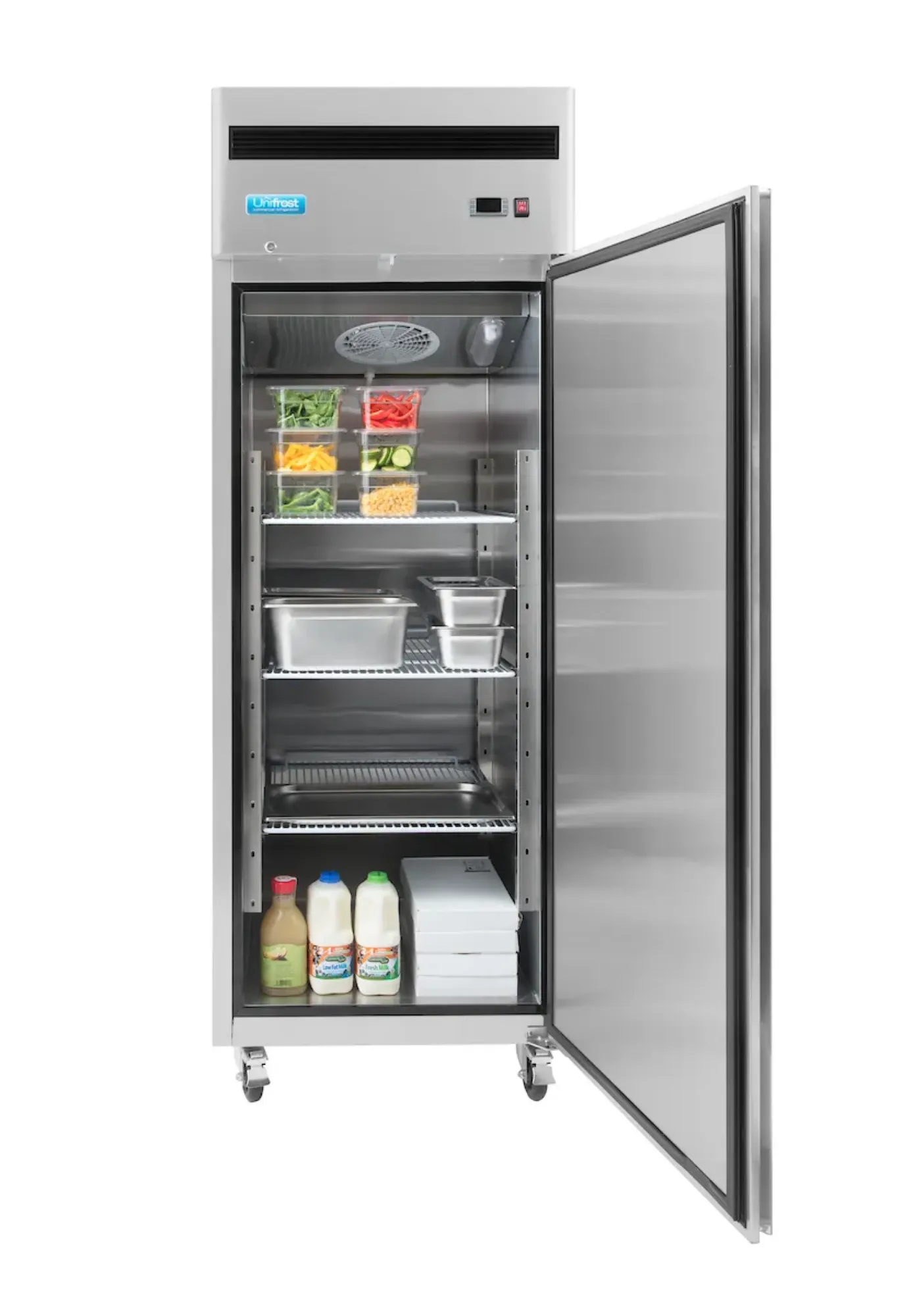
Food safety depends on it. Equipment needs accessible probes, and temperature records are a legal expectation in most countries as part of a documented food safety management system.
Size refrigeration for your busiest day rather than your average one.
Materials and cleaning
Stainless throughout, smooth surfaces, no open joints, and everything dismantlable for cleaning. Wooden and porous surfaces are difficult to justify to an inspector.
Buying used
Commercial kitchens close frequently, so the used market is excellent value. Check service history, parts availability, and that any gas appliance can be commissioned by a registered engineer.
Sizing the kitchen
Plan the layout around the flow from delivery to storage to preparation to service to washing up, since a kitchen that crosses those paths slows every shift and creates contamination risks.
Allow more refrigeration and more hand wash basins than seems necessary.
Buying and finance
Compare the cost of buying outright against leasing, which spreads the cost and includes servicing on some contracts. Check what a warranty covers and how fast an engineer attends, since a failed fridge closes a kitchen.
Keep manuals, serial numbers and service records together, since inspectors and engineers both ask for them.
Training staff
Food hygiene training is a legal expectation and cheap, and allergen training is now required in many jurisdictions after several avoidable deaths.
Small kitchens and start-ups
Shared commercial kitchens, hire and refurbished equipment all reduce the initial outlay considerably. A smaller, well-chosen range beats a large one that does not fit the menu.
Start from the menu and work backwards to the equipment rather than buying first.
Energy
Cooking equipment is a substantial part of a hospitality energy bill. Switching things on when needed rather than at opening time, and servicing seals and thermostats, both reduce it noticeably.
Before you buy
Talk to the environmental health team and your insurer early, since both will tell you what the kitchen needs.
WHERE TO BUY
Ready to shop Caterboss? Use the link below to visit the official store.
→ Shop Caterboss — official site
Visit this site