
sports · Articles
Paddleboarding Safely
Paddleboarding Safely
 Transact Shopping
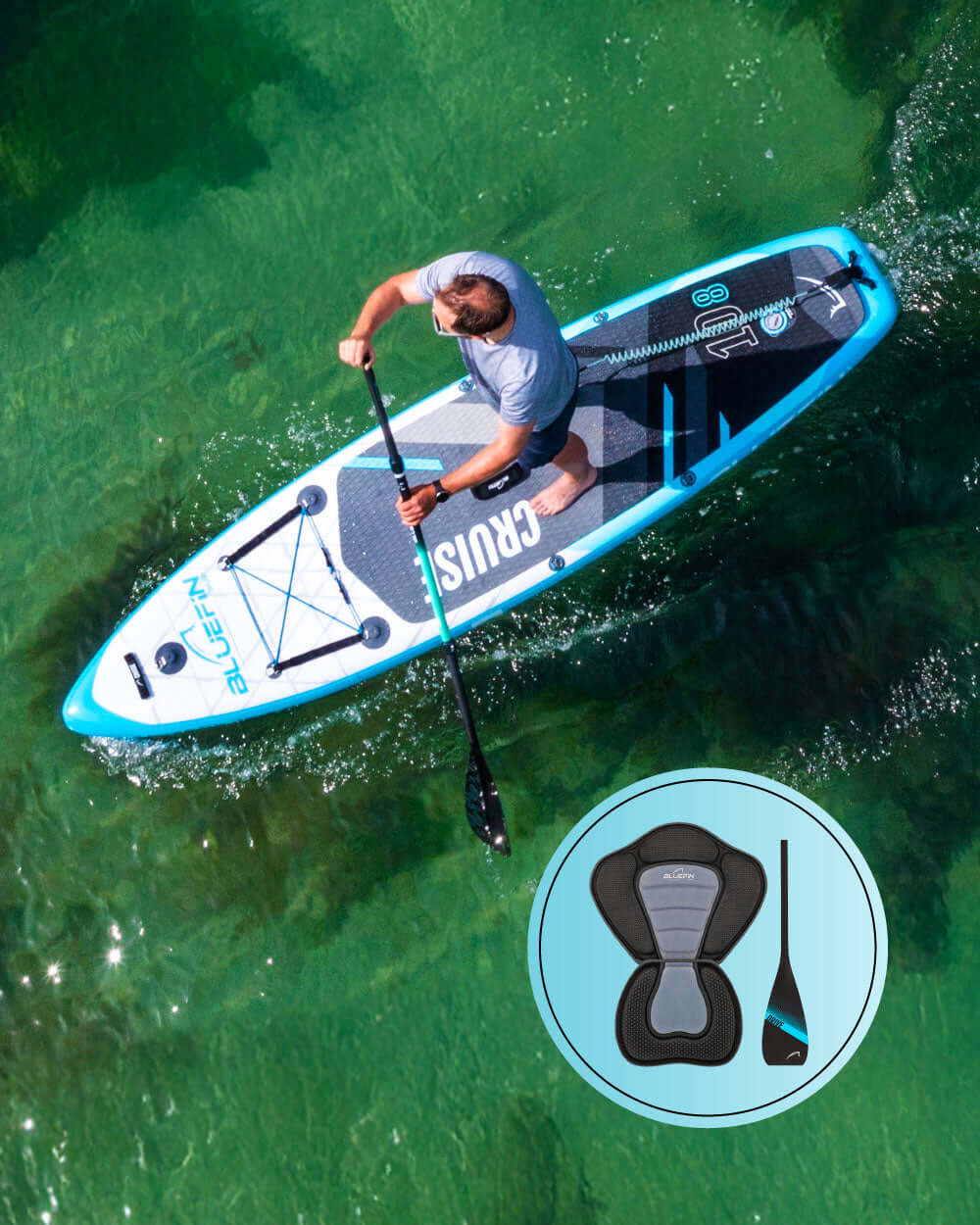
SPORT · UNITED KINGDOM
Paddleboarding Safely
Leashes and buoyancy aids, offshore wind, inflatable boards and getting started
Paddleboarding is easy to start and the risks are not obvious, which is exactly why rescue services issue warnings about it every summer.
Always wear a leash
The board is your buoyancy. Separated from it you are a swimmer in open water, frequently in clothing and frequently tired.
The leash type matters. A waist-worn quick-release leash is essential on rivers and anywhere with moving water, since an ankle leash caught on a submerged obstruction in flow is a drowning risk.
On flat open water, an ankle or calf leash is standard.
Wear a buoyancy aid
A personal flotation device is strongly recommended and in some places required. It matters most in cold water, where the ability to swim drops sharply.
Offshore wind is the danger
Wind blowing from the land out to sea makes paddling out effortless and paddling back impossible. Most rescues follow that pattern exactly.
Check wind direction and forecast before going out, and never paddle in offshore wind. On a lake, check the same thing.
Cold water
Falling into cold water causes an involuntary gasp and rapid breathing that people cannot control. Enter gradually, wear appropriate thermal protection and never assume a warm day means warm water.
Tell someone and carry a means of calling
A phone in a waterproof pouch attached to you, not the board. Tell someone your route and your expected return.
Inflatable boards
Check the recommended pressure, usually 15 to 18 psi, since an underinflated board flexes and is far harder work. Rinse in fresh water and dry before storing.
Where to paddle
Start on flat sheltered water away from boat traffic. Estuaries, tidal water and rivers in spate all carry currents that are far stronger than they look from the bank.
Check tide times where relevant, since a tide turning against you has the same effect as offshore wind.
Storing and transporting
Deflate partially for storage in heat, since air expands and can damage seams. Keep boards out of direct sunlight, which degrades the material and the seams over a few seasons.
What to wear
Quick-drying layers rather than cotton, and a wetsuit or thermal top outside summer. Footwear protects against sharp objects at the launch point.
Sunscreen and a hat, since water reflects ultraviolet and you are exposed for hours with no shade.
With children
Buoyancy aids at all times, stay within your depth and close to shore, and accept that a child on the board is entirely your responsibility to get back to shore.
Learning
A lesson from a recognised provider teaches falling, self-rescue and how to read conditions, all of which are worth more than any equipment.
WHERE TO BUY
Ready to shop Bluefin SUP? Use the link below to visit the official store.
→ Shop Bluefin SUP — official site
Visit this site