
garden · Articles
Pool Cleaning and Water Safety
Pool Cleaning and Water Safety
 Transact Shopping
HOME · GLOBAL
Pool Cleaning and Water Safety
Robotic cleaners, water chemistry, and the safety rules that matter most
A clean pool is mostly a matter of circulation and chemistry, and the cleaning equipment handles what those leave behind.
Supervision comes first
Drowning is quick and silent. Children must be supervised by an adult within arm's reach, and a phone put away, whenever a pool is in use.
A compliant fence with a self-closing self-latching gate on all four sides is the single most effective measure, and in France a private pool must have an approved safety device by law.
Never leave a cleaning robot in the pool while anyone is swimming, and remove floats and toys afterwards so children are not tempted in.
Robotic cleaners
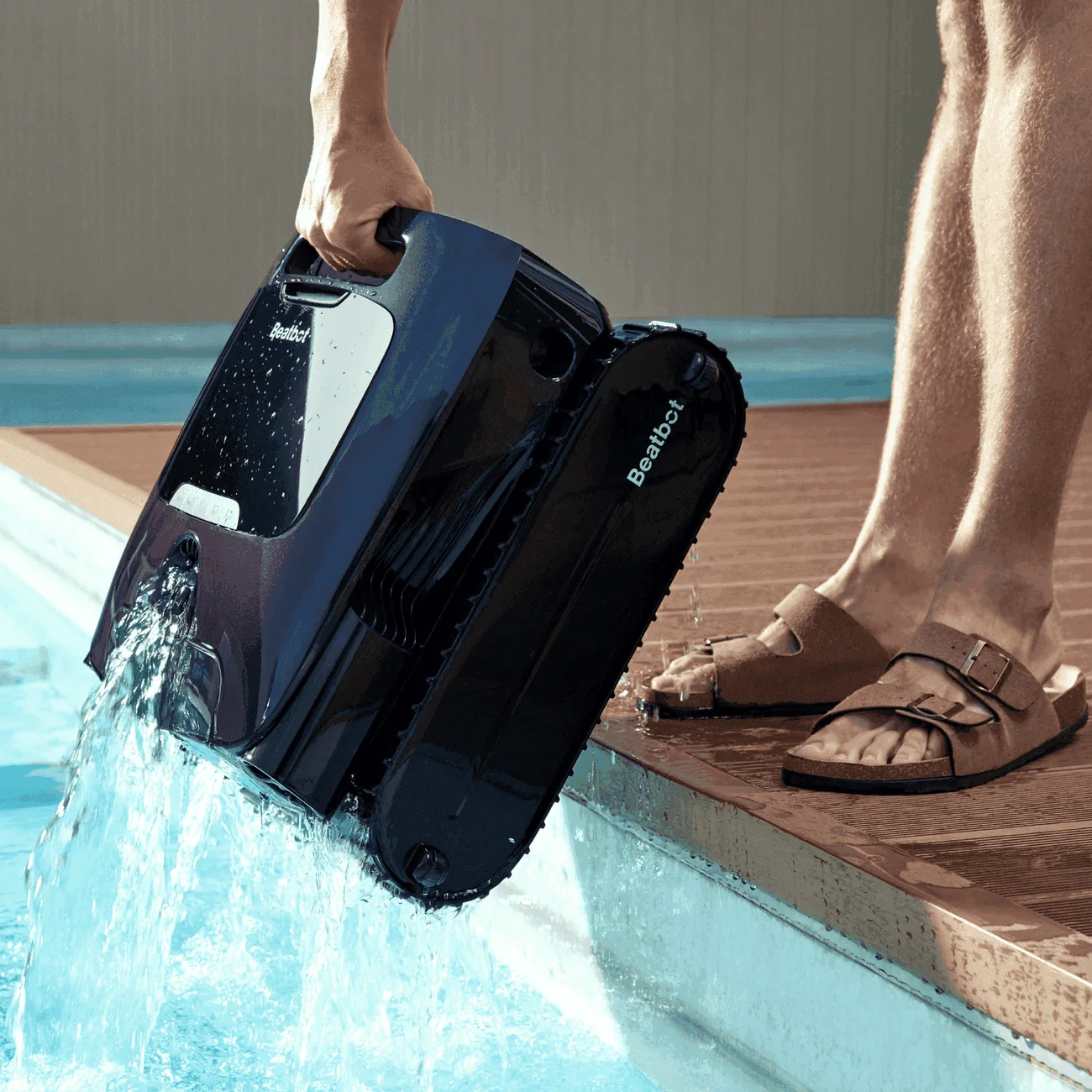
Self-contained units with their own filtration that work independently of the pool pump. They handle floor, walls and waterline depending on the model, and they reduce the load on the main filter.
Check the cable length or battery runtime against the pool size, whether it climbs walls, and how easy the filter basket is to empty, since that is the daily job.
Chemistry does the real work
Test and correct pH first, since sanitiser works poorly outside the correct range. Then sanitiser level, then alkalinity and calcium hardness.
Store chemicals separately, never mix them, and add chemicals to water rather than water to chemicals. Chlorine and acid together release toxic gas.
Circulation and filtration
Run the pump long enough each day to turn the water over, backwash or clean the filter as needed, and skim debris before it sinks.
Electrical safety
Everything around a pool must be RCD protected and suitably rated, and installation belongs with a qualified electrician.
Opening and closing a pool
Balance the water and clean thoroughly before covering for winter, and check the equipment and chemistry before first use in spring. A pool closed dirty is far more work to reopen.
Store chemicals somewhere dry, locked and away from children.
Water testing
Test strips are quick and approximate; liquid test kits and digital testers are more accurate. Test frequently in hot weather and after heavy use or rain, since both change the chemistry quickly.
Write the readings down, since a trend tells you far more than a single measurement.
Hot tubs
Small volumes of warm water need more frequent testing and sanitising than a pool. Follow the temperature guidance, limit time for children and pregnant users, and never use one after drinking alcohol.
Running costs
Heating, pumping and chemicals are the ongoing cost, and a cover reduces all three considerably. Work out the annual figure before installing a pool rather than afterwards.
A heat pump is far cheaper to run than an electric heater and takes longer to bring the water up.
Covers
A cover reduces evaporation, heat loss and chemical use, and a safety cover is not the same as a thermal one.
WHERE TO BUY
Ready to shop Beatbot? Use the link below to visit the official store.
→ Shop Beatbot — official site
Visit this site