
other · Articles
Fabric Softener and What It Actually Does
Fabric Softener and What It Actually Does
 Transact Shopping
HOME · UNITED KINGDOM
Fabric Softener and What It Actually Does
How it works, where it helps and harms, alternatives and sensitive skin
Fabric softener is used almost automatically in many households, and it is genuinely unsuitable for a surprising proportion of what goes in a machine.
How it works
It deposits a thin layer of lubricating compounds onto fibres, which makes them feel smoother and reduces static. That coating is the whole mechanism, and it is also the problem.
Where it should not be used
Towels and anything absorbent, since the coating repels water — this is the main reason towels stop working. Technical and waterproof fabrics, where it destroys wicking and breathability.
Microfibre cloths, which stop working entirely. Flame-retardant children's nightwear, where the coating can reduce the treatment's effectiveness. Wool and silk, which need their own detergent instead.
Where it is fine
Cotton and cotton-blend bedding, shirts and everyday clothes, where it genuinely reduces creasing and static and makes ironing easier.
Sensitive skin
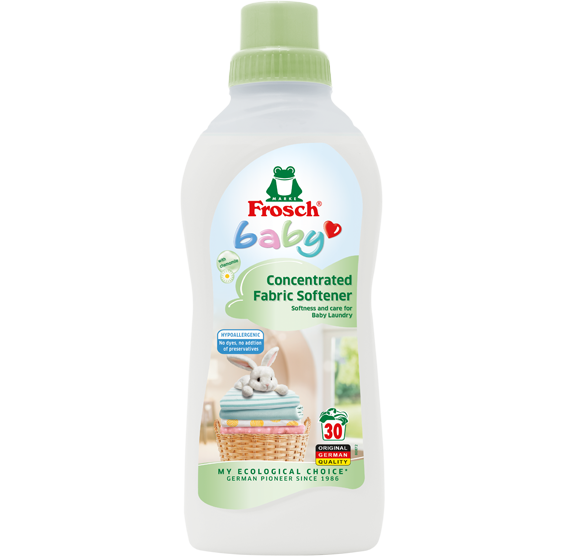
Fragrance in laundry products is a common cause of contact irritation, and the residue stays against skin all day. Fragrance-free softener or none at all is the usual advice for eczema-prone skin and for babies.
Rinse thoroughly and use the correct dose, since residue from over-dosing detergent or softener is itself irritating.
Alternatives
White vinegar in the rinse compartment softens and removes detergent residue without coating fibres, and the smell does not remain. Wool dryer balls reduce static and drying time.
Shaking items out before drying and not over-drying does most of what softener is used for.
Dosing detergent
Most people use too much, which leaves residue that stiffens fabric and irritates skin. Follow the dose for your water hardness and load size, and reduce it if clothes feel stiff or look dull.
Soft water areas need considerably less than the packet suggests.
Washing temperature
Thirty degrees is enough for most everyday laundry and uses considerably less energy. Towels, bedding and anything soiled benefit from sixty periodically, which is also what kills dust mites.
Fill the machine properly, since a half-empty drum uses nearly the same energy as a full one.
Smells in the machine
Low-temperature washing and liquid detergent leave residue that grows bacteria in the drum and the seal. A hot maintenance wash monthly with an empty drum fixes most of it.
Leave the door and the detergent drawer open between washes.
Drying indoors
Drying washing on radiators releases a great deal of moisture into a house and is a leading cause of condensation and mould. Use a heated airer in a ventilated room, or better, an extractor running while it dries.
A higher spin speed removes far more water before drying starts, which shortens the whole process.
Stains
Treat promptly and with cold water for protein stains such as blood and milk, since heat sets them permanently. Check a stain has gone before tumble drying, which fixes anything remaining.
Machine care
Softener residue builds up in dispensers and hoses. Run a hot maintenance wash monthly and clean the drawer.
WHERE TO BUY
Ready to shop Bazta? Use the link below to visit the official store.
→ Shop Bazta — official site
Visit this site