
beauty · Articles
Skin Around Menopause and Later Life
Skin Around Menopause and Later Life
 Transact Shopping
BEAUTY · GLOBAL
Skin Around Menopause and Later Life
What changes and why, what helps, when to see a doctor and sun
Skin changes noticeably around menopause, and the reasons are specific enough that the responses can be too.
What changes
Falling oestrogen is associated with a measurable loss of skin collagen in the years after menopause, alongside reduced oil production, slower wound healing and thinner skin.
In practice that means dryness, more visible lines, less firmness, easier bruising and sometimes adult acne or new sensitivity.
What helps
Daily broad-spectrum sunscreen, since cumulative sun exposure drives most visible ageing. A retinoid, which has the strongest evidence of any topical for lines and texture, introduced slowly.
A richer moisturiser containing ceramides, glycerin and an occlusive, applied to damp skin. Gentle cleansing rather than foaming products that strip.
Vitamin C in the morning and niacinamide both have reasonable supporting evidence.
The rest of the body
Skin is drier everywhere. An emollient after showering, shorter and cooler showers, and treating itching rather than living with it, since persistent itching has causes worth investigating.
When to see a doctor
Hormone replacement therapy is a decision to discuss with a clinician and is not prescribed for skin alone. Vaginal dryness and urinary symptoms are common, treatable and under-reported — raise them.
Any mole that changes, a sore that does not heal, or new persistent itching warrants prompt assessment.
Introducing a retinoid
Start twice a week on dry skin after cleansing, build up slowly, and moisturise over it. Expect some dryness and flaking in the first weeks, which settles, and use sunscreen daily since retinoids increase sun sensitivity.
Do not use one during pregnancy or while trying to conceive.
Sensitivity
Skin can become reactive with age. Simplify the routine, avoid fragrance and alcohol-heavy products, and introduce one product every four weeks.
Hair and nails
Thinning and brittleness are common around menopause and have several causes worth investigating, including thyroid problems and iron deficiency.
Body and bones
Strength training twice a week, adequate protein and calcium, and vitamin D in winter matter more for health after menopause than anything applied to skin. Bone loss accelerates in the years after the final period.
Speak to a GP about bone health, particularly with a family history of fractures.
Sleep and skin
Sleep is frequently disrupted around menopause, and poor sleep shows in skin quickly. A cool dark room, consistent wake times and caffeine stopped by early afternoon help, and persistent problems are worth raising with a GP.
Night sweats respond to breathable bedding and layered covers you can adjust.
Give any new routine three months before judging it.
The basics
Sleep, not smoking and strength training matter more than any product.
WHERE TO BUY
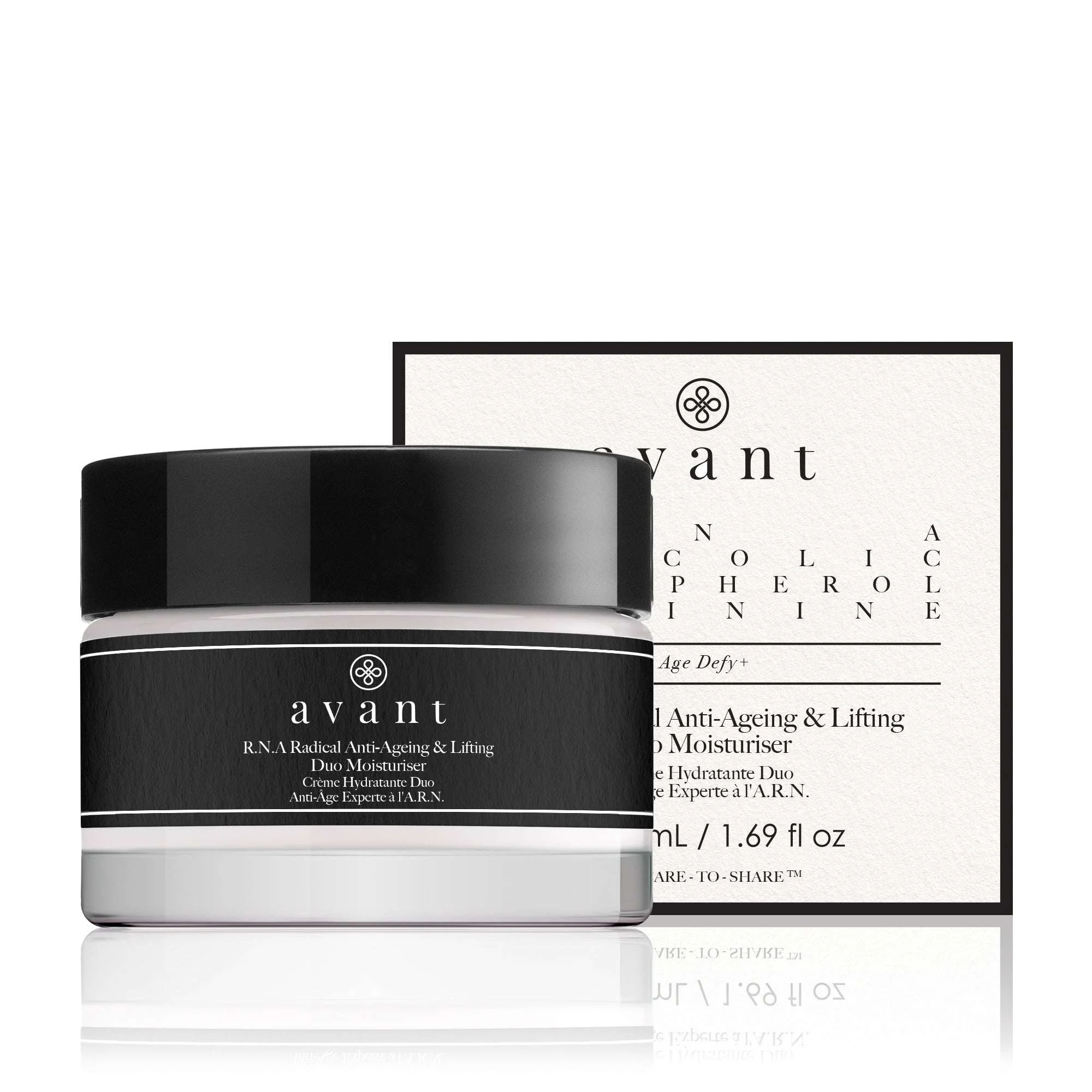
Ready to shop Avant Skincare? Use the link below to visit the official store.
→ Shop Avant Skincare — official site
Visit this site