auto · Articles
Equipping a Four-Wheel Drive Properly
Equipping a Four-Wheel Drive Properly
 Transact Shopping
AUTOMOTIVE · GLOBAL
Equipping a Four-Wheel Drive Properly
Tyre pressures and compressors, recovery gear, weight limits and driving off road
Off-road equipment is bought for capability and used at the point where something has already gone wrong, so the recovery items matter more than the visible accessories.
Tyre pressure is the first tool
Lowering pressure lengthens the contact patch and transforms traction on sand, mud and rock. It also makes the tyre vulnerable to damage and must be raised again before returning to the road.
That is why an on-board compressor is the most used accessory on most vehicles. Check the duty cycle and the air delivery rate rather than the headline pressure.
Recovery equipment
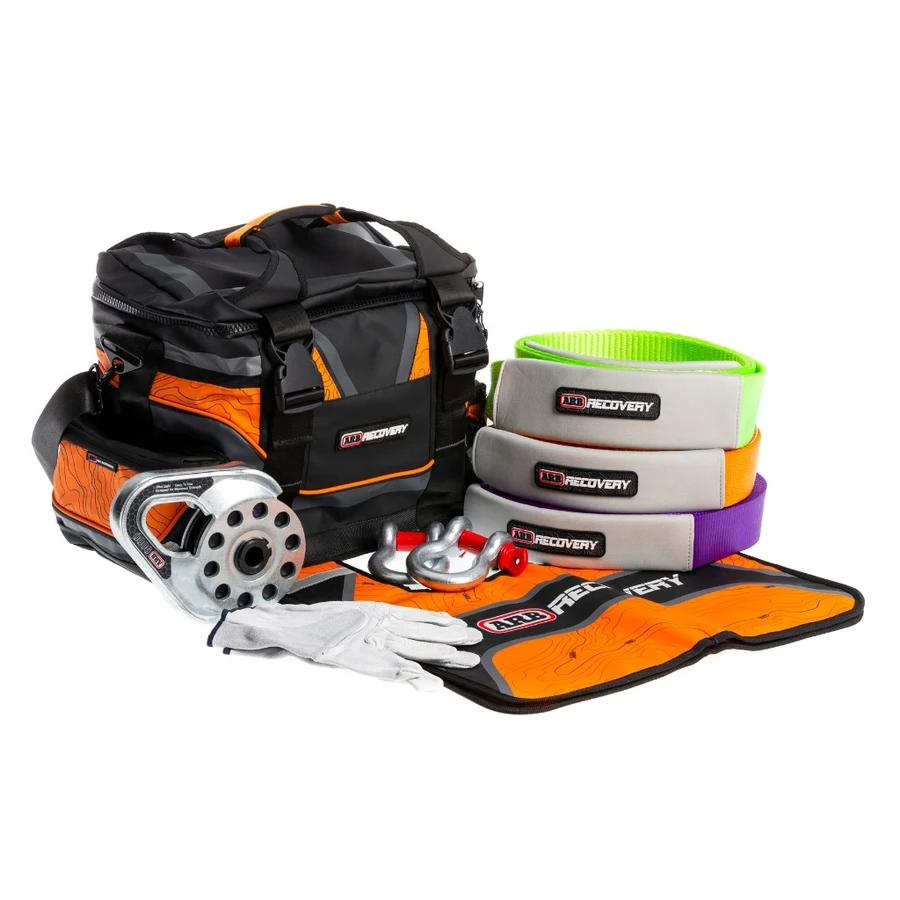
Rated recovery points bolted to the chassis rather than tie-down eyes, which are not rated for recovery and have killed people when they failed. A kinetic rope, rated shackles, a shovel and traction boards.
Never use a tow ball as a recovery point. Use a damper over any strap or rope under load, and keep everyone well clear of the recovery zone.
Learn the technique before you need it. A recovery course is genuinely worth doing.
Weight is the hidden limit
Bull bars, drawers, roof tents, water and fuel add up quickly, and gross vehicle mass limits are legal limits as well as engineering ones. Overloading affects braking, handling and insurance.
Weigh the loaded vehicle at a public weighbridge rather than estimating.
Suspension and load
Constant load needs suspension rated for it. Standard springs sag under permanent weight, which ruins handling and wears components.
Driving off road
Stay on designated tracks, since off-piste driving damages habitats and is illegal in many places. Travel with another vehicle where you can, and tell someone your route.
Compressors and tyres
Note your on-road pressures before deflating, and carry a reliable gauge rather than trusting the compressor's own readout. Re-inflate fully before returning to tarmac, since underinflated tyres overheat at speed.
Check tyre load ratings when fitting larger or all-terrain tyres, since the vehicle's plated weights still apply.
Camping from a vehicle
Secure everything inside, since loose items become projectiles in a collision. Never run a fuel-burning stove or heater inside a vehicle or a rooftop tent.
Driving technique
Momentum is not a substitute for line choice, and most damage happens from carrying too much speed into an obstacle. Walk anything you cannot see the bottom of, particularly water.
Engage low range early rather than when already stuck, and keep thumbs outside the steering wheel on rough ground.
Environment and access
Stick to designated green lanes and tracks, check the legal status of a route before driving it, and leave gates as you find them.
Back on tarmac
Re-inflate, re-torque wheel nuts and check for damage underneath.
WHERE TO BUY
Ready to shop ARB 4X4? Use the link below to visit the official store.
→ Shop ARB 4X4 — official site
Visit this site