
home · Articles
Buying Built-In Kitchen Appliances
Buying Built-In Kitchen Appliances
 Transact Shopping
HOME · GLOBAL
Buying Built-In Kitchen Appliances
Measuring apertures, integrated and built-under, installation and specifications
Built-in appliances are bought to dimensions rather than to taste, and a few millimetres is the difference between a fitted kitchen and an expensive problem.
Measure the aperture, not the appliance
The housing opening height, width and depth, plus the depth available behind for services. European standard widths are 60cm and 45cm, and actual apertures vary between kitchen manufacturers.
Check the required ventilation gaps, which are part of the aperture dimension rather than optional. An appliance without airflow overheats and fails.
Integrated and built-under
Integrated appliances take a decor door and disappear. Built-under sit beneath a worktop with their own visible front. Fully integrated fridges and dishwashers need a specific door-fixing method — sliding hinge or fixed.
Check which your kitchen uses, since the two are not interchangeable and the door weight limit matters.
Ovens and hobs
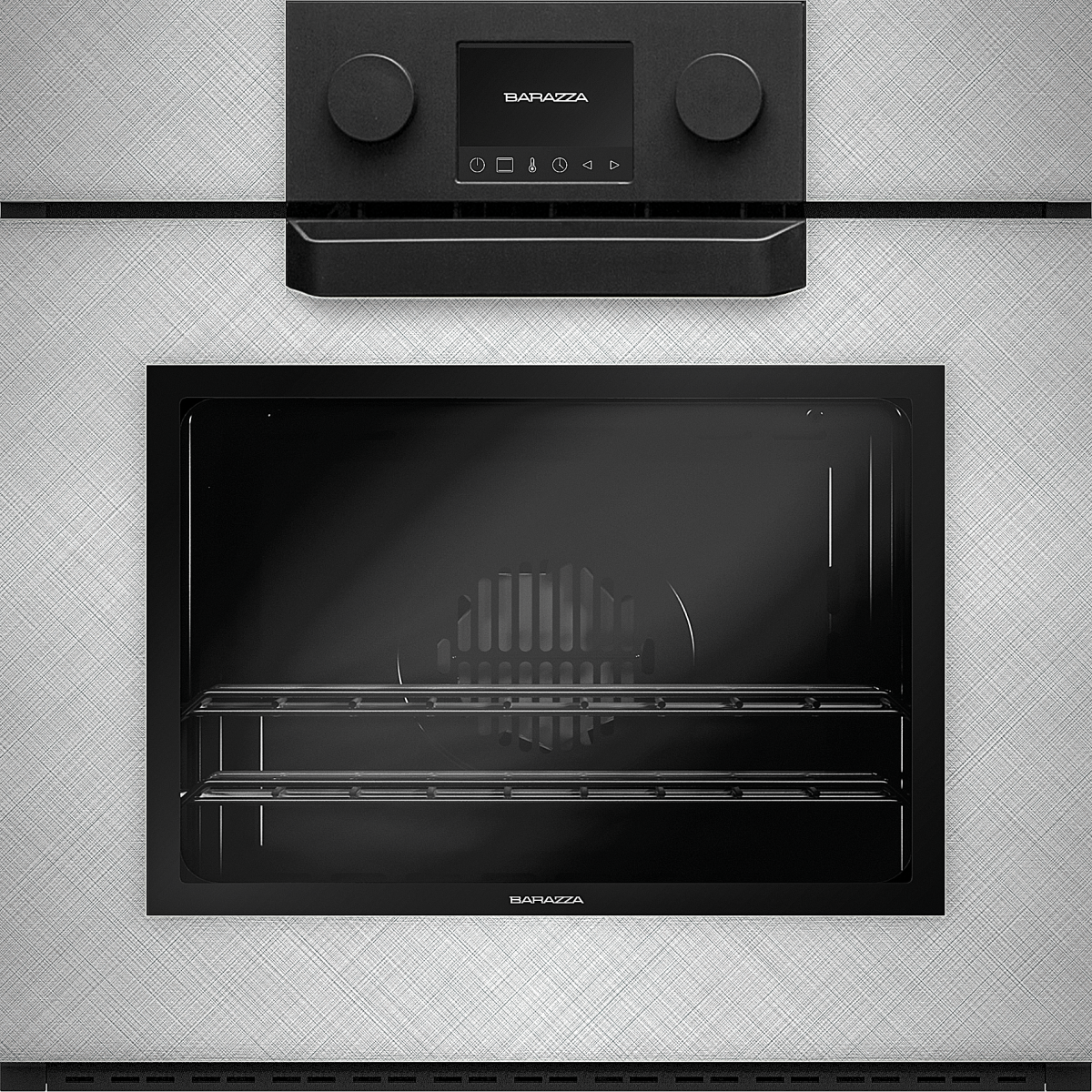
Ovens are sold by cavity volume, and a large advertised capacity may have awkward shelf spacing. Check the usable shelf positions and whether the door drops down or opens sideways, which matters in a narrow galley.
Induction hobs need a dedicated high-current circuit installed by a qualified electrician, not a standard socket.
Extraction
Extracting to outside works considerably better than recirculating through a filter. Check the extraction rate against the room size and whether a duct route exists.
Installation and regulations
Gas work must be done by a registered engineer by law, and most fixed electrical work in a kitchen is notifiable. Confirm whether delivery includes installation and removal of the old appliance.
Delivery and old appliances
Measure the route in as well as the aperture, including stair turns and door widths. Confirm whether delivery is into the room and whether the old appliance is taken away.
Retailers are generally obliged to take back an old appliance when supplying a new one, and old units must go to electrical recycling rather than a skip.
Choosing on running cost
Compare the stated annual consumption in kilowatt hours and multiply by your unit rate, since the difference over ten years frequently exceeds the difference in purchase price.
Fridges and freezers run continuously and are where efficiency matters most, so compare those figures carefully.
Warranties and repairs
Check the warranty length, whether registration is needed, and whether spare parts are available, which is now required for several appliance categories in the UK and EU.
Ordering and timing
Order everything before a kitchen fit begins, since a missing appliance holds up worktops and plumbing. Check lead times, which run to weeks on some models.
Keep the packaging until everything is installed and tested.
Buying
Compare the stated annual energy consumption rather than the letter grade alone, and check the noise rating for an open-plan kitchen.
WHERE TO BUY
Ready to shop Appliance Superstore? Use the link below to visit the official store.
→ Shop Appliance Superstore — official site
Visit this site