
jewellery · Articles
Coloured Gemstones: Quality and What Affects Price
Coloured Gemstones: Quality and What Affects Price
 Transact Shopping
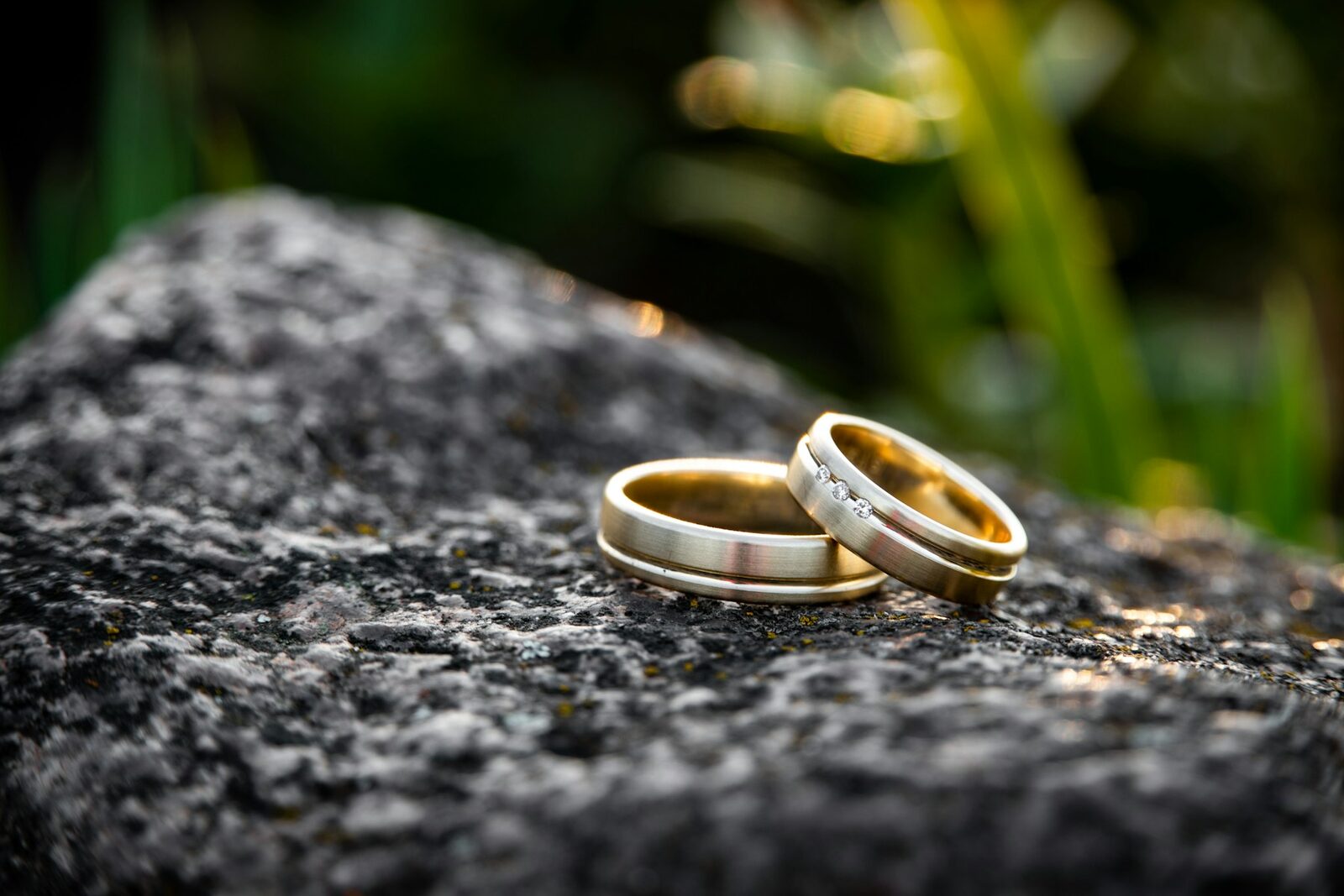
Coloured stones are graded differently from diamonds, and the factor that dominates price is not the one most people expect. Colour does most of the work.
Colour is the main driver
Hue, tone and saturation together determine most of a coloured stone's value. A vivid, evenly saturated stone that is neither too dark nor too pale commands a substantial premium over a similar stone that is slightly off.
That is why two sapphires of identical size and clarity can differ enormously in price.
Clarity expectations differ by stone
Emeralds almost always contain inclusions, and an eye-clean emerald is rare and priced accordingly. Sapphires and rubies are expected to be cleaner.
Judge clarity against what is normal for that stone rather than against diamond standards.
Cut
Coloured stones are cut to show colour rather than to a fixed formula. A well-cut stone is lively across the whole face; a poorly cut one has a dull window in the centre where light passes straight through.
Treatments are standard
Heat treatment of sapphire and ruby is routine and permanent. Emeralds are commonly filled with oil or resin to reduce the appearance of fractures, which is accepted practice and affects how they should be cleaned.
Ask what treatment a stone has had. Untreated stones of good colour are considerably rarer and more expensive.
Origin
Certain origins carry a premium — Kashmir and Burmese sapphire, Colombian emerald. Origin is determined by laboratory analysis and is worth paying for only if the stone is significant.
Certification
For anything of real value, buy with an independent laboratory report stating species, treatment and, where relevant, origin.
Birthstones and coloured engagement rings
Sapphire and ruby are hard enough for a ring worn every day. Emerald, opal and pearl are not, however appealing the colour, and a pendant suits them far better.
Check the setting protects the stone rather than exposing its edges.
Buying online
Colour is unreliable on a screen and varies between monitors. Buy from somewhere with straightforward returns and look at the stone in daylight before deciding.
Cleaning by stone
Warm soapy water and a soft brush suits sapphire, ruby and other hard stones. Porous and treated stones should be wiped with a slightly damp cloth and nothing else.
Store pieces separately so harder stones do not scratch softer ones.
Insurance
Contents policies cap jewellery at a low figure, so anything significant needs listing individually. Keep the laboratory report and receipt somewhere separate from the piece.
Care
Never use an ultrasonic cleaner on emerald, opal, turquoise or any fracture-filled stone. Warm soapy water and a soft brush suits harder stones.