
other · Articles
Buying Second-Hand Books
Buying Second-Hand Books
 Transact Shopping
LIFESTYLE · GLOBAL
Buying Second-Hand Books
Condition grading, what to check, where books come from and looking after them
Second-hand books cost a fraction of new and the trade has its own vocabulary, which makes online listings easier to read once you know it.
Condition grading
As new means essentially unread. Very good has minor shelf wear. Good shows honest use — a creased spine, a name inside. Acceptable means complete and readable with significant wear.
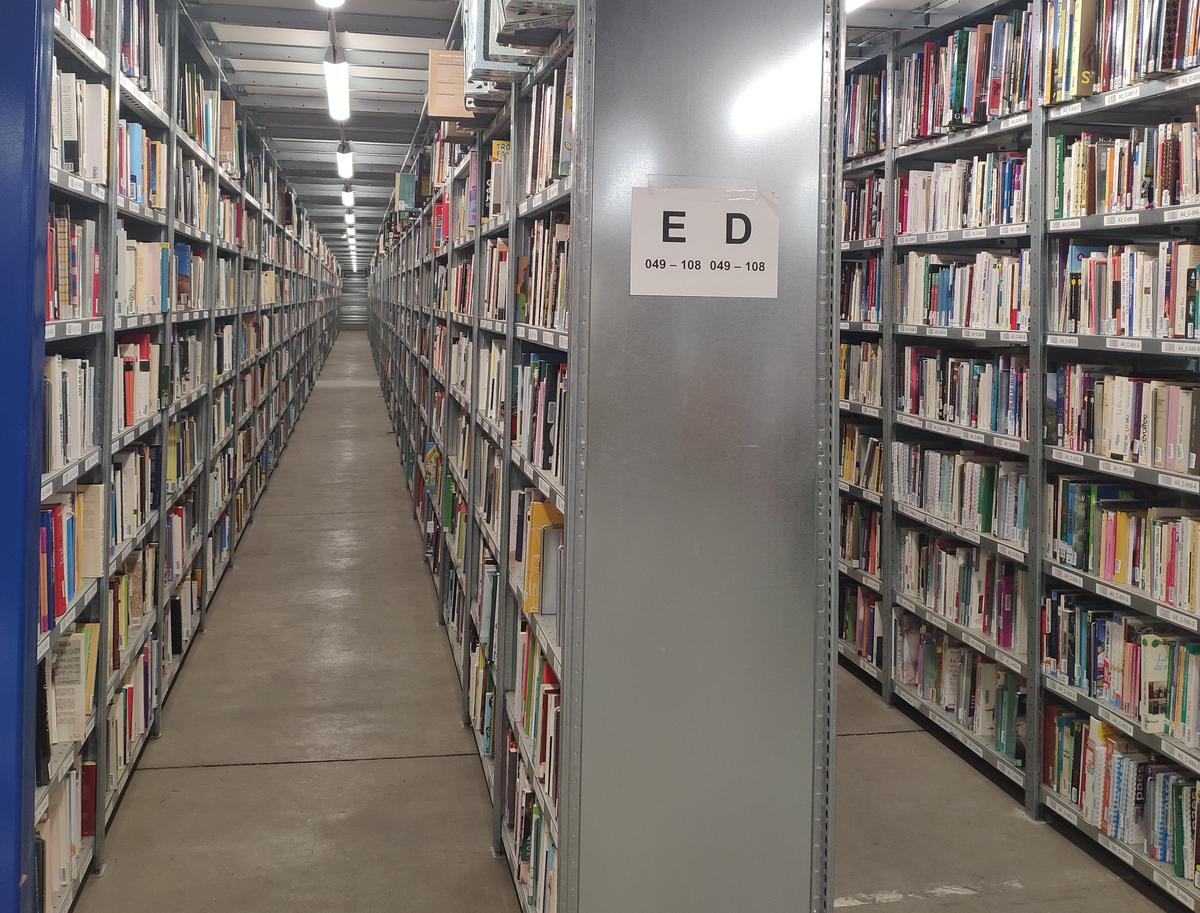
Ex-library copies are usually sound and carry stamps, stickers and a reinforced cover. Sellers should state markings, underlining and whether a dust jacket is present.
What to check in a listing
The edition and printing, since a photograph is frequently a stock image. For textbooks, the edition number matters because page references and problem sets change.
For anything collectable, ask about the dust jacket, the printing line and whether there are inscriptions, since those change value considerably.
Where they come from
Charity shops, library disposals, house clearances and donation schemes. Some sellers are social enterprises returning a share to charities or literacy programmes, which is worth checking if that is part of why you are buying.
Why it is worth doing
A book already printed has no further manufacturing footprint, and buying used keeps books circulating rather than pulped. It also puts out-of-print titles back within reach.
Libraries do the same thing for nothing, and borrowing generates a payment to the author in many countries.
Looking after them
Out of direct sunlight, which bleaches spines, and away from damp, which foxes pages. Shelve upright rather than leaning, and do not pack a shelf so tightly that spines are damaged pulling one out.
Textbooks and students
Check the edition against the reading list before buying, since page references and problem sets change between editions and lecturers cite specific ones. An older edition is frequently fine for background reading and not for set exercises.
University libraries hold most set texts, and buying second-hand at the start and selling at the end of the year costs very little overall.
Building a library
Buy what you will reread or refer back to, and borrow the rest. Shelf space is the limit most people hit rather than money.
Note what you own somewhere searchable, which prevents duplicate purchases.
Reading more
Keep the book visible rather than in a drawer, read at a fixed time, and allow yourself to abandon anything you are not enjoying at page fifty. Finishing out of obligation is what stops people reading.
Audiobooks and e-books count, and library apps lend both free.
Keep a note of what you own, which prevents buying the same book twice.
Passing them on
Charity shops, book exchanges and street libraries all take them.
WHERE TO BUY
Ready to shop Ammareal? Use the link below to visit the official store.
→ Shop Ammareal — official site
Visit this site