
other · Articles
Buying Light Bulbs
Buying Light Bulbs
 Transact Shopping
HOME · GLOBAL
Buying Light Bulbs
Lumens and colour temperature, fittings, dimming and lighting a room
Bulbs are still bought by wattage out of habit, and watts describe power drawn rather than light produced.
Lumens, not watts
Lumens measure light output. As a rough guide, an old 60 watt filament bulb is around 800 lumens and a 100 watt around 1500. A modern LED produces that for a fraction of the power.
Compare lumens between bulbs and check the beam angle for spotlights, since a narrow beam concentrates the same lumens into a smaller area.
Colour temperature
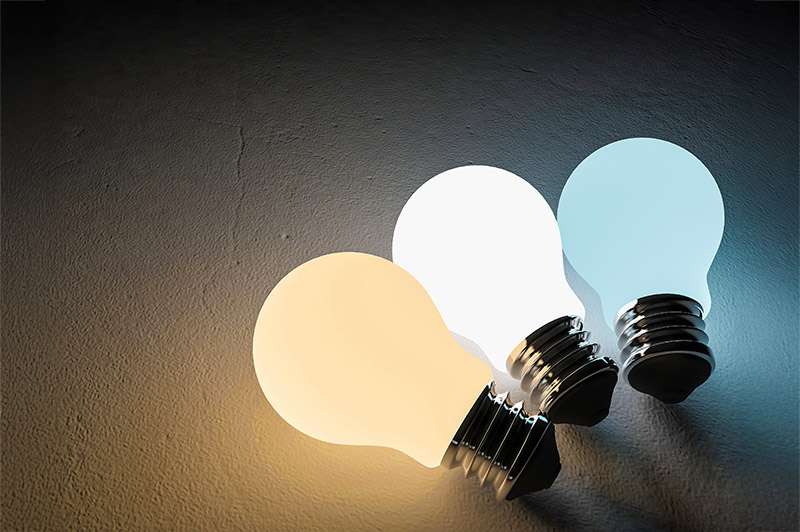
Around 2700K is warm white and suits living rooms and bedrooms. 3000K suits kitchens and bathrooms. 4000K and above reads clinical at home and suits garages and workshops.
Keep it consistent within a room, since mixing warm and cool is why lighting frequently looks wrong.
Colour rendering
A CRI above 90 makes food, skin, artwork and fabric look natural. Cheap bulbs with low CRI make everything look slightly grey, and this is the specification people notice without being able to name.
Fittings
Check the cap — B22 bayonet, E27 or E14 screw, GU10 for mains spotlights, G9 for small capsules. Check the physical size too, since some LED bulbs are longer than the filament bulbs they replace and will not fit a shade.
Dimming
The bulb must say dimmable and the dimmer must be rated for LED loads. An old dimmer designed for filament bulbs causes flicker and buzzing, which is almost always the cause of both.
Smart bulbs
Useful for lamps without a convenient switch and for schedules. Check the bulb still works from the physical switch, since anyone in the house needs to turn a light on without an account.
A smart bulb behind a switch that gets turned off is simply an expensive bulb.
Outdoors
Check the fitting's IP rating and use bulbs suited to cold, since some LEDs dim or flicker below freezing. Aim light downwards to reduce glare and light pollution.
Fittings and heat
LEDs dislike enclosed fittings, where trapped heat shortens their life considerably. Check whether a bulb is rated for enclosed use before putting it in a sealed lantern or a downlight.
Integrated LED fittings cannot be re-lamped, which means replacing the whole fitting when the LED fails.
Buying
Buy one first to check the colour and brightness in the room before replacing every bulb in a house, since colour reads differently on different walls.
Lifespan
LEDs last years and fail early in hot enclosed fittings. Check the stated hours and the warranty.
Old bulbs go to recycling rather than household waste.
WHERE TO BUY
Ready to shop Lightbulbs Direct? Use the link below to visit the official store.
→ Shop Lightbulbs Direct — official site
Visit this site