
food · Articles
Understanding Good Chocolate Before You Buy It
Understanding Good Chocolate Before You Buy It
 Transact Shopping
FOOD · GLOBAL
Understanding Good Chocolate Before You Buy It
Cocoa percentage, ingredient lists and why the cheap stuff tastes different
Chocolate spans an enormous quality range under a single word, and the differences are measurable rather than subjective. Two bars at very different prices can share almost nothing in composition, and the label tells you which you are holding if you know the three things to look at.
Cocoa percentage is not a quality score
The percentage tells you how much of the bar comes from the cocoa bean — both solids and butter. A higher number means less sugar and a more intense flavour, not necessarily a better bar.
Around seventy percent is the range most people find balanced in dark chocolate. Above eighty-five becomes genuinely bitter and is an acquired preference. Good milk chocolate sits around thirty to forty, which is far higher than mass-market milk chocolate, where the figure is often in the twenties.
Check what the fat is
Proper chocolate uses cocoa butter, the fat naturally present in the bean. Cheaper products substitute vegetable fats such as palm or shea, which cost less and melt differently. This is the single largest reason inexpensive chocolate has a waxy texture and coats the mouth rather than melting cleanly.
Cocoa butter melts at just below body temperature, which is why good chocolate melts on the tongue. That is a physical property, not a marketing claim, and it is immediately noticeable once you know to look for it.
A short ingredient list is a good sign
Fine chocolate often lists four ingredients: cocoa mass, cocoa butter, sugar and sometimes vanilla or lecithin. If sugar appears first, it is the largest component by weight — standard for mass-market milk chocolate, unusual in anything better.
Single origin and blends
Single-origin bars come from beans grown in one region and carry distinct flavour characteristics — fruit and acidity from some origins, earth and nuts from others. Blends combine origins for consistency, which is why mass-market chocolate tastes the same every year.
Neither is better. Single origin is more interesting; blends are more reliable. If you have never tried the former, it is the clearest demonstration that chocolate has terroir in the way wine does.
Buying as a gift
Choose milk or a mid-range dark around sixty to seventy percent unless you know the recipient's preference specifically. Very high percentage bars are a minority taste and a poor guess for someone whose palate you do not know.
Check delivery timing in warm months, since chocolate can suffer in transit. Many chocolatiers use insulated packaging in summer, and it is worth confirming before ordering.
Storage and serving
Store between fifteen and twenty degrees, away from strong smells, since cocoa butter absorbs odours readily. Never refrigerate: condensation draws sugar to the surface and produces the white bloom people mistake for mould.
Let chocolate come to room temperature before eating. Cold chocolate barely releases its aroma, and most of what you perceive as flavour is aroma.
As a gift it is close to universally safe — but check for nut traces, which appear as cross-contamination warnings on most artisan production.
WHERE TO BUY
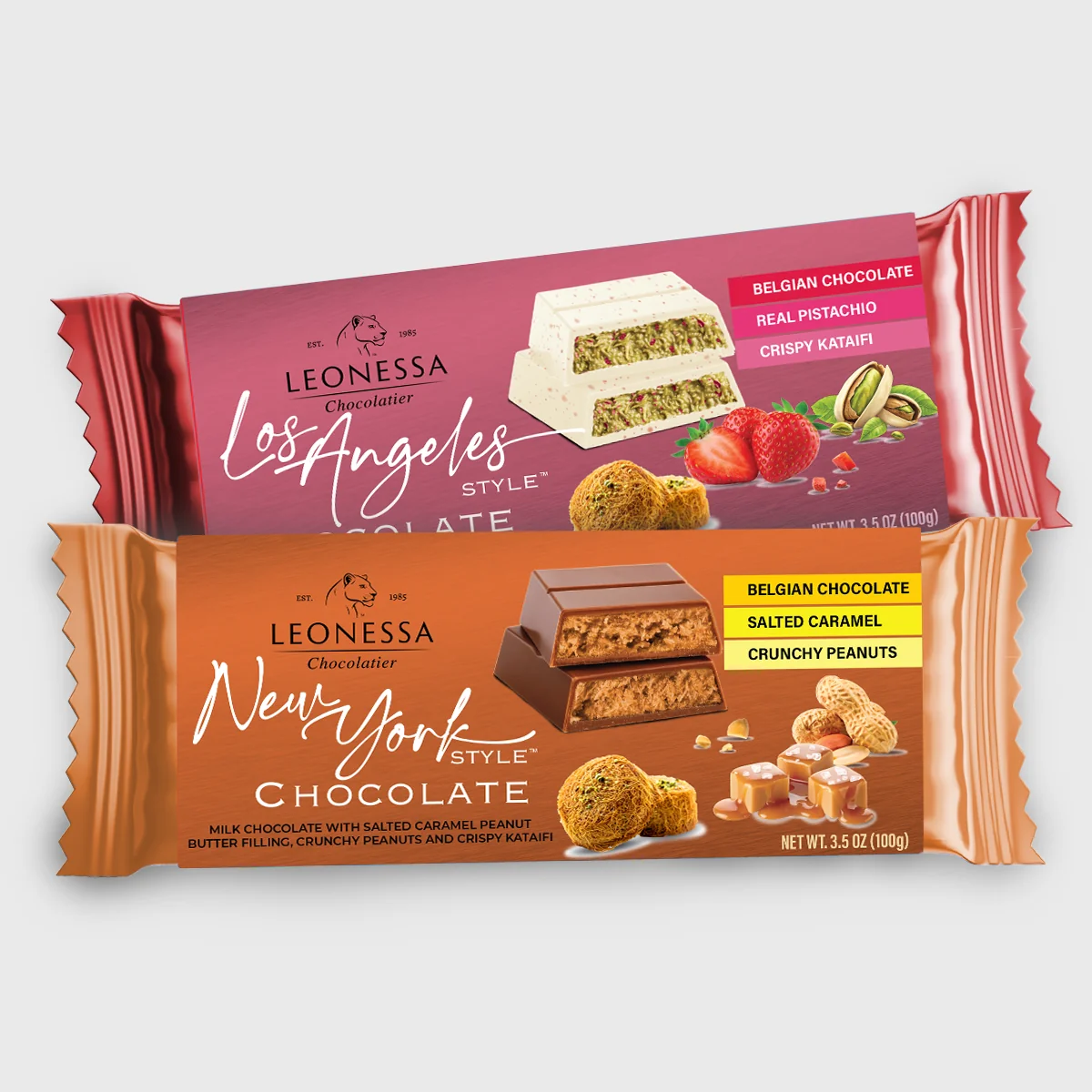
Ready to shop Leonessa Chocolatier? Use the link below to visit the official store.
→ Shop Leonessa Chocolatier — official site
Visit this site