
electronics · Articles
Choosing a Head Torch That Is Actually Worth Owning
Choosing a Head Torch That Is Actually Worth Owning
 Transact Shopping
OUTDOOR · UNITED KINGDOM
Choosing a Head Torch That Is Actually Worth Owning
Lumens, beam type and the specification that matters more than brightness
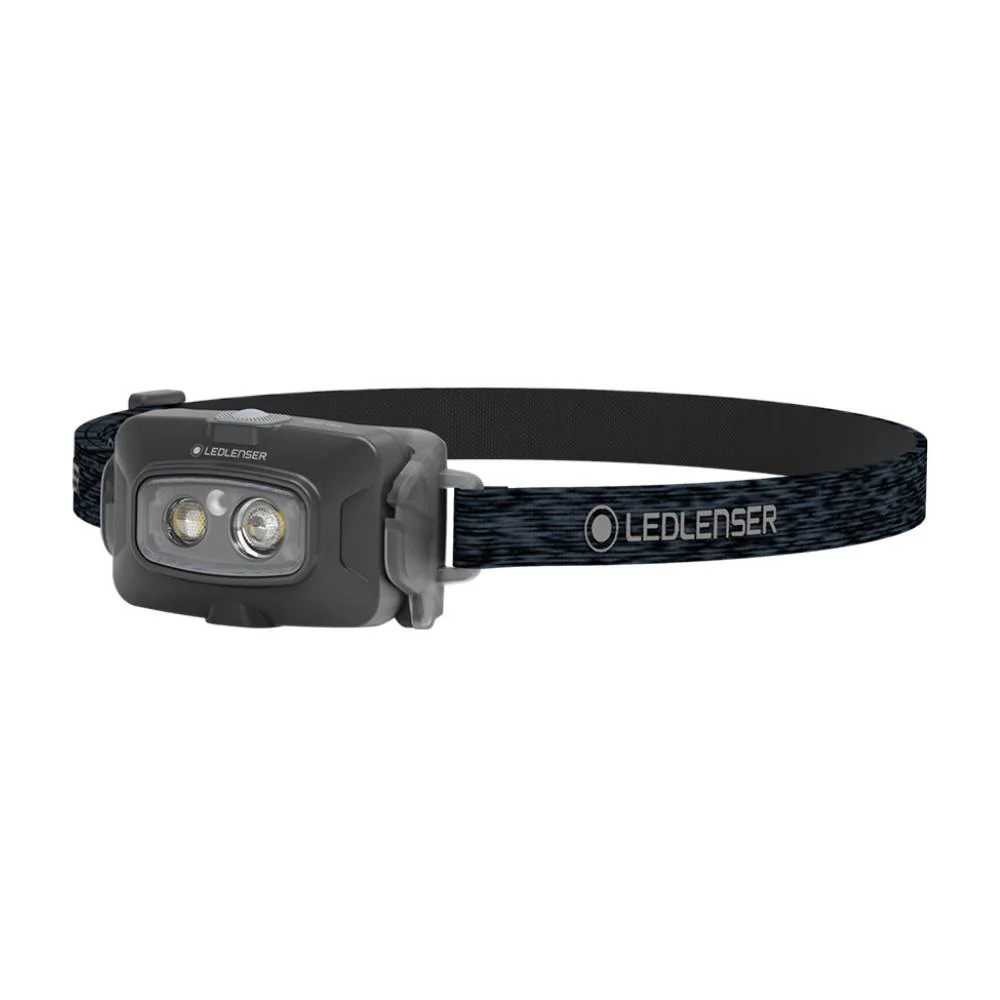
Head torches are bought on one number — lumens — and that number is the least useful thing on the box. A 2000-lumen torch that runs for forty minutes and blinds everyone you talk to is worse in almost every real situation than a 200-lumen torch that runs all night. Ledlenser's range is built around that distinction.
Lumens versus runtime
Peak brightness is almost always quoted at the highest setting, which is also the setting that empties the battery fastest. The number you actually want is runtime at a usable everyday level, typically somewhere between 100 and 300 lumens, which is plenty for walking, camping and working in the dark.
Most good torches will run for many hours at that level and only minutes at maximum. Treat maximum as an emergency setting rather than a normal one.
Beam type matters more than power
A flood beam spreads wide and close, which is what you want for cooking, reading a map, fixing something or working in a confined space. A spot beam throws far and narrow, which is what you want for finding a path or looking across distance.
Ledlenser's advanced focus system lets you slide between the two on a single torch, which removes the need to choose. On models without it, decide honestly which you will use ninety percent of the time and buy for that.
Rechargeable or replaceable
Rechargeable is cheaper over time, lighter and better for regular use. Replaceable batteries are better for expeditions and emergency kits, where a charging point may not exist and a spare set of cells solves everything. Some models take both, which is the sensible compromise if you want one torch for both roles.
The features that earn their place
A red light mode preserves night vision and does not wake everyone in a tent, which makes it far more useful than it sounds. A rear light is genuinely important if you walk or run near roads. A lock function stops the torch switching on inside a rucksack and arriving flat.
Check the IP rating too. IPX4 handles rain, IPX7 survives brief submersion. For anything outdoors, IPX4 is the realistic minimum.
Weight and where it sits
A head torch is worn on your head for hours, so weight distribution matters as much as total weight. Compact models put everything at the front, which is fine up to a point. Heavier models move the battery to a rear compartment, balancing the load and stopping the strap sliding down your forehead.
Try the headband adjustment before committing to a long trip. A torch that needs constant repositioning is one you stop wearing, regardless of how good the beam is.
Who needs one
Anyone who camps, runs in winter, walks a dog after dark, works on a car, or owns a loft. A head torch is the one light that leaves both hands free, and once you own a good one you will find it replaces every handheld torch in the house.
WHERE TO BUY
Ready to shop Ledlenser? Use the link below to visit the official store.
→ Shop Ledlenser — official site
Visit this site