
kids · Articles
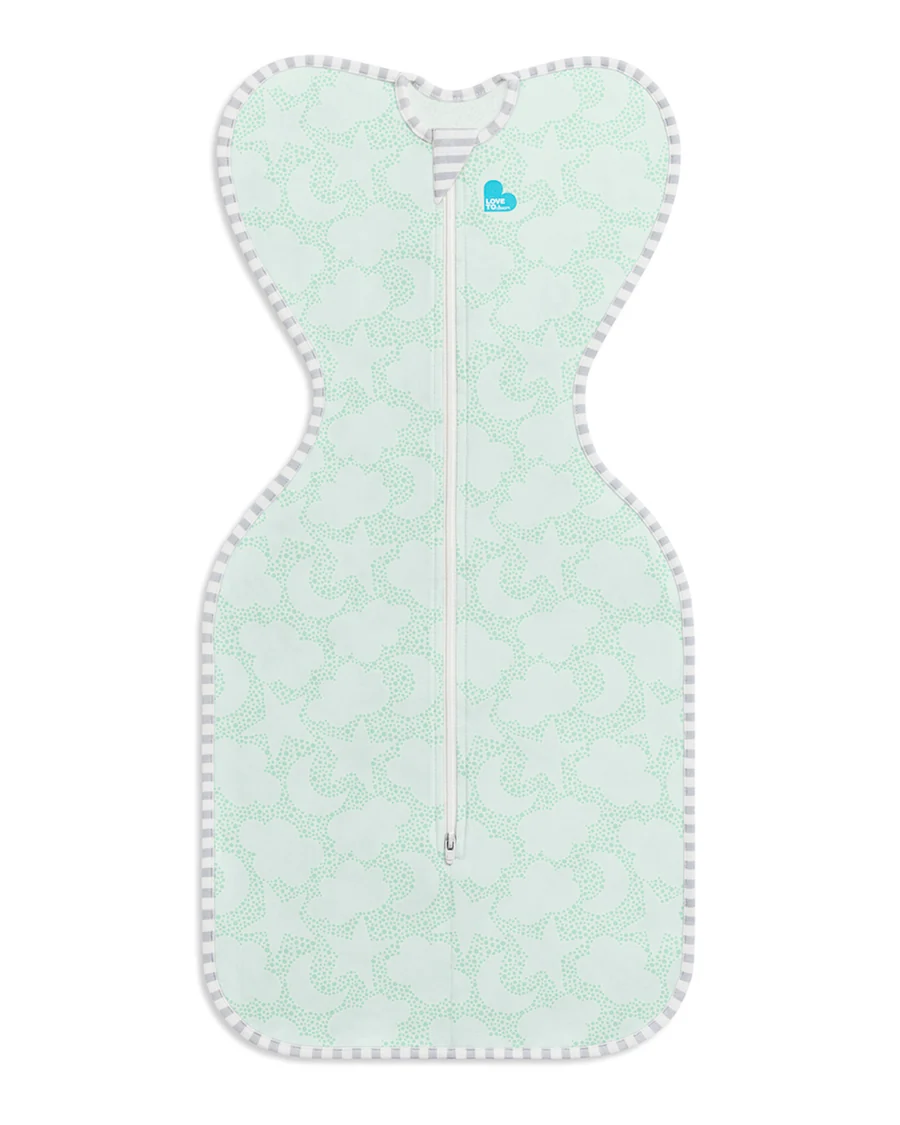
Swaddles and Sleep Sacks: Doing It Safely
Swaddles and Sleep Sacks: Doing It Safely
 Transact Shopping
FAMILY · GLOBAL
Swaddles and Sleep Sacks: Doing It Safely
Why swaddling is used, hip safety, when to stop, and the safe sleep rules
Swaddling settles some babies and carries specific risks that are well documented. The rules around it are about position, tightness and timing.
The safe sleep basics come first
On the back, every sleep, in a clear cot on a firm flat mattress with feet to the foot of the cot. No pillows, duvets, bumpers or soft toys in the first year.
A swaddled baby must always be placed on the back. Rolling onto the front while swaddled is a serious risk, since a swaddled baby cannot push themselves up.
Stop before they can roll
Swaddling must stop at the first signs of rolling, which is usually around two to four months and can be earlier. This is the single most important rule.
Transition to a sleeping bag with the arms out rather than stopping abruptly, which most babies accept within a few nights.
Hips need room
The legs must be able to bend up and out at the hips. Wrapping the legs straight and tight is associated with developmental dysplasia of the hip.
Hip-healthy designs allow that movement, and international hip dysplasia guidance is explicit about it.
Tightness and temperature
Snug across the arms and loose around the hips, with room to slide a hand between the fabric and the chest. Never cover the face or the head.
Swaddling adds warmth, so use fewer layers underneath and keep the room around sixteen to twenty degrees. Check temperature at the chest or the back of the neck.
Sizing
Use the size stated for the baby's weight. A swaddle that is too large can come loose over the face.
Washing and layers
Wash everything before first use with a non-biological detergent, skip fabric softener and rinse thoroughly, since residue irritates baby skin. Have at least two, since these need washing often.
Under a swaddle, a nappy and a vest is usually enough in a warm room.
Settling without swaddling
White noise, a consistent wind-down, and a dummy where you choose to use one are all supported by safe sleep guidance. Never use a wedge, a positioner or anything that props a baby into position.
Room sharing and monitors
Guidance in most countries is that a baby sleeps in the same room as a parent for the first six months, day and night. That is one of the better-evidenced recommendations in this area.
Monitors are for convenience rather than safety, and no monitor replaces the sleep environment itself being right.
Not all babies like it
Some settle better with arms free, and that is fine. Follow the advice of your health visitor or midwife on this.
WHERE TO BUY
Ready to shop KiDSiE? Use the link below to visit the official store.
→ Shop KiDSiE — official site
Visit this site