
health · Articles
Supplements: Which Ones Are Worth Taking
Supplements: Which Ones Are Worth Taking
 Transact Shopping
HEALTH · GLOBAL
Supplements: Which Ones Are Worth Taking
The short evidenced list, testing, interactions and food first
Most people taking supplements are taking something that does nothing for them, and a small number are genuinely worth it. The distinction is usually a documented deficiency or a specific life stage.
Vitamin D
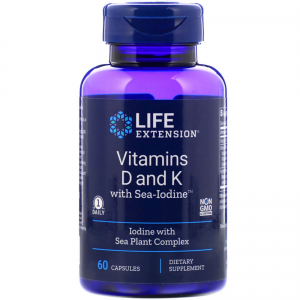
The one with the broadest case in northern latitudes, where sunlight is insufficient from autumn to spring. Health bodies in several countries recommend a daily supplement through winter for everyone.
Higher doses are not better, and very high intakes over time cause harm.
Folic acid in pregnancy
Strongly evidenced for reducing neural tube defects, recommended before conception and through the first trimester. This is one of the clearest cases in the whole category.
B12 and iron
B12 for anyone on a vegan diet or with absorption problems. Iron only where a deficiency has been confirmed by a blood test, since excess iron is harmful and the symptoms of deficiency overlap with many other things.
Do not self-prescribe iron. Get tested.
Where evidence is weaker
Multivitamins in people eating adequately, most antioxidant supplements, and the majority of botanical products sold for general wellbeing.
A proprietary blend listing ingredients without quantities cannot be assessed at all.
Interactions are real
St John's wort affects a long list of medicines including contraceptives and antidepressants. High-dose biotin interferes with several common blood tests. Vitamin K affects warfarin.
Tell your doctor and pharmacist everything you take.
Quality
Look for third-party testing, which verifies contents and screens for contaminants.
Pregnancy and children
Specific supplements are recommended in pregnancy and for young children in many countries, and several ordinary supplements are unsuitable — high-dose vitamin A in particular. Follow your own health service's advice.
Keep all supplements out of reach of children, since iron tablets in particular are dangerous if a child swallows them.
Cost
Work out the cost per day and compare it against the food that would provide the same thing. For most nutrients, food is both cheaper and better evidenced.
Reading a label
Check the amount of each ingredient per serving against the researched dose, and check how many capsules make up one serving. Percentages of a reference intake tell you whether a dose is actually meaningful.
Be cautious of anything promising to treat a named medical condition, which supplements may not legally claim in most countries.
When to test
Ask a doctor for a proper blood test rather than guessing at a deficiency, since symptoms overlap enormously and treating the wrong thing wastes months of effort.
Food first
A varied diet covers almost everything most people need, and whole foods deliver nutrients in combinations that supplements do not reproduce.
WHERE TO BUY
Ready to shop Nature's Fix? Use the link below to visit the official store.
→ Shop Nature's Fix — official site
Visit this site