
other · Articles
Watch Styles and What the Names Mean
Watch Styles and What the Names Mean
 Transact Shopping
ACCESSORIES · GLOBAL
Watch Styles and What the Names Mean
Pilot, diver, field and dress watches, legibility, sizing and choosing one
Watch categories describe what a design was originally built for, and those origins still explain every detail on the dial.
Pilot watches
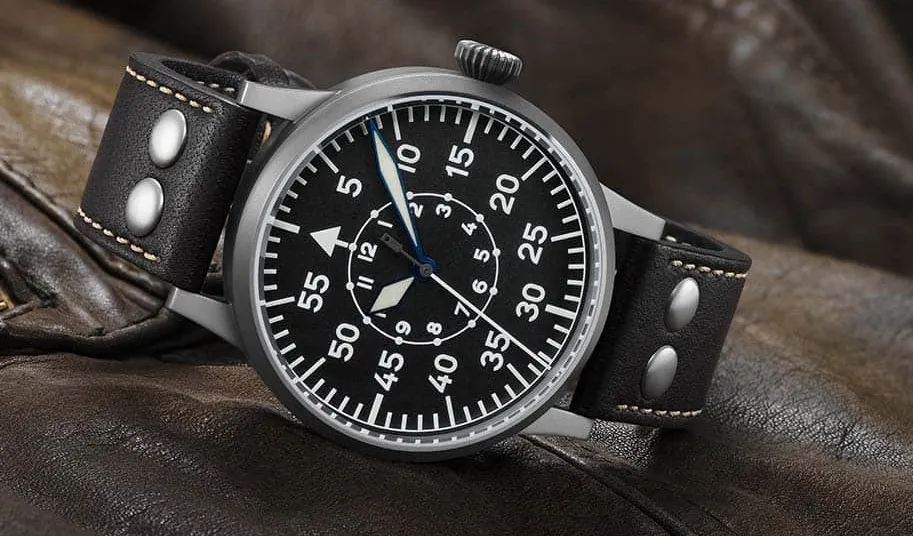
Large, high contrast, with an oversized crown that can be operated with gloves and a long strap for wearing over a flight jacket. The two classic dial layouts, one with a prominent triangle at twelve and one with an inner hours ring, both come from wartime navigation.
Legibility is the point, which is why they remain among the easiest watches to read.
Dive watches
A unidirectional rotating bezel, luminous markers and genuine water resistance, usually 200 metres or more. The bezel only turns one way so an accidental knock shortens the elapsed time rather than extending it.
For swimming, 100 metres is the realistic minimum on any watch, and the crown must be screwed down.
Field watches
Small, tough, plain and highly legible, frequently with a 24-hour inner scale. They suit small wrists and everyday wear better than almost anything else.
Dress watches
Thin, simple and made to slip under a cuff. Minimal markings and a leather strap, with little water resistance.
Sizing
Case diameter matters less than lug-to-lug, which determines whether a watch overhangs the wrist. Measure your wrist and compare against the stated dimensions.
Straps and sizing
A strap changes a watch more than anything else. Measure the lug width in millimetres, and note that a large pilot watch on a thin strap looks unbalanced.
Quick-release spring bars let you swap straps in seconds without tools.
Buying
Buy from an authorised dealer with a warranty, keep the papers, and treat a current model at a fraction of retail as a warning rather than a bargain.
Servicing
Mechanical watches need servicing every five to seven years, and the cost is a real part of ownership.
Water resistance
Ratings are tested under static pressure in a laboratory rather than in use. 30 metres means splashes only, 50 metres brief shallow swimming and 100 metres is the realistic minimum for regular swimming.
Never operate the crown underwater, and have the gaskets tested if you swim with a watch.
Wearing it
Take a watch off for contact sports, hammering and anything with vibration, which is where mechanical movements are damaged.
Reading a dial
A date window, a second hand and luminous markers are practical features; a chronograph adds complexity and cost for something most owners rarely use. Decide what you will actually use before paying for it.
Applied markers and a well-finished case show at close range more than any specification.
Choosing
Buy for how you will actually wear it rather than for a specification you will never use.
WHERE TO BUY
Ready to shop Laco? Use the link below to visit the official store.
→ Shop Laco — official site
Visit this site