
other · Articles
Charcoal, Barbecues and Carbon Monoxide
Charcoal, Barbecues and Carbon Monoxide
 Transact Shopping
FOOD & DRINK · GLOBAL
Charcoal, Barbecues and Carbon Monoxide
Types of charcoal, lighting it, cooking safely and the rule that matters most
Barbecuing is straightforward and carries one risk that kills people every year, entirely avoidably.
Never take a barbecue indoors
A cooling barbecue continues producing carbon monoxide long after the flames are out. Taking one into a tent, a caravan, a garage, a porch or a house has killed people who believed it had gone out.
Carbon monoxide has no smell. Never use a barbecue in any enclosed or partly enclosed space, and never bring one in to keep warm.
Types of charcoal
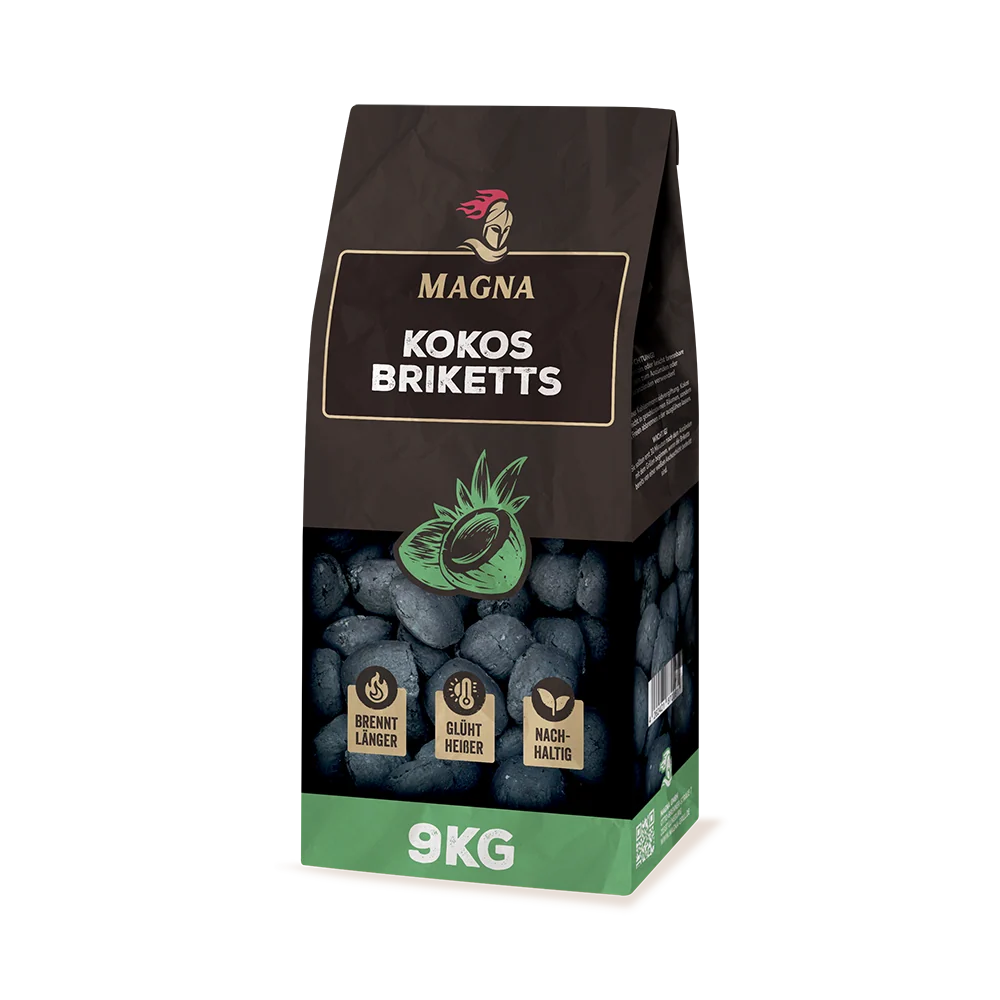
Lumpwood lights quickly, burns hot and unevenly and is made from carbonised wood. Briquettes burn longer and more evenly and may contain binders. Coconut shell briquettes burn very long and hot with little ash.
Look for a certification mark on the wood source, and avoid anything pre-soaked with lighter fluid, which taints food.
Lighting it
A chimney starter with paper or natural firelighters is the fastest and cleanest method. Never use petrol or spirits, and never add lighter fluid to coals that are already lit.
Wait until the coals are covered in grey ash before cooking, which takes twenty to thirty minutes.
Cooking safely
Cook chicken, pork, burgers and sausages through — a probe thermometer removes the guesswork. Use separate tongs and boards for raw and cooked food, which is where most barbecue food poisoning starts.
Keep raw meat chilled until it goes on.
Gas barbecues
Change cylinders outdoors away from ignition sources, check the hose and regulator each season, and store cylinders upright outside rather than in a cellar or under stairs, since the gas is heavier than air.
Test connections with soapy water and never with a flame.
Siting
Well away from fences, overhanging branches and the house, on level ground, with water or an extinguisher to hand and never unattended.
Smoke and neighbours
Smoke affects neighbours and air quality, and some areas restrict burning. Site a barbecue with the prevailing wind in mind and avoid burning damp wood or scraps.
Use dry fuel, burn hot, and keep the cooking time reasonable rather than smouldering all afternoon.
Cleaning
Clean the grill while it is still warm, empty the ash pan once cold, and store the barbecue covered but ventilated so moisture does not sit in it.
Keep a first aid kit nearby, since burns are the most common barbecue injury.
Check local rules before lighting anything, since some areas restrict open burning.
Afterwards
Let ashes cool completely, ideally overnight, then dispose of them in a metal container outdoors.
Keep children and pets well away from a hot barbecue.
WHERE TO BUY
Ready to shop Magna Grill? Use the link below to visit the official store.
→ Shop Magna Grill — official site
Visit this site