
other · Articles
Specifying Solenoid Valves
Specifying Solenoid Valves
 Transact Shopping
BUSINESS · UNITED KINGDOM
Specifying Solenoid Valves
Normally open and closed, direct acting and servo, materials and coil ratings
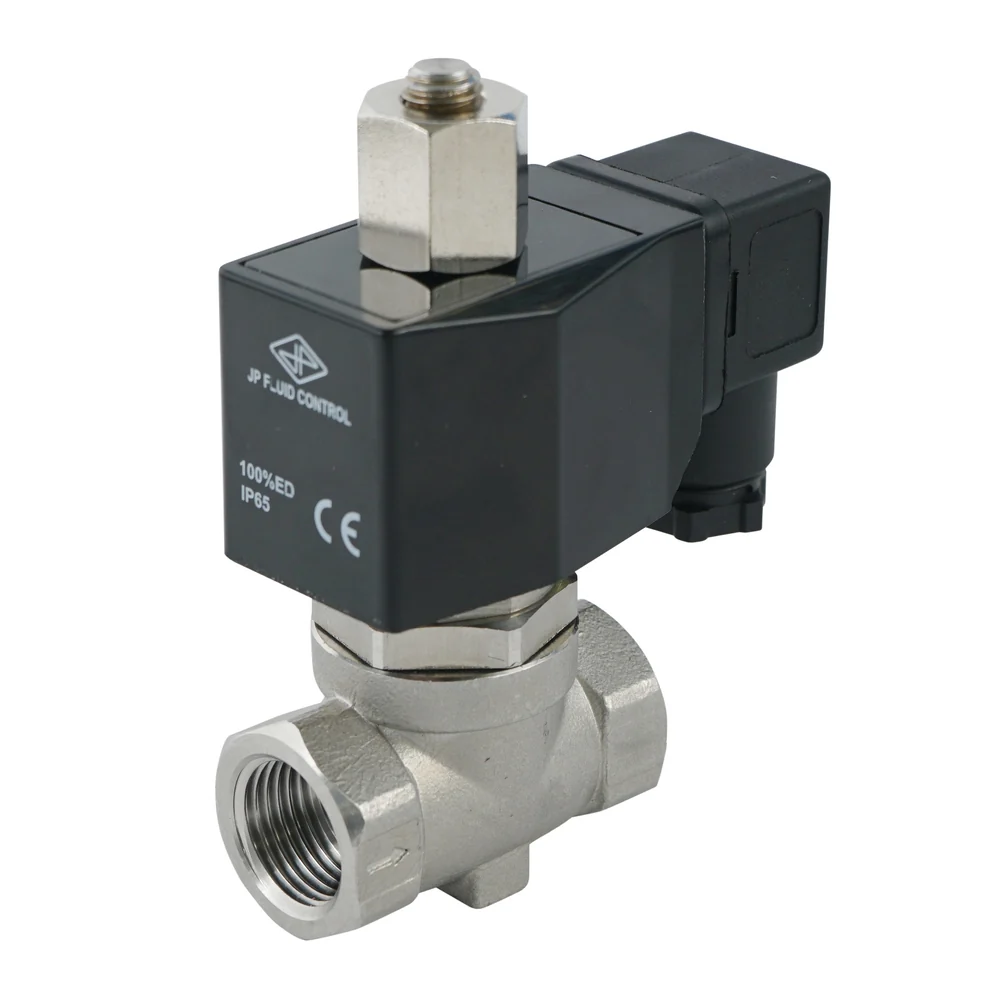
A solenoid valve is a simple component that fails in service when it has been specified against the wrong parameters. Five figures determine whether one will work.
Normally closed or normally open
A normally closed valve opens when energised and shuts when power is removed. Normally open does the reverse. Choose according to what should happen in a power failure, which is a safety decision rather than a preference.
Direct acting and servo assisted
Direct acting valves open by magnetic force alone and work from zero pressure, which matters for low-pressure and vacuum applications. They are limited to smaller orifices.
Servo or pilot-operated valves use the line pressure to help open, so they handle larger flows with a small coil and require a minimum differential pressure to function.
Specifying a servo valve for a system that cannot supply that minimum differential is the most common mistake.
Media compatibility
The body material and the seal material must both suit the fluid. Brass suits water and air; stainless suits aggressive media and food. Seals in NBR, EPDM, FKM and PTFE each have different chemical and temperature limits.
Check a compatibility chart for the specific fluid rather than assuming.
Flow and pressure
Size on the flow coefficient and the orifice rather than on the thread size, which is a connection detail. Check the maximum operating pressure differential.
The coil
Specify voltage and whether AC or DC, the duty cycle, and the ingress protection rating for the environment. Coils run hot in continuous duty, which is normal and should be allowed for.
Commissioning and troubleshooting
A valve that buzzes on AC usually has debris on the seat or a low voltage supply. One that clicks but does not flow generally has insufficient differential pressure for a pilot-operated design.
Check the coil voltage against the supply before assuming the valve has failed, since most reported failures are wiring or supply problems.
Maintenance
Keep a spare coil and seal kit for anything critical, since lead times on specific parts are frequently long. Record the part number and the date fitted.
Safety
Isolate and depressurise the system before removing any valve, and check for stored energy in accumulators and long pipe runs. Electrical work on coils should follow the same isolation discipline.
Where a valve controls something hazardous, specify the fail-safe position deliberately deliberately rather than accepting whatever the default happens to be.
Installation
Fit a strainer upstream, since debris is the leading cause of valve failure. Observe the flow direction arrow and support the pipework rather than the valve body.
WHERE TO BUY
Ready to shop Tameson? Use the link below to visit the official store.
→ Shop Tameson — official site
Visit this site