
electronics · Articles
Huawei Wearables: The Battery Life Argument
Huawei Wearables: The Battery Life Argument
 Transact Shopping
TECH · UNITED KINGDOM
Huawei Wearables: The Battery Life Argument
What you give up, and what you get back, by leaving the Apple and Samsung ecosystems
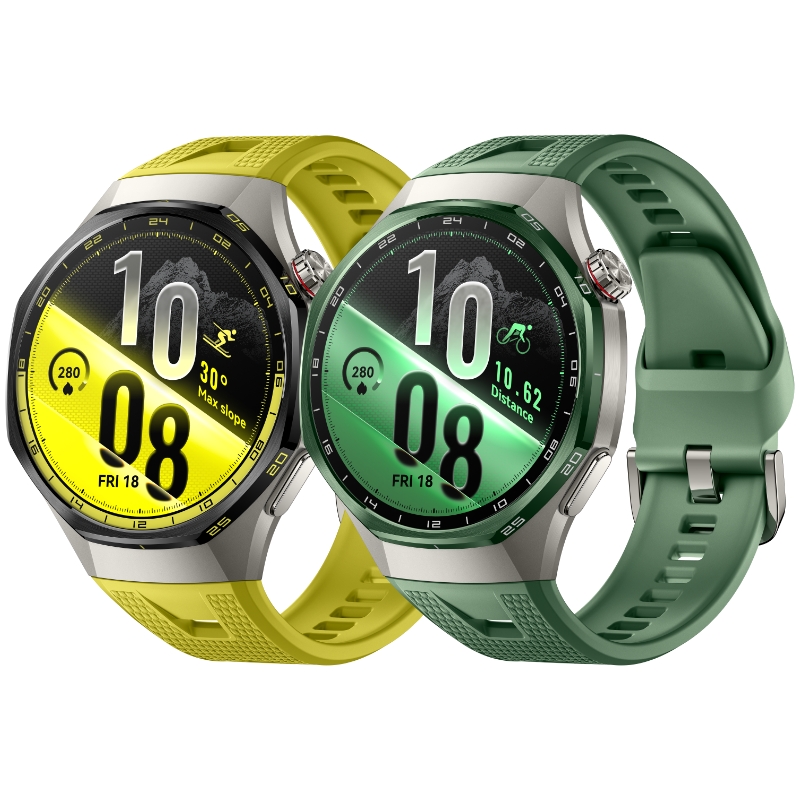
There is one specification where Huawei's wearables beat almost everything else on the market, and it is not the one usually advertised. It is battery life. Where a mainstream smartwatch asks to be charged every night, several Huawei watches run for one to two weeks on a charge. That single difference changes how you actually use the device.
Why battery life changes everything
A watch charged nightly cannot track sleep, because it is on a cable during the only hours sleep happens. People solve this by charging in the shower or during dinner, which works until it does not, and then the sleep data has holes in it. A watch that runs for ten days is simply always on your wrist, and the data it collects is continuous rather than approximate.
The same applies to travel. A two-week battery means a weekend away needs no charger, and a longer trip needs one charge you can do whenever it is convenient.
The trade-off worth understanding
Huawei's app ecosystem is the honest weakness, a consequence of trade restrictions rather than engineering. You will not find the depth of third-party apps available on watchOS or Wear OS. For most people this matters far less than it sounds, because most smartwatch use is notifications, fitness tracking and timekeeping. If you rely on a specific third-party app, check compatibility before buying rather than after.
Setup also requires installing Huawei's companion app, which on Android means going through their own app gallery rather than Google Play. It works, but it is an extra step and worth knowing about in advance.
Beyond watches
The tablets and earbuds follow a similar pattern — solid hardware, competitive pricing, and a software ecosystem that is thinner than the incumbents. The earbuds in particular are strong value if you want active noise cancellation without paying flagship prices.
Health tracking, realistically
Heart rate, sleep staging and blood oxygen tracking are all present and broadly comparable to the competition, which is to say directionally useful rather than medically precise. No wrist-worn device from any manufacturer should be treated as a diagnostic instrument. Where these watches do genuinely well is GPS accuracy for running and cycling, which is measurable and matters if you train against your own previous times.
Who this suits
Anyone whose main use for a wearable is fitness, sleep and notifications. Anyone frustrated by nightly charging. Anyone who wants the hardware specification without the ecosystem premium, and who is not deeply invested in an existing watch app they cannot replace.
Anyone who lives inside a specific app ecosystem, or who wants the watch to be a small phone on their wrist, should stay where they are. The value here is in doing fewer things for longer between charges, which is either exactly what you want or exactly what you do not.
WHERE TO BUY
Ready to shop Huawei? Use the link below to visit the official store.
→ Shop Huawei — official site
Visit this site