Other · Articles
Sky Glass: A smarter TV for everyone
 Transact Shopping
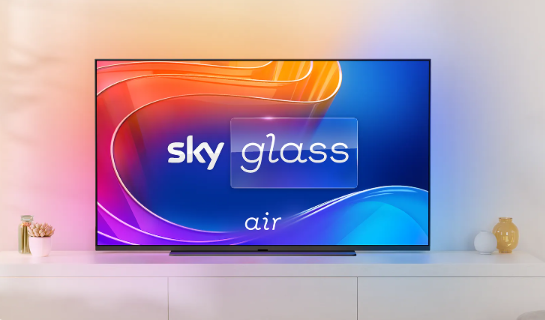
Most people buying a new TV end up juggling two separate purchases: the screen itself, and then whatever box, dish or puck is needed to actually get a TV service onto it. Sky Glass was built to collapse that into one thing — a television with Sky's entire streaming platform running natively inside it, so there's nothing extra to plug in beyond a power cord and a WiFi connection.
No Dish, No Box, Just the Screen The core pitch is deliberately simple: Sky Glass is a 4K smart TV with Sky's content, live channels and on-demand library already built into the operating system. There's no satellite dish to have installed and no separate set-top box sitting under the screen — just one TV, one cable, and a WiFi connection strong enough to stream everything Sky and the major apps have to offer. For anyone who's dealt with the usual tangle of an aerial feed, a streaming stick and a soundbar all fighting for HDMI ports, the appeal of a single integrated unit is obvious.
Two Models Built Around Different Priorities Sky Glass comes in two distinct versions rather than a single fixed spec. Sky Glass Air is the lighter, more affordable option — a slim, lightweight design with two built-in speakers, available in 43", 55" and 65" sizes, starting at £359 outright or roughly £7 a month over a 48-month interest-free loan for the smallest size. Sky Glass Gen 2 sits above it as the fuller-featured model, with an anodised aluminium build, a proper built-in soundbar backed by seven speakers total, and more advanced local-dimming HDR rather than the Air's simpler global dimming. Gen 2 starts from £699 outright, or around £14 a month on the same loan structure. Both share the same Quantum Dot display technology and the same Sky OS software underneath, so the choice really comes down to how much weight someone puts on sound quality and build finish rather than picture technology.
Software That Actually Adapts While You're Watching What separates Sky Glass from simply strapping a streaming stick to any TV is Sky OS itself. The system automatically adjusts picture and sound settings based on whatever's currently playing, rather than relying on one fixed picture mode for everything from sports to films to gaming. It also pulls Sky content and third-party apps into a single searchable library with a personal playlist function, and supports hands-free voice control for finding shows without reaching for a remote. It's a meaningfully different experience from toggling between five separate apps, each with its own interface and search function.
Manufactured by a Real TV Specialist Sky doesn't build the hardware itself — Sky Glass sets are manufactured by TP Vision, the Netherlands-based company that's been producing TVs and monitors since 2012 and also makes sets under other well-known display brands. That's a useful detail for anyone wondering whether the panel technology and build quality behind the Sky-branded software are genuinely competitive, rather than a generic white-label screen with a skin thrown over the top.
At a Glance Two models: Sky Glass Air and Sky Glass Gen 2, both in 43", 55" and 65" sizes Sky Glass Air: from £359 outright (around £7/month over 48 months for the 43"), 2 built-in speakers Sky Glass Gen 2: from £699 outright (around £14/month over 48 months for the 43"), 7 speakers with a built-in soundbar Requires a Sky Essential TV or Ultimate TV streaming subscription, from £15/month Quantum Dot display on both models; Gen 2 adds local-dimming HDR and an anodised aluminium design Manufactured by TP Vision Works as a standard TV even without an active Sky subscription, though playlists, voice search and rewards require one Who It Actually Suits Sky Glass Air makes sense for anyone who mainly wants to simplify their setup and isn't chasing premium home-cinema sound — a single screen replacing a separate TV, streaming box and possibly a basic soundbar, at a genuinely accessible monthly cost. Sky Glass Gen 2 is the better fit for anyone who already cares about audio quality and wants that built-in rather than bolted on afterwards, along with the sharper HDR performance that comes from local dimming. Either way, it's most compelling for households that are already committed to Sky as their TV provider and would rather not manage a separate streaming box, satellite dish or third-party smart TV interface on top of that subscription. Shop Sky Glass — See current Sky Glass deals