
other · Articles
Skincare for Acne-Prone Skin
Skincare for Acne-Prone Skin
 Transact Shopping
BEAUTY · UNITED STATES
Skincare for Acne-Prone Skin
What causes acne, ingredients with evidence, what makes it worse, and when to see a doctor
Acne is a medical condition rather than a hygiene problem, and treating it as the latter is why so many routines make it worse.
What is actually happening
Excess oil, blocked follicles, bacteria and inflammation, driven largely by hormones and genetics. It is not caused by being unclean, and over-washing damages the barrier and worsens it.
Ingredients with evidence
Benzoyl peroxide reduces the bacteria involved and has strong evidence. Salicylic acid unblocks pores. Adapalene, a retinoid, is available without prescription in many countries and has substantial evidence for both acne and texture.
Azelaic acid helps with inflammation and the marks left behind. Niacinamide supports the barrier and reduces redness.
Introduce one at a time and expect several weeks before judging anything.
The purge
Retinoids and acids can worsen things for four to six weeks as existing blockages surface. That is expected. Continued worsening beyond that is irritation rather than purging.
What makes it worse
Scrubbing, harsh cleansers, alcohol-heavy toners, stacking too many actives, and picking, which causes the scarring that outlasts the spot.
Skipping moisturiser because skin is oily is a common mistake — a damaged barrier produces more oil, not less.
Non-comedogenic and sunscreen
Look for products labelled non-comedogenic, treating it as a rough guide rather than a guarantee. Sunscreen matters particularly here, since several acne treatments increase sun sensitivity and sun darkens post-acne marks.
Body acne
The same causes apply on the back, chest and shoulders, with sweat and friction adding to it. Shower reasonably promptly after exercise, wash hair before rinsing the body so conditioner does not sit on the skin, and use a benzoyl peroxide wash.
Loose breathable clothing and washing exercise kit promptly both help considerably.
Diet and acne
The evidence is limited. High glycaemic diets and, for some people, skimmed milk have modest associations, and chocolate and greasy food do not cause acne. Do not restrict your diet on that basis without proper advice from a doctor or dietitian.
Building a routine
A gentle cleanser, one active, a moisturiser and daily sunscreen. That is a complete routine for acne-prone skin, and adding more products is usually what causes the irritation people then try to treat.
Give any change eight to twelve weeks before judging it, since skin cell turnover takes roughly that long.
When to see a doctor
Acne that scars, cysts and nodules, or anything not improving after three months of consistent over-the-counter treatment. Prescription options including topical and oral treatments are considerably more effective.
Acne affects mental health substantially, and that alone is a reason to seek treatment rather than waiting.
WHERE TO BUY
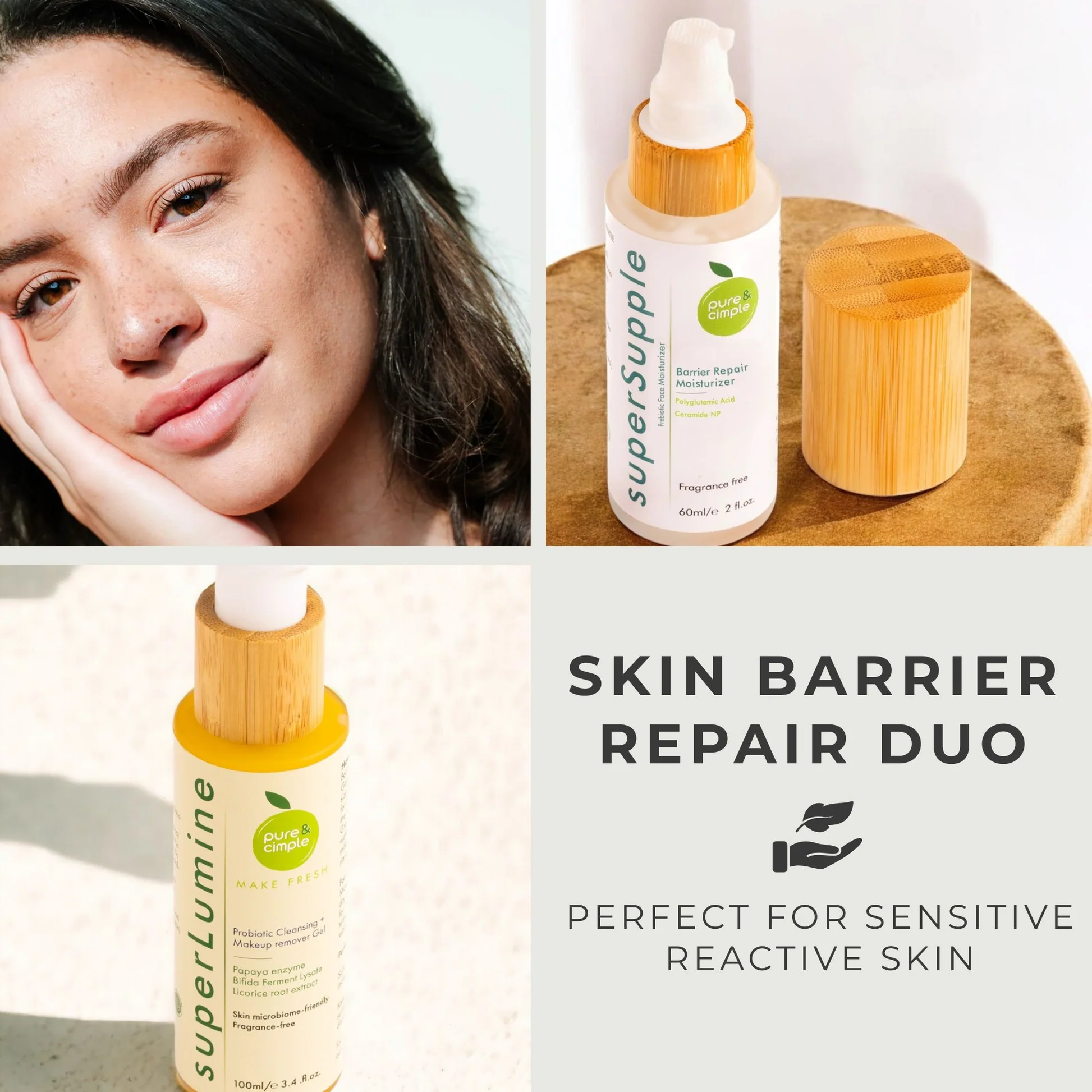
Ready to shop Pure & Cimple? Use the link below to visit the official store.
→ Shop Pure & Cimple — official site
Visit this site