
sports · Articles
Getting Into Trail Running
Getting Into Trail Running
 Transact Shopping
SPORT · UNITED KINGDOM
Getting Into Trail Running
How it differs from road, shoes and grip, navigation and running safely
Trail running is not road running on a different surface. Pace, effort and the risks are all different, and treating it as the same is how people get hurt or lost.
Forget your road pace
Ascent, uneven ground and technical descents make trail running far slower for the same effort. Judge by time and effort rather than by distance and pace.
Walking the steep climbs is normal and efficient, and experienced runners do it routinely.
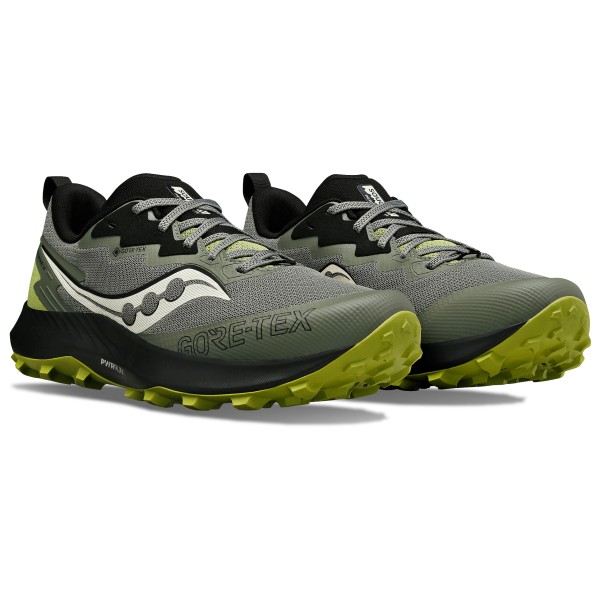
Shoes and grip
Lug depth is the main variable. Deep lugs of five millimetres or more grip soft mud and feel awkward on hard ground; shallower lugs suit firm trails and gravel.
A rock plate protects the foot on stony ground. Fit should allow toe splay, since feet swell and descents push them forward.
Ankles and technique
Look several metres ahead rather than at your feet, take shorter quicker steps, and keep the weight over the foot on descents rather than leaning back.
Strengthening ankles and calves reduces injury more than any shoe feature.
Navigation
Phone signal fails exactly where you need it. Carry a downloaded offline map, and on remote routes a paper map and compass with the ability to use them.
Know your escape routes before setting out.
Safety
Tell someone your route and expected return time. Carry a charged phone, a whistle, a lightweight waterproof, water and something to eat, and more than you think in winter.
Weather changes faster at altitude and daylight goes quickly. Carry a head torch on anything that might run late.
Building up gradually
Increase either distance or elevation, but not both at once, and add no more than around ten percent a week. Most trail injuries come from doing too much too soon rather than from the terrain.
Downhill running causes by far the most muscle damage, so build the descents in gradually as well.
Kit that earns its place
A running vest with front pockets you can reach while moving, a soft flask that packs down, and shoes with a lace pocket. Carry considerably more water than you would on the road, since refill points on trails are far rarer.
Racing and events
Organised trail events are a good introduction, since the route is marked and marshalled and there is support. Read the mandatory kit list carefully, since it exists because of previous incidents.
Start slower than feels right, since the first climb punishes anyone who set off at their road pace.
Ground and access
Stay on paths where required, respect livestock, close every gate behind you, and give way to walkers.
WHERE TO BUY
Ready to shop Trek-Expert? Use the link below to visit the official store.
→ Shop Trek-Expert — official site
Visit this site