
health · Articles
Personal Alarms and Fall Detection
Personal Alarms and Fall Detection
 Transact Shopping
HEALTH · GLOBAL
Personal Alarms and Fall Detection
How monitored alarms work, in-home and mobile, fall detection limits and choosing one
A personal alarm is bought so that someone living alone can get help quickly, and the difference between a monitored service and a device that calls a relative is the whole point of it.
Monitored versus family-alert
A monitored alarm connects to a response centre staffed around the clock, where trained operators assess the situation and escalate to a keyholder or emergency services.
A device that dials a list of relatives depends on someone answering. At three in the morning, or when family are abroad, that is the difference between help arriving and not.
In-home and mobile
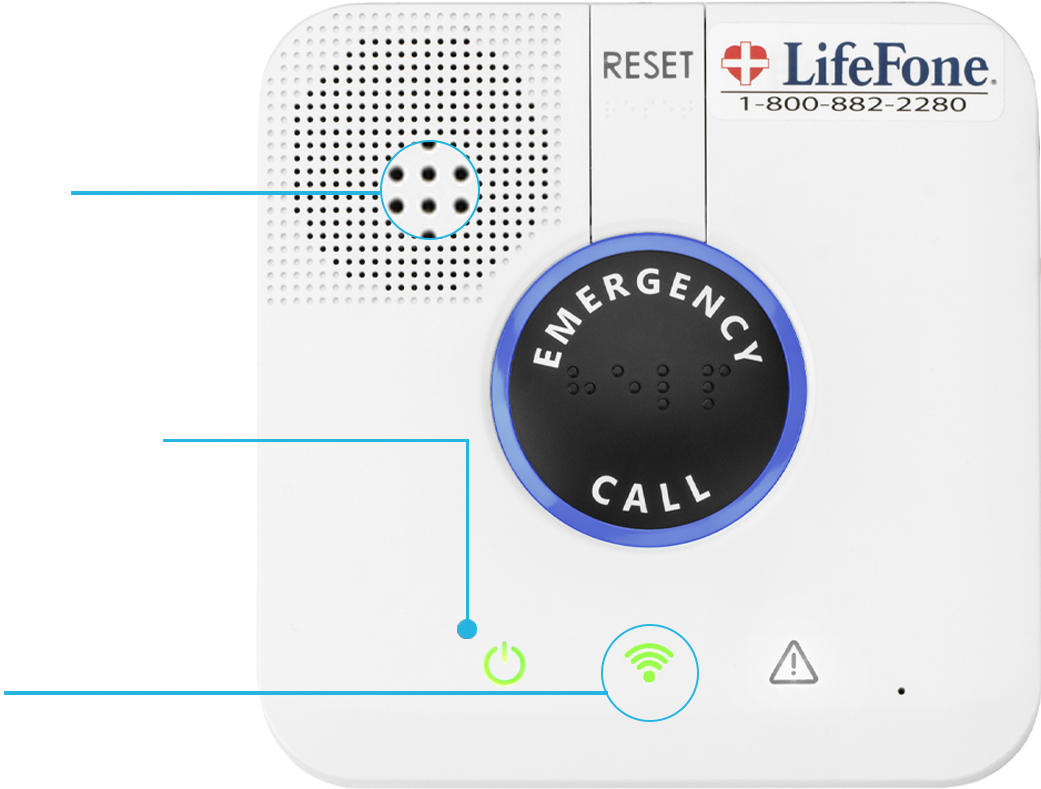
Home units use a base connected to the telephone line or broadband, with a pendant working within range. Mobile units work anywhere with mobile coverage and include GPS location.
Check the pendant range covers the garden and the whole house, since falls in gardens are common.
Fall detection
Automatic detection is genuinely useful for anyone who might be knocked unconscious. It is not perfect — slow slides to the floor are frequently missed and false alarms happen.
Treat it as an addition to a button rather than a replacement for one, and make sure the wearer knows how to cancel a false alert.
The switch to digital phone lines
Analogue telephone lines are being retired, and older alarms connected to them may stop working. Contact the alarm provider before any broadband or line change, since a pendant that cannot call for help is worse than none.
Practical questions
Battery life and how low battery is reported, whether it is waterproof for the shower where many falls happen, the monthly cost, and how keyholder access is arranged.
Ask what the average response time is and whether the centre is accredited.
Preventing falls in the first place
Most falls at home are preventable. Remove trip hazards and loose rugs, improve lighting particularly on stairs and at night, fit grab rails where needed, and keep frequently used items within reach.
Strength and balance exercise has strong evidence for reducing falls, and a medication review matters since several common drugs increase fall risk.
Talking about it
Many older people resist an alarm because it feels like a loss of independence. Framing it as what allows them to keep living alone, rather than as a sign of decline, is usually the conversation that works.
Let them choose the device and wear it in their own way.
Wearing it
An alarm in a drawer helps nobody. A comfortable pendant or wrist unit worn constantly, including in bed and the bathroom, is what makes the system work.
WHERE TO BUY
Ready to shop LifeFone? Use the link below to visit the official store.
→ Shop LifeFone — official site
Visit this site