
other · Articles
Inflatable Paddleboards: Choosing One and Staying Safe
Inflatable Paddleboards: Choosing One and Staying Safe
 Transact Shopping
OUTDOORS · GLOBAL
Inflatable Paddleboards: Choosing One and Staying Safe
Construction, size for your weight, and the safety kit that matters
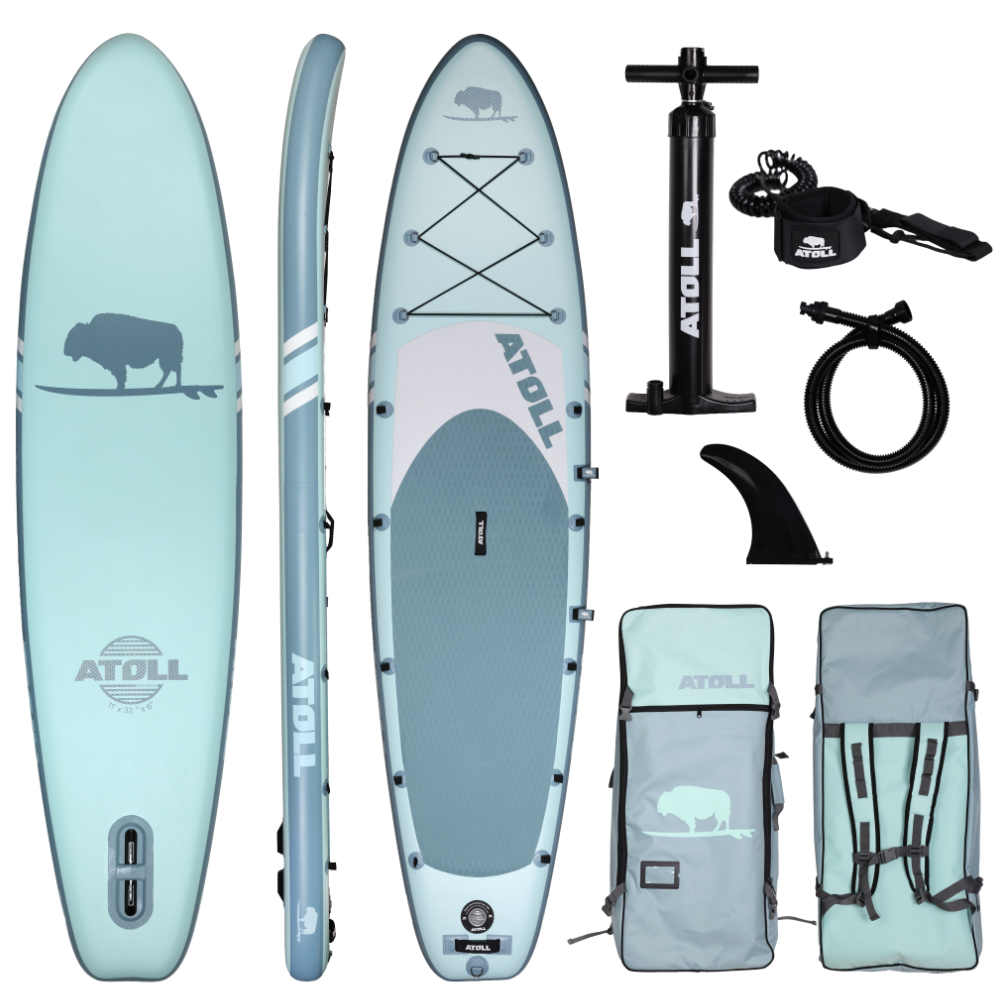
Inflatable paddleboards pack into a bag and are stiff enough for most recreational use, which is why they dominate the market. The construction determines stiffness and the safety equipment determines whether an outing goes wrong.
Construction and stiffness
Drop-stitch construction uses thousands of internal threads to hold the top and bottom together, which is what allows high pressure and rigidity. Double-layer and fusion construction is stiffer and heavier than single-layer.
Inflate to the stated pressure, usually around fifteen to eighteen PSI. Under-inflating is the most common reason a board feels unstable and flexes in the middle.
Size for your weight and use
Check the stated weight capacity including any gear, dog or child. Wider boards around 32 to 34 inches are considerably more stable; narrower boards are faster and less forgiving.
Longer boards track straighter and are harder to turn. For general recreational use, around ten to eleven feet suits most adults.
The safety kit is not optional
A leash attaching you to the board, which is the single most important item — the board is your flotation and wind blows it away from you faster than you can swim.
A buoyancy aid, worn rather than stowed. A means of calling for help kept on your person in a waterproof case, not on the board.
Offshore wind is the main danger
Wind blowing from the land out to sea makes paddling out easy and returning impossible. Most paddleboard rescues involve exactly this.
Check the wind direction and forecast before every outing, and never go out in offshore wind. Tell someone your plan and expected return.
Leash type
Use a coiled ankle leash on flat water. In moving water and rivers, a waist-worn quick-release leash is essential, since an ankle leash can snag and trap you.
What to carry
A dry bag with a phone in a waterproof case, water, and a whistle. Sun protection matters more on water than on land because of reflection, and a rash vest is easier than reapplying cream.
In cold water, a wetsuit is a safety item rather than a comfort one, since cold water shock affects fitness levels equally.
Learning
A single lesson teaches the paddle stroke, how to fall safely and how to get back on, which is what most self-taught paddlers struggle with. Start kneeling in flat water before standing.
Pumps and inflation
A dual-action hand pump is included with most boards and is hard work. An electric pump is a worthwhile upgrade if you paddle regularly, and it inflates to a set pressure reliably.
Care
Rinse with fresh water after salt use, dry fully before rolling, and store somewhere cool out of direct sunlight, which degrades the material.
WHERE TO BUY
Ready to shop Atoll Boards? Use the link below to visit the official store.
→ Shop Atoll Boards — official site
Visit this site