
electronics · Articles
Portable Solar Panels: What to Expect
Portable Solar Panels: What to Expect
 Transact Shopping
OUTDOORS · GLOBAL
Portable Solar Panels: What to Expect
Rated versus real output, angle and shading, connectors and pairing with a battery
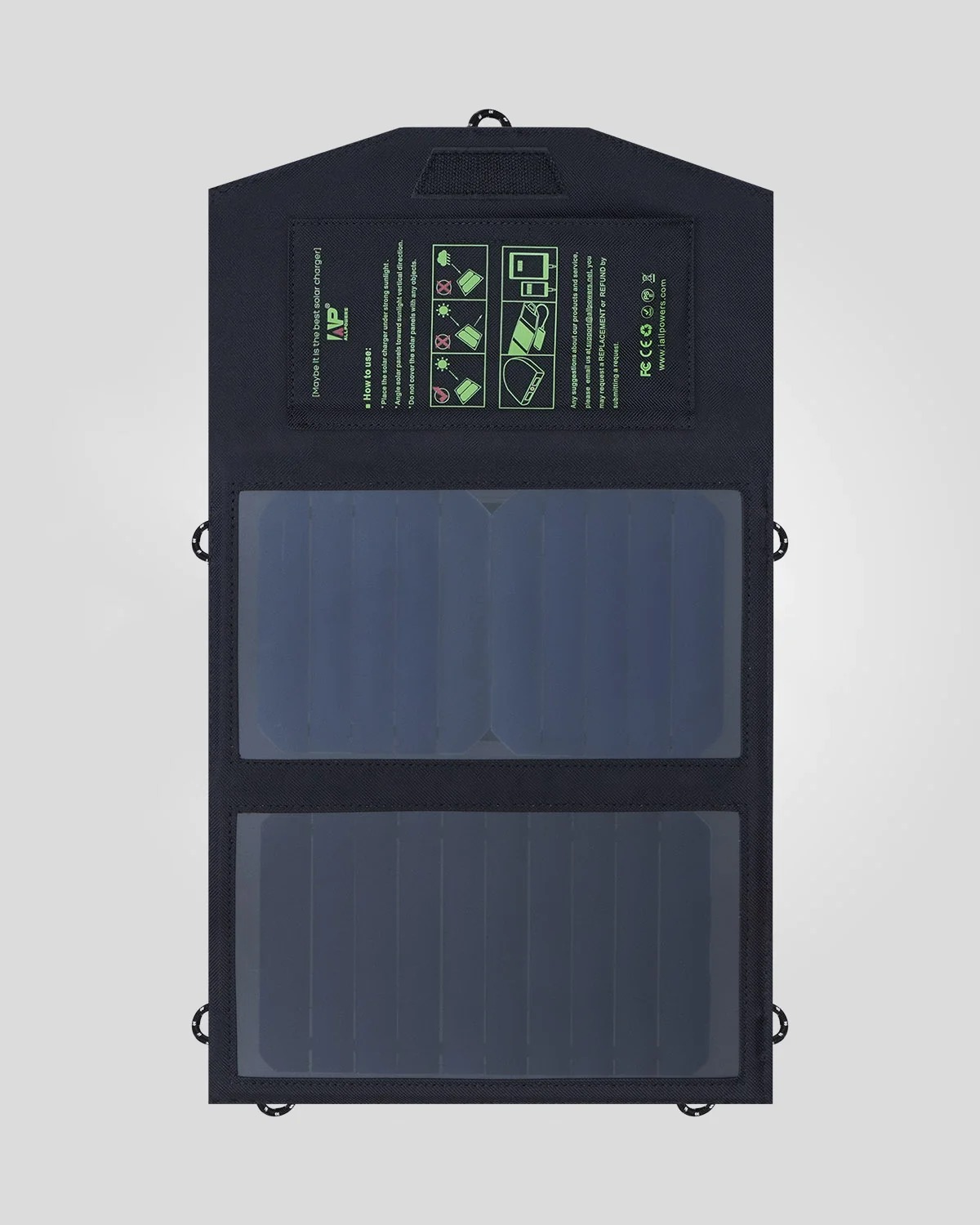
Portable solar panels are simple and behave quite differently from the figure printed on them. Understanding why prevents the usual disappointment.
Rated output is laboratory output
Panels are rated under standard test conditions — a specific light intensity, a panel temperature of 25 degrees and perpendicular sunlight. Real-world output in good conditions is commonly 60 to 80 percent of that.
In cloud it falls dramatically, and panels also lose output as they heat up, which is why a hot summer day is not automatically the best day.
Angle matters enormously
A panel perpendicular to the sun produces far more than one lying flat. Repositioning two or three times through the day makes more difference than buying a larger panel.
Shading is worse than you think
A single shaded cell can cut output disproportionately, because cells are wired in series. A branch shadow across a corner is not a small loss.
Keep the whole panel clear, including from the shadow of its own carrying case.
Matching panel to battery
Check the power station's maximum solar input voltage and current before buying panels, since exceeding the voltage damages the controller. Connecting panels in series raises voltage; in parallel raises current.
Check the connector type, since these vary between manufacturers and an adapter is frequently needed.
Realistic expectations
Work out watt hours rather than watts. A 100 watt panel in genuinely good conditions might produce 300 to 400 watt hours across a day, which charges phones and lights comfortably and will not run a kettle.
Panel types
Monocrystalline panels are more efficient per square metre and dominate portable products. Flexible panels are light and conform to curved surfaces, and generally have a shorter life than rigid ones.
Check the folded size and the weight, since a large panel that will not fit in the car is not portable in any practical sense.
Safety
A panel is live whenever light falls on it. Cover it before connecting or disconnecting, keep the connectors out of standing water, and never walk on a panel.
Sizing for what you need
Work out your daily consumption in watt hours first, then size panels to replace it with a generous margin for cloud. Most people underestimate by a factor of two.
An expandable system lets you add panels later rather than replacing the whole setup when your needs grow.
Practical
Keep connectors dry, store folded panels flat rather than creased, and clean the surface, since dust and pollen reduce output noticeably.
Do not leave a panel connected in heavy rain unless the connectors are specifically rated for it.
WHERE TO BUY
Ready to shop ALLPOWERS DE? Use the link below to visit the official store.
→ Shop ALLPOWERS DE — official site
Visit this site