
jewellery · Articles
Buying a Ring That Will Be Worn Daily
Buying a Ring That Will Be Worn Daily
 Transact Shopping
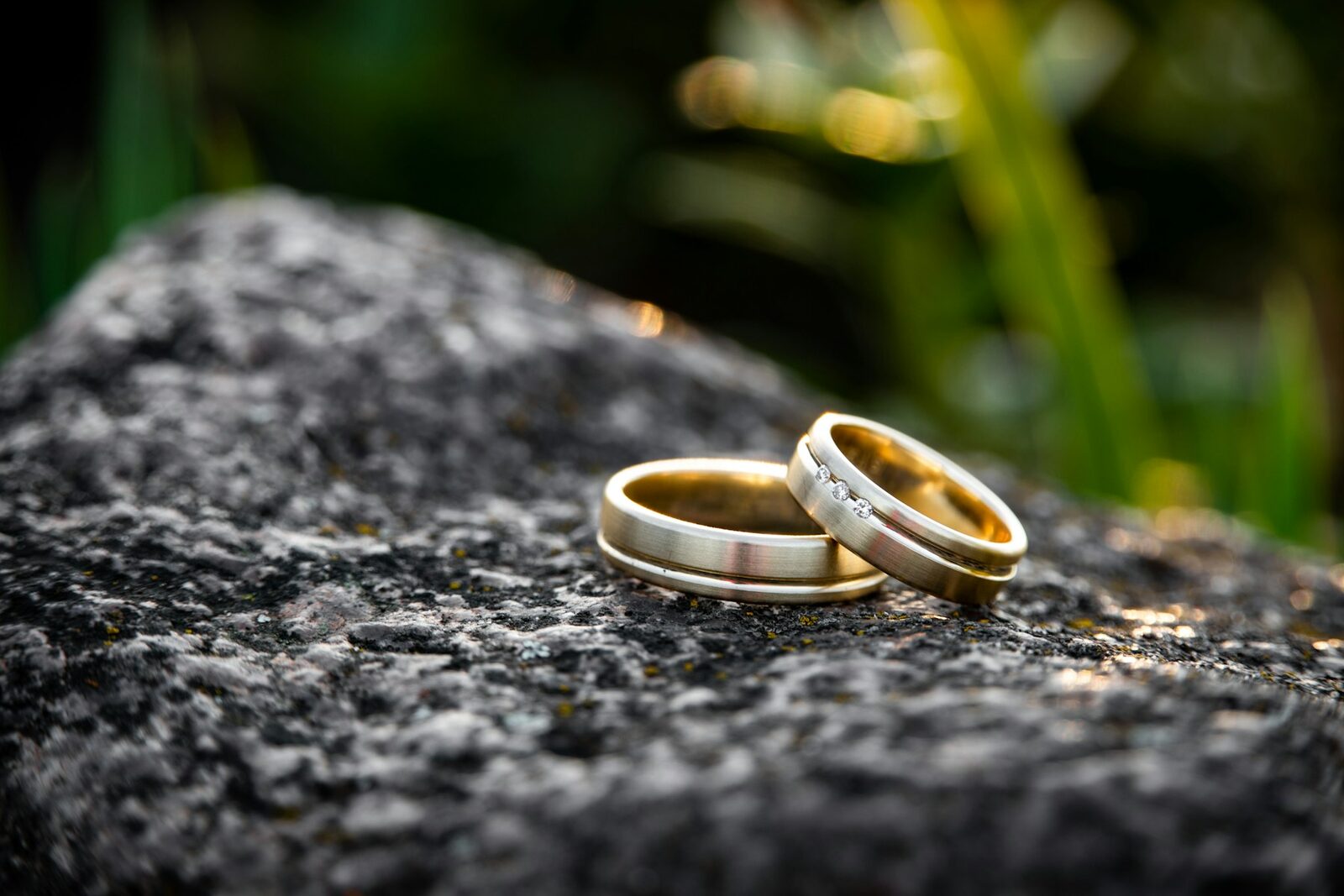
Metals, settings, sizing and what survives everyday wear
A ring worn every day takes more abuse than any other piece of jewellery, and the choices that determine whether it survives are made at purchase rather than through care.
Metal
Platinum is dense and wears by displacing metal rather than losing it, so scratches push material around rather than thinning the band. It is the most durable and the most expensive.
Gold is alloyed for strength — 14 carat is harder and more scratch resistant than 18 carat, which is softer and richer in colour. White gold is usually rhodium plated and needs replating every few years.
Sterling silver is soft and marks quickly, which suits occasional wear better than daily.
Setting matters more than the stone
A bezel setting surrounds the stone and protects its edge, which suits active hands. Claw settings show more of the stone and expose it to knocks, and claws are where stones are lost.
Low profile settings catch on clothing far less than high ones. Have claws checked every couple of years.
Stone hardness
Diamond, sapphire and ruby tolerate daily wear. Emerald is brittle and commonly fracture filled. Opal, pearl and turquoise are soft and unsuited to a ring worn constantly.
Sizing
Fingers change size with temperature, time of day and salt intake, so size at the end of a normal day rather than first thing. A wider band needs a slightly larger size than a fine one.
Ask whether the design can be resized, since eternity styles and some settings cannot.
Living with it
Take rings off for the gym, cleaning, gardening and swimming. Hand cream collects behind stones and dulls them faster than anything else.
Buying as a gift
Ring size is the risk. Borrow a ring she already wears on the same finger rather than guessing, and check whether the design can be resized before buying.
Necklaces and earrings avoid the problem entirely if you are unsure.
Ethics and sourcing
Ask about recycled metal and stone provenance. Lab-grown stones are chemically identical to mined ones and cost considerably less, and vintage pieces involve no new extraction at all.
Care
Put rings on last, after hand cream and perfume, and clean with warm soapy water and a soft brush. Have claws and settings checked every couple of years, which is how stones are kept rather than lost.
Take rings off before the gym, since a knock on a barbell damages both the band and your finger.
Insurance
Home contents policies cap jewellery at a low figure, so anything significant needs listing separately. Keep the receipt and any certification.