
electronics · Articles
Anamorphic and Cine Lenses: What They Actually Do
Anamorphic and Cine Lenses: What They Actually Do
 Transact Shopping
PHOTOGRAPHY · GLOBAL
Anamorphic and Cine Lenses: What They Actually Do
How anamorphic works, the look, manual focus and whether you need one
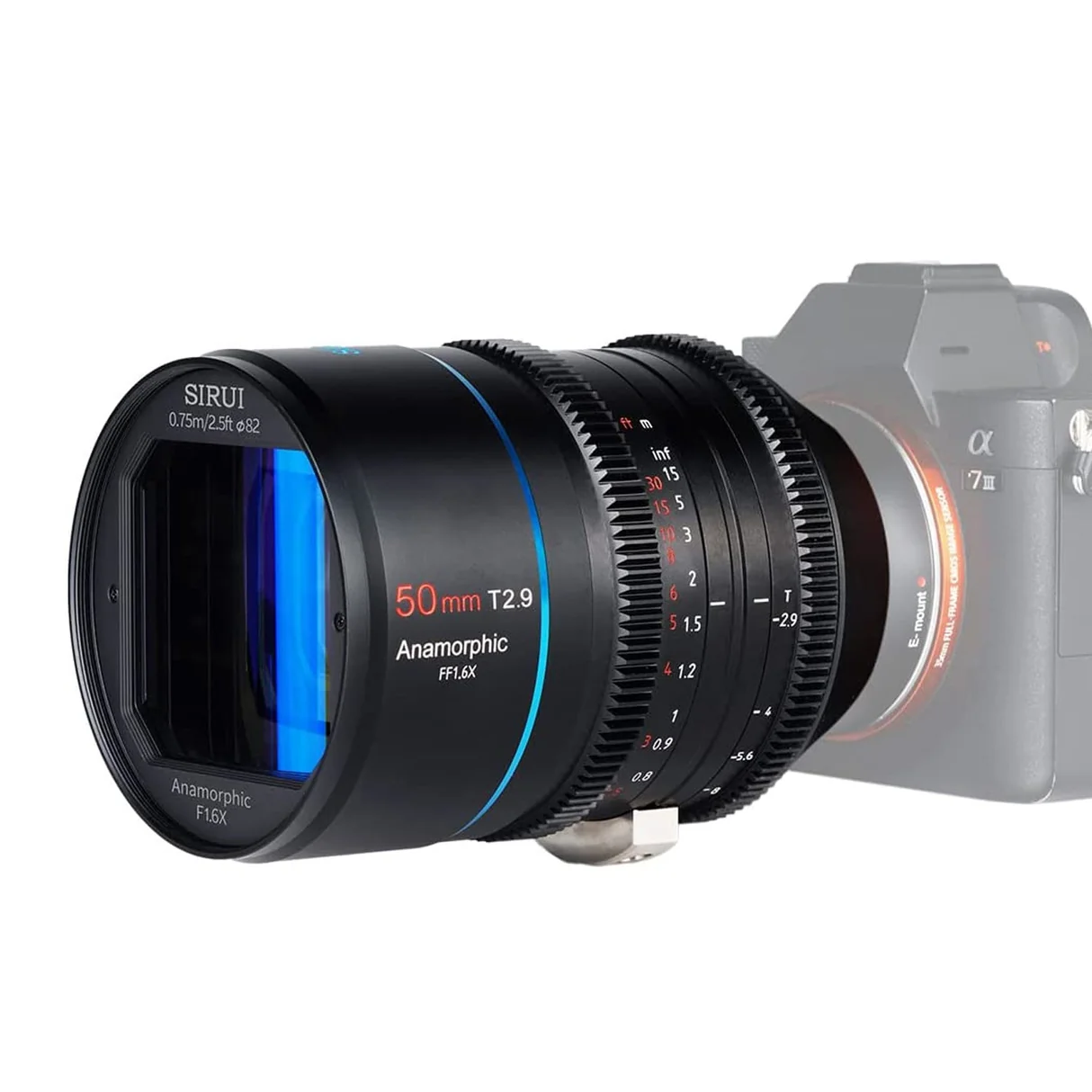
Anamorphic lenses produce a specific cinematic look that cannot be replicated by cropping, and they also impose real constraints. Understanding both makes it clear whether one belongs in your bag.
How anamorphic works
The lens squeezes a wide image horizontally onto the sensor, and the footage is unsqueezed in editing. That uses the full height of the sensor for a widescreen frame rather than cropping the top and bottom away.
A 1.33x squeeze on a 16:9 sensor gives roughly 2.39:1. A 1.8x or 2x squeeze on a 4:3 sensor area gives the classic ratio.
The look
Oval bokeh, horizontal flares, and a distinctive way the background compresses and falls off. Those are optical characteristics rather than effects, which is why filters imitating them rarely convince.
The depth of field also behaves differently, appearing shallower than a spherical lens at the same aperture and framing.
The constraints
Anamorphic lenses are heavier, slower to focus, frequently have a long minimum focus distance and are generally manual only. Close-up work is the most common frustration.
You must set the desqueeze correctly in camera or in editing, and monitoring a squeezed image takes getting used to.
Manual lenses generally
Cine lenses use geared focus and aperture rings with hard stops and consistent throw, which is what makes repeatable focus pulls possible. Photography lenses focus by wire and drift.
A follow focus and a monitor with focus peaking make manual work practical.
Do you need one
For narrative work aiming at a filmic look, it changes the image meaningfully. For documentary, events and anything fast-moving, autofocus and flexibility matter more.
Filters and support
Variable neutral density filters let you hold a wide aperture in bright light, which is how shallow depth of field is maintained outdoors. Cheap ones cause colour casts and cross-shaped banding at the extremes.
Heavier cine lenses need a lens support rod or a solid tripod, since hanging the weight off a camera mount stresses it.
Buying used
Check for fungus and haze by shining a torch through the lens, and check the focus and aperture rings move smoothly without play. Manual lenses have few electronics to fail, which makes used ones a reasonable buy.
Lens choice for video
Focal length changes the feel of a shot more than any other decision. Wider lenses exaggerate distance and suit interiors; longer lenses compress and flatter faces.
Two primes cover most narrative work better than one zoom, and they force you to move rather than to zoom.
Practical
Check the mount, the image circle against your sensor size, and the filter thread. Rent before buying, since the look is personal.
WHERE TO BUY
Ready to shop SIRUI? Use the link below to visit the official store.
→ Shop SIRUI — official site
Visit this site