
sports · Articles
Getting Started in Padel
Getting Started in Padel
 Transact Shopping
SPORT · GLOBAL
Getting Started in Padel
How it differs from tennis, choosing a racket, court shoes and avoiding injury
Padel is easier to start than tennis and harder to play well, and the equipment decisions are different enough that tennis gear does not transfer.
What makes it different
Played in doubles on an enclosed court where the walls are in play, with an underarm serve and a solid stringless racket. The walls mean rallies last far longer, which is why beginners can play properly within an hour.
Racket shape
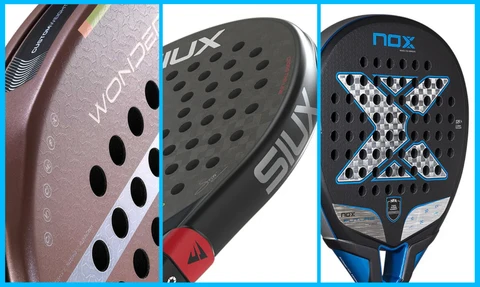
Round rackets have the sweet spot in the centre, are the most forgiving and are what beginners should buy. Teardrop shapes balance power and control. Diamond shapes put the sweet spot high for power and punish off-centre hits.
Buying a diamond racket because professionals use them is the standard beginner mistake.
Weight and balance
Around 360 to 375 grams suits most players. Lighter is easier to manoeuvre at the net; heavier gives more power and tires the arm.
Soft EVA cores are more forgiving and kinder to the elbow. Harder cores give more power and transmit more shock.
Shoes matter
Padel involves constant lateral movement and sudden stops, which running shoes are not built for and which causes ankle injuries. Look for a herringbone or omni sole designed for the surface.
This is the equipment purchase most worth getting right first.
Protecting your arm
Tennis and golfer's elbow are common in padel. A softer racket, a correct grip size, an overgrip kept fresh and proper technique all reduce load.
Persistent elbow pain needs a physiotherapist rather than a new racket.
Balls and the court
Padel balls look like tennis balls and have slightly lower pressure. Using tennis balls changes how the game plays and is not permitted in most clubs.
Balls lose pressure with use and with time in an open tube, so buy in quantity only if you play often.
Learning
A few lessons early teaches the wall shots and court positioning that are impossible to work out alone, and they are what separate rallying from playing.
Court surfaces and clubs
Most courts are artificial grass with sand infill, which affects grip and shoe wear. Indoor and outdoor courts play differently, particularly in wind and damp.
Most clubs run social sessions and ladders, which is the easiest way to find people at your level.
Looking after a racket
Use a cover, keep it out of hot cars and cold boots, and replace the overgrip regularly. Cracks in the frame or a hollow sound mean the core has failed.
Practical
Use a wrist cord, which is compulsory in most clubs, and warm up properly, particularly the shoulders and ankles.
WHERE TO BUY
Ready to shop Padel Market? Use the link below to visit the official store.
→ Shop Padel Market — official site
Visit this site