
health · Articles
Energy Drinks and Caffeine Limits
Energy Drinks and Caffeine Limits
 Transact Shopping
HEALTH · UNITED STATES
Energy Drinks and Caffeine Limits
How much caffeine is safe, what else is in them, who should avoid them and sleep
Energy drinks are a caffeine delivery product with other ingredients around it, and the useful question is how much caffeine you are getting in total.
How much is reasonable
Food safety authorities generally consider up to around 400 milligrams a day acceptable for most healthy adults, and up to around 200 milligrams in a single dose. That is roughly four cups of coffee.
A single can commonly contains between 80 and 200 milligrams, and larger cans more. Count coffee, tea, cola and pre-workout supplements towards the same total.
Who should avoid them
Anyone pregnant or breastfeeding, where the advised limit is far lower — around 200 milligrams a day. Children and adolescents, for whom no safe level is established and several countries restrict sales.
Anyone with a heart condition, arrhythmia, high blood pressure or anxiety should speak to a doctor.
What else is in them
Taurine, B vitamins, amino acids and nootropic ingredients appear in varying amounts. Evidence for these adding much beyond the caffeine is limited, and L-theanine with caffeine has the most support for attention.
Check the sugar per 100ml, which in some drinks is substantial, and note that these are acidic and erode enamel when sipped through the day.
Sleep
Caffeine has a half-life of around five hours, so an afternoon can is still working at bedtime. Poor sleep then increases the perceived need for more, which is the cycle.
What actually helps energy
Sleep, regular meals, hydration and movement. Caffeine borrows alertness rather than creating it, which is why the afternoon crash follows and why tolerance builds within weeks.
Cycling off caffeine periodically restores the effect, and withdrawal headaches last a few days.
Reading the label
Check caffeine in milligrams per can rather than per 100ml, and check the serving size, since some large cans contain two servings.
Teeth
These drinks are acidic regardless of sugar content. Drink them with a meal rather than sipping through the day, and wait an hour before brushing.
Children and teenagers
Several countries restrict sales of high-caffeine energy drinks to under-sixteens, and health bodies advise against them for children entirely. The combination of caffeine and sugar affects sleep, concentration and dental health.
Water and food are the answer for tired teenagers, alongside earlier bedtimes.
Alternatives
Coffee or tea gives the same caffeine without the sugar or the acidity and costs far less. A glass of water and ten minutes outside deals with a surprising proportion of afternoon tiredness.
Persistent fatigue that sleep does not fix warrants seeing a doctor rather than more caffeine.
Alcohol
Mixing caffeine with alcohol masks intoxication without reducing impairment.
WHERE TO BUY
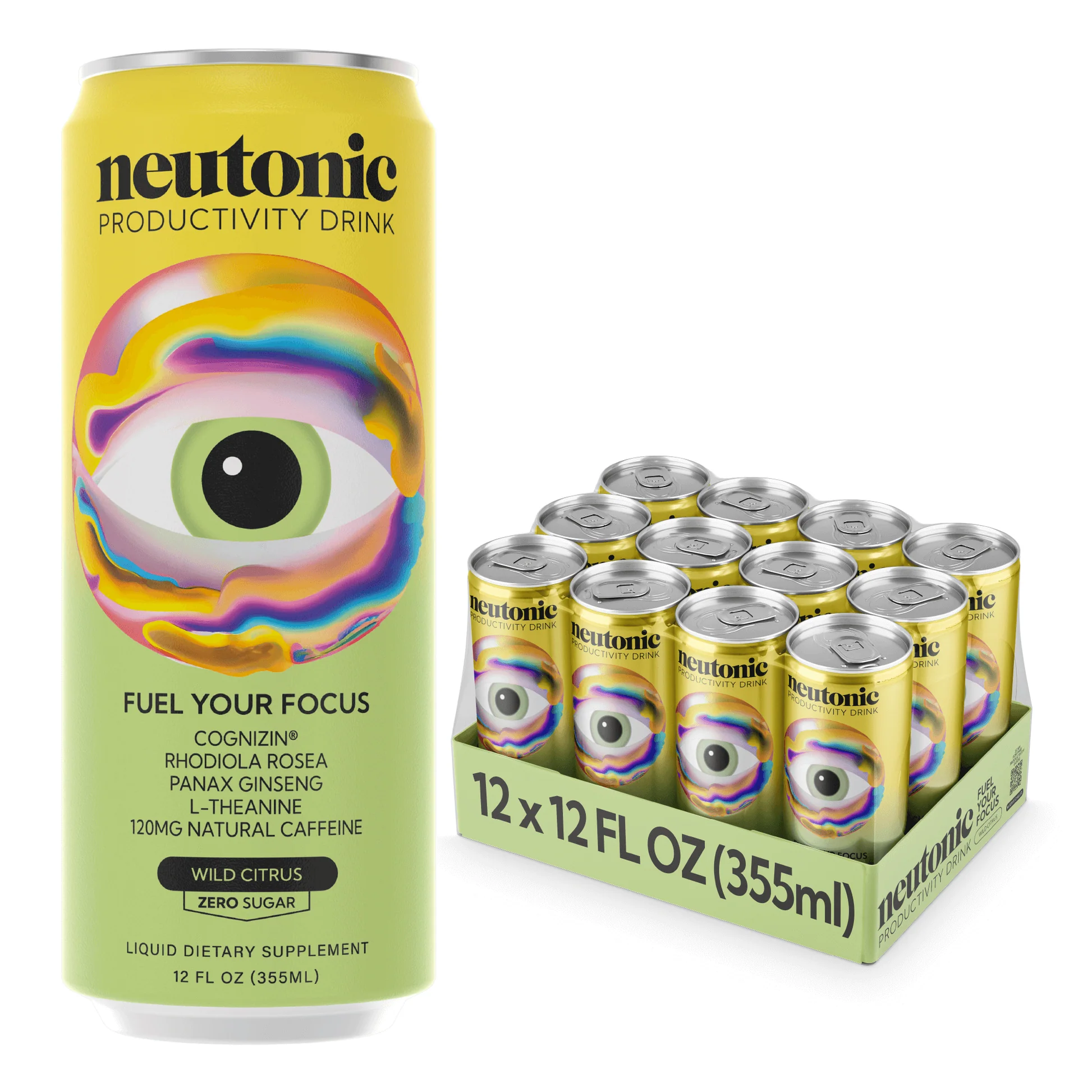
Ready to shop Neutonic? Use the link below to visit the official store.
→ Shop Neutonic — official site
Visit this site