
home · Articles
Setting Up a Home Workshop
Setting Up a Home Workshop
 Transact Shopping
TOOLS · GLOBAL
Setting Up a Home Workshop
The hand tools worth owning, workbench and storage, and working safely alone
A workshop is built over years and the useful starting point is smaller than most people expect. Good hand tools outlast several generations of power tools.
The hand tools that earn their place
A decent hammer, a set of screwdrivers with hardened tips, adjustable and combination spanners, pliers and side cutters, a sharp utility knife with spare blades, and a quality tape measure.
Add a combination square, a spirit level and clamps. Clamps are the tool people own too few of, and they are what lets one person do a two-person job.
Measuring and marking
A digital caliper costs very little and is the most useful precision tool for a home workshop. A marking knife gives a far more accurate line than a pencil for joinery.
The bench
A solid bench at the right height is worth more than any single tool. Around waist height suits general work; lower suits planing and hand tools.
A vice bolted properly to a heavy bench changes what is possible. A folding bench is a reasonable compromise in a shared garage.
Storage
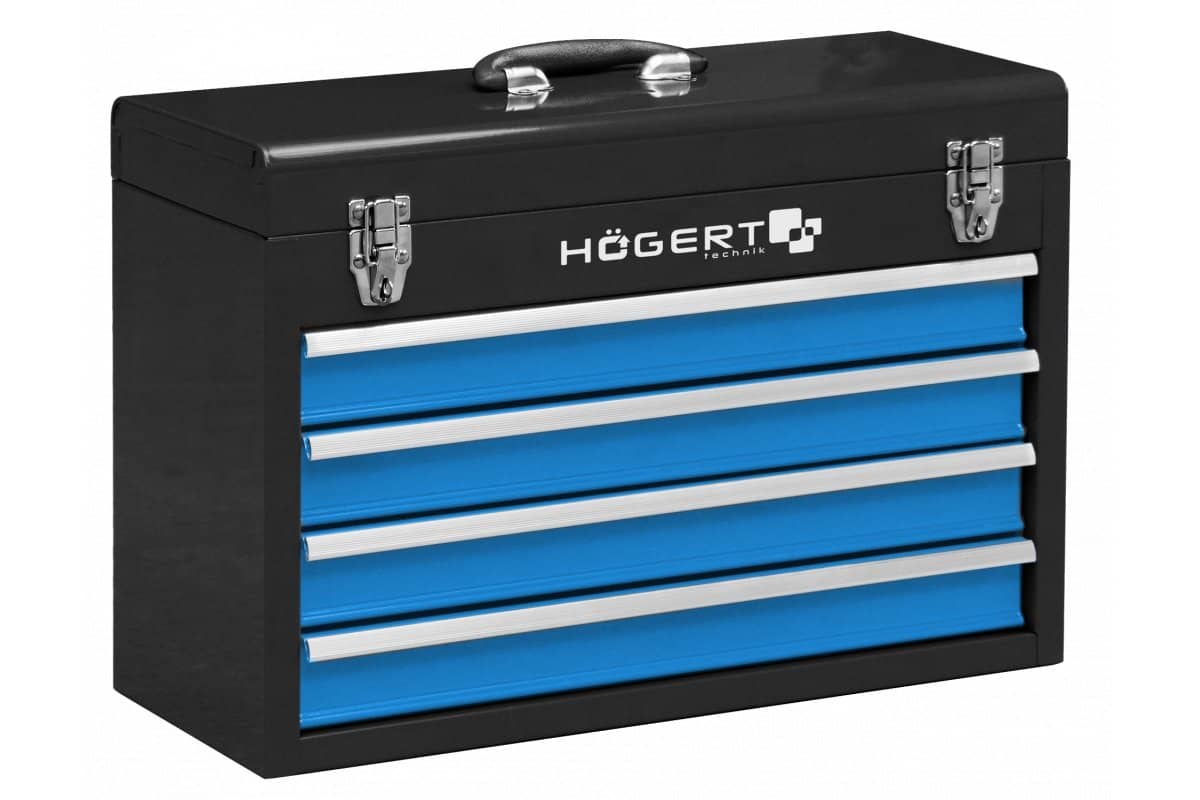
A shadow board or labelled drawers rather than a single toolbox. The time lost hunting for a tool is what stops small jobs getting done.
Keep fixings sorted in a labelled organiser and keep a small stock of common sizes.
Light and power
Good lighting prevents more mistakes than any tool. Fit sockets at bench height, use a residual current device on anything portable, and unwind extension reels fully before drawing load.
Buying quality selectively
Spend on tools you use often and on anything where failure is dangerous or ruins work — measuring tools, cutting edges, ladders. Buy cheaply for things used once a year.
Good hand tools hold value and can be bought second-hand, since steel does not wear out on a home bench.
Sharpening
A sharp chisel or plane iron is the difference between joinery being pleasant and being impossible. Learning to sharpen is a more useful skill than owning more tools.
Ladders and working at height
Falls from height are the most common serious injury in home DIY. Use a ladder at roughly a 75 degree angle, keep three points of contact and never stand on the top steps.
A hop-up or a small platform is safer than a ladder for most indoor work and is far less tiring.
Working alone
Tell someone what you are doing and keep a phone within reach. Most serious injuries at home happen to people working alone with nobody to call.
Eye protection for anything that cuts, drills or strikes, hearing protection for anything loud, and a mask rated for the dust.
WHERE TO BUY
Ready to shop Heimwerkertools? Use the link below to visit the official store.
→ Shop Heimwerkertools — official site
Visit this site